
Plants
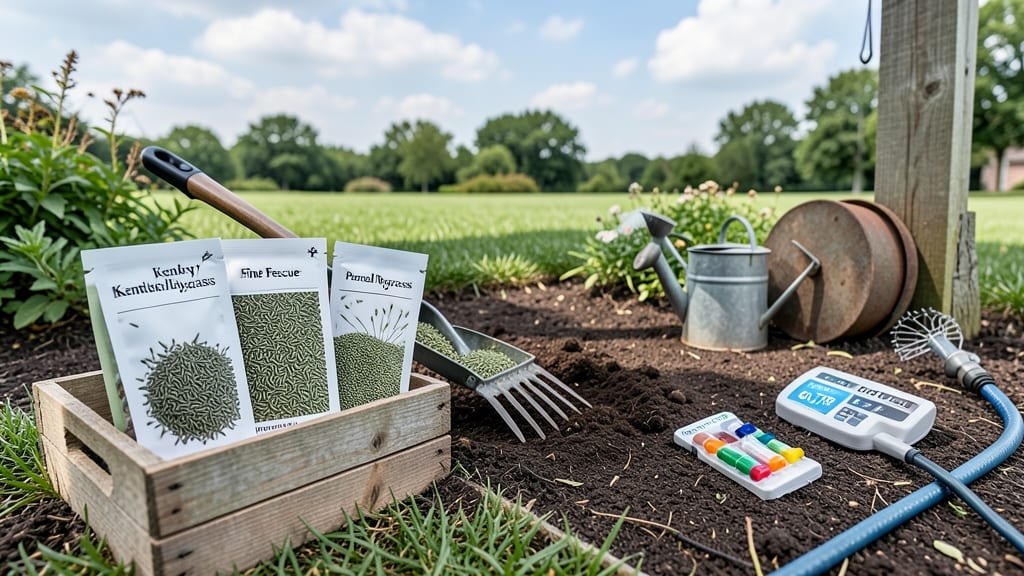
Planting grass seed in Rhode Island at the right time means the difference between a lush, green lawn and a patchy, weedy mess that never takes hold.
Rhode Island’s unpredictable spring weather can turn a perfect grass-seeding plan into a frustrating gamble—unless you follow the exact timing for Zone 6B’s climate.
Too early, and frost will kill your seeds before they sprout. Too late, and weeds will steal your lawn’s spotlight, leaving you chasing a dream instead of enjoying your yard.
Here’s the science-backed schedule to ensure your 🌱 grass thrives from seed, including the best months, soil prep tips, and how to outsmart Rhode Island’s coastal and inland microclimates.
Best planting windows for Rhode Island grass seed (zone 6B)
Rhode Island’s Zone 6B climate means your grass seed timing must account for unpredictable frost and coastal microclimates. Unlike warmer zones, RI’s last frost date typically lands around April 15, but coastal areas like Newport can see frost as late as May 1.
Warm-season grasses like Zoysia thrive in summer heat, while cool-season grasses (Kentucky bluegrass, fescue) need early spring or fall planting.
Soil temperature is your #1 timing indicator. For cool-season grasses, aim for soil temps between 50°F and 65°F—ideal for germination without overheating. Warm-season grasses need soil temps above 65°F to sprout successfully. Use a soil thermometer (or check local RI weather stations) to avoid costly mistakes.
Here’s the golden rule for Rhode Island: Plant cool-season grasses 2-3 weeks after your last frost and warm-season grasses after Memorial Day. Coastal areas (like Block Island) may need a 2-week delay due to cooler ocean breezes.
🌱
| Planting Window | Grass Type | Soil Temp (°F) | RI Microclimate Notes | Key Action |
|---|---|---|---|---|
| Early Spring (Feb-March) | Cool-Season (Kentucky Bluegrass, Fescue) | 50-60°F | Inland areas only; coastal too cold | Test soil moisture weekly |
| Late Spring (April-May) | Cool-Season (Perennial Ryegrass) | 60-65°F | Safe for coastal RI after May 1 | Apply starter fertilizer |
| Late Summer (June-July) | Warm-Season (Zoysia, Bermuda) | 65-75°F | Best for inland heat; coastal too humid | Water deeply at dusk |
| Fall (September-October) | Cool-Season (All Types) | 50-60°F | Best window for coastal RI | Avoid planting after Oct 15 |
Fall planting in September-October is often the most successful window for Rhode Island lawns. By this time, summer heat has passed, and weeds are less competitive. Aim to finish planting by October 15 to allow roots to establish before first frost.
Coastal areas benefit from this timing due to milder ocean temperatures extending the growing season.
If you’re planting warm-season grasses like Zoysia or Bermuda, wait until after Memorial Day (mid-May) when soil temps consistently stay above 65°F. These grasses struggle in cool soil and may rot. Inland areas (like Providence) can plant earlier than coastal regions due to warmer microclimates.
Pro tip: Use mulch mats after seeding to protect young grass from late spring frosts. These mats create a 5°F warmer microclimate under the soil surface, accelerating germination. Remove them once grass reaches 2-3 inches tall to avoid smothering.
For overseeding existing lawns, choose late summer (August) when established grass is heat-stressed and new seeds can compete. Water deeply twice daily for the first 2 weeks to keep soil moist but not waterlogged.
🌿
Rhode Island’s salty coastal soils (especially near Narragansett Bay) require extra attention. Flush the area with freshwater after seeding to remove salt buildup, which can inhibit germination. Inland areas with clay-heavy soil should amend with compost or sand before planting to improve drainage.
Monitor your lawn’s progress with a germination tracker: Mark seed packets with dates and track sprouting times. Cool-season grasses typically sprout in 7-14 days, while warm-season grasses take 14-21 days. Adjust watering based on your observations—overwatering is worse than underwatering for young grass.
✂️
How to prepare your Rhode Island lawn for grass seed success
Rhode Island’s clay-heavy soils and salty coastal areas create unique challenges for grass seed germination. Without proper prep, your 🌱 seeds may struggle to establish roots, leaving you with thin patches instead of a lush lawn. The key is creating the ideal seedbed—one that balances drainage, nutrients, and moisture retention.
Start by testing your soil pH with a home kit or local extension service. Rhode Island’s soils often test acidic (pH 5.0-6.0), which can stunt grass growth.
Aim for a pH of 6.0-7.0 by adding pelletized lime if needed. Coastal areas may require extra attention due to salt buildup from road treatments or ocean spray.
⚠️ WARNING: Common Mistake in RI Lawn Prep ⚠️
After aerating, spread a 1/2-inch layer of compost or well-rotted manure across your lawn. Work it lightly into the top 1/4 inch of soil using a rake with wide tines. This adds organic matter that helps sandy soils hold moisture while improving clay soil’s drainage. For coastal properties, rinse the lawn with fresh water after composting to remove residual salt.
Weed control is critical in Rhode Island’s damp climate. Apply a pre-emergent herbicide designed for new lawns 1-2 weeks before seeding, then spot-treat any remaining weeds with a vinegar-based solution (for organic gardens). Avoid post-emergent herbicides until your grass reaches 3 inches tall—they’ll kill your new seedlings too.
For irrigation, set up a light sprinkler system that delivers 1/4 inch of water daily for the first 2 weeks after planting. Rhode Island’s morning fog can create surface moisture, so check soil dampness with your finger—top 1/2 inch should stay consistently moist.
In coastal areas, water in early morning to prevent salt accumulation from evening dew.
Finally, choose the right tools: a bowl seeder for even distribution, a stiff-bristle rake to cover seeds lightly, and a rolling lawn marker to keep foot traffic off fresh seed. Mulch seeds with straw (not hay) to retain moisture and deter birds—especially important in Rhode Island’s windy coastal regions.