
Lawn
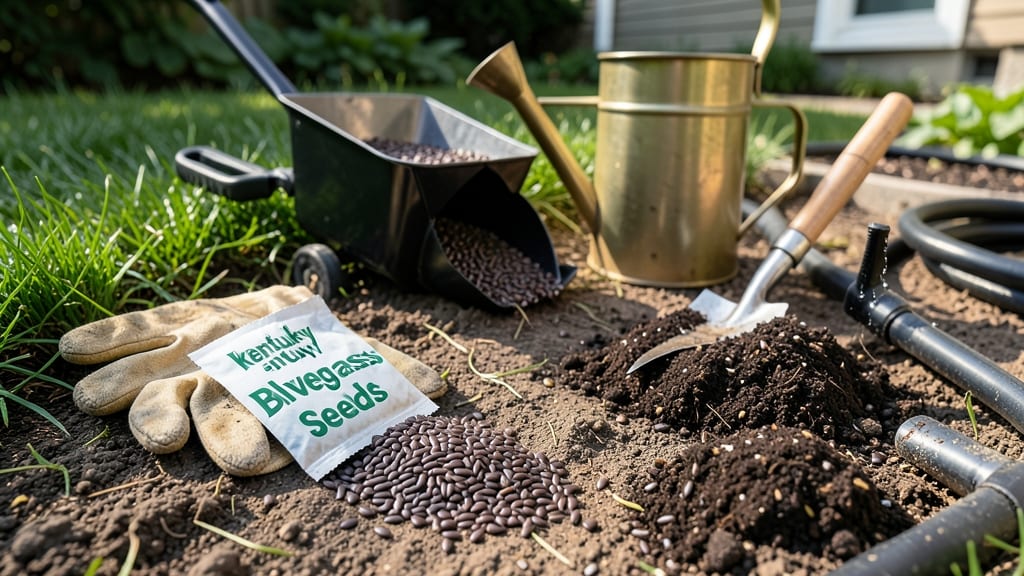
Autumn is the secret weapon for a lawn so thick weeds can't get a foothold. 🌱 I've planted grass seed in every season, and fall always delivers the most reliable, lush results—because cooler temps and consistent moisture give seedlings the perfect head start before winter dormancy.
The key? Timing it right, prepping the soil, and keeping watering consistent as temperatures drop.
Most gardeners miss the ideal window—planting after the first frost or when soil temps drop below 60°F. That's when weeds slow down but your grass still has 6-8 weeks of warm days to establish roots.
You'll need a rake, compost, and a sprinkler, but the investment pays off with a lawn that greens up faster in spring than any spring-planted patch.
By frost, you'll have a dense turf that crowds out weeds naturally. The secret lies in watering deeply twice a day for the first two weeks, then backing off to once daily as roots grow.
I've seen lawns go from bare soil to football-field green by Thanksgiving with this method—no magic, just science.
Works best in zones 3-9, but even in warmer climates, fall planting beats spring. The only rule? Don't plant when frost is forecast. Let's get that seed in the ground while the weather cooperates.
📚 In This Guide
- What you need
- Instructions
- Tips and common mistakes
- Wrapping up and next steps
What you need
- ● High-quality grass seed: Choose a cool-season variety (e.g., Kentucky bluegrass, fescue, or ryegrass) for autumn planting. Aim for 5–10 lbs per 1,000 sq ft, depending on your lawn’s needs.
- ● Lawn fertilizer: A starter fertilizer (e.g., 20-20-5 or 16-16-8) with slow-release nitrogen (1 lb nitrogen per 1,000 sq ft).
- ● Soil tester kit: Check pH (ideal: 6.0–7.0) and adjust with lime (if pH ) or sulfur (if pH > 7.0).
- ● Rake: A bow rake (for roughing up soil) and a garden rake (for leveling).
- ● Broadcast spreader: Ensures even seed distribution (manual or drop-type).
- ● Watering tools: Hose with a soaker nozzle or sprinkler (light, frequent watering is key!).
- ● Measuring cup or rain gauge (target ¼ inch of water/day for 2–3 weeks).
- ○ Mulching material (optional but helpful): Straw or peat moss (¼ inch thick) to retain moisture and protect seeds.
- ● Pre-emergent herbicide: Apply after seeding to block weeds (follow label timing!).
- ● Lawn roller: Lightly press seeds into soil (5–10 lbs pressure) for better contact.
- ● Soil conditioner: Compost or topsoil (if your lawn has thin or bare patches).
- ● Knee pads or gloves: Because comfort matters when you’re on your hands and knees! 😉
Step-by-step instructions for planting grass seed in autumn
Here’s how to establish a lush, weed-resistant lawn before winter sets in.
🪴 Step 1: Prepare the Soil for Optimal Seed Contact
Start by removing any existing weeds or debris from the area using a rake. Loosen the top 2-3 inches of soil with a garden fork or tiller to create a seedbed that’s crumbly and free of clumps. This ensures good seed-to-soil contact, which is critical for even germination. If your soil is heavy clay, mix in 2-3 inches of compost to improve drainage and fertility.
Work the soil when it’s slightly moist—dry soil will clump, while soggy soil compacts. A simple test: squeeze a handful—if it holds shape but crumbles when you poke it, it’s ready. Avoid tilling if the ground is frozen or waterlogged, as this can damage soil structure.
☀️ Step 2: Choose the Right Grass Seed for Your Climate
Select a cool-season grass seed blend suited to your region, such as tall fescue, Kentucky bluegrass, or perennial ryegrass, which thrive when planted in autumn. These varieties establish strong roots before winter dormancy, giving you a head start in spring. Avoid warm-season grasses like Bermuda or Zoysia—they struggle in cooler months.
For best results, use 4-6 pounds of seed per 1,000 square feet, depending on the seed mix’s coverage rate. Spread the seed evenly by hand or with a broadcast spreader, working in two perpendicular directions to avoid gaps. Lightly rake the area to press seeds into the soil without burying them deeper than ¼ inch—too deep, and they won’t sprout.
💧 Step 3: Water Gently but Frequently for Germination
Keep the soil consistently moist for the first 2-3 weeks after planting, which is when seeds germinate. Water lightly 2-3 times daily—just enough to dampen the top ½ inch of soil—using a sprinkler or hose with a gentle mist setting. Overwatering can wash seeds away, while underwatering causes them to dry out. Aim for soil that feels like a wrung-out sponge: damp but not soggy.
Once the grass reaches 2-3 inches tall, reduce watering to 1 inch per week, including rainfall. This encourages deeper root growth. Avoid walking on the lawn until the grass is fully established—typically after 4-6 weeks—to prevent damaging tender seedlings.
✂️ Step 4: Fertilize and Maintain for a Thick Lawn
Apply a starter fertilizer with a balanced NPK ratio (e.g., 10-10-10) at half the recommended rate right after planting to provide essential nutrients without burning young roots. Follow up with a low-nitrogen, slow-release fertilizer in early spring to support steady growth. Avoid high-nitrogen fertilizers in autumn, as they promote tender growth that’s vulnerable to frost.
Once the grass reaches 3-4 inches tall, mow it to 3-4 inches height to encourage a dense root system and crowd out weeds. Keep your mower blade sharp to avoid tearing grass blades, which can invite disease. If weeds appear, pull them by hand or spot-treat with a pre-emergent herbicide in early spring before they take hold.
🌱 Step 5: Protect New Growth Through Winter
In late autumn, apply a thin layer of straw mulch (¼ inch) to shield seeds and young grass from harsh winds and freezing temperatures. Remove the mulch in early spring once growth resumes. Avoid heavy mulch, which can smother seedlings or attract pests. If your area experiences heavy snowfall, brush off accumulated snow to prevent compaction and allow sunlight to reach the grass.
By late spring, your lawn should be thick and uniform, with minimal weeds. If you notice bare patches, overseed those areas in early autumn the following year to maintain density. With proper care, your autumn-planted lawn will outperform spring plantings by establishing deeper roots and better resilience.
Tips & tricks for planting grass seed in autumn
Here's what nobody tells you about getting that perfect autumn lawn—these tricks make all the difference.
Soil Prep Secret: After loosening the top 2-3 inches of soil, run a leveling rake to create a smooth surface. This prevents water pooling and ensures even seed distribution. I've seen uneven lawns from missed leveling—it's an easy fix that prevents headaches later. For clay-heavy soil, work in compost while the soil is still slightly moist to help it blend evenly.
Seed Spread Strategy: When using a broadcast spreader, walk in a crisscross pattern—first north to south, then east to west—to avoid missing spots. For smaller areas, use your hand to spread seed along edges where the spreader can't reach. The goal is to use exactly 4-6 pounds per 1,000 square feet without overlapping, which can bury seeds too deeply.
Watering Timing Tip: Those first 2-3 weeks of watering are critical—set a timer for your sprinkler to run for 10 minutes every 8 hours. Morning watering (before 10am) prevents fungal growth, while evening watering can leave seeds damp overnight. Use a rain gauge to track your ½-inch-per-watering goal; most sprinklers overestimate coverage.
Frost Protection Hack: In late autumn, after applying your ¼-inch straw mulch, sprinkle a thin layer of peat moss over the mulch. This adds extra insulation while preventing the mulch from blowing away. I've found that areas with peat moss survive early frosts better, giving your grass a better chance to establish before winter dormancy.
Pro Tips for Planting Grass Seed In Autumn
- Here's what nobody tells you about getting that perfect autumn lawn—these tricks make all the difference.
- Soil Prep Secret: After loosening the top 2-3 inches of soil, run a leveling rake to create a smooth surface. This pr...
- Seed Spread Strategy: When using a broadcast spreader, walk in a crisscross pattern—first north to south, then east t...
Frequently asked questions
Got questions about autumn grass seeding?
You’re not alone! Here are answers to the most common concerns—so you can plant with confidence and avoid costly mistakes.
When is the exact best time to plant grass seed in autumn?
The ideal window is 4–6 weeks before your first hard frost (typically late September to early November in most U.S. zones). This gives seedlings time to establish roots before winter dormancy. Check your local frost dates—cool temps (50–65°F) and consistent moisture are key!
Will grass seed still grow if planted after the first frost?
Maybe, but it’s risky. Frost can kill young seedlings, and cold soil slows germination. If you must plant late, use winter-hardy varieties (like ryegrass) and protect seedlings with straw mulch. Better to wait for spring if frost is imminent!
Can I skip overseeding and just aerate my lawn instead?
Aeration alone won’t fill bare spots—it just loosens soil for better seed contact. For thin lawns, combine aeration + seeding (and topdress with compost) for the best results. Think of it like giving your lawn a "root canal" and a vitamin shot!
How do I keep pests (like voles or birds) from eating my new grass seed?
Use seed starter fertilizer with a deterrent (like corn gluten meal) and cover seeds lightly with straw or peat moss. For rodents, sprinkle hot pepper flakes around the perimeter—it’s safe and effective! Water gently to avoid washing seed away.
What if it rains too much after planting?
Overwatering can suffocate seeds or cause erosion. Aim for ¼-inch of water daily (via sprinkler or rain gauge), and avoid heavy foot traffic. If downpours are forecast, pre-wet the soil first to help seeds settle. A tarp over the area can also shield seeds temporarily.
Can I use last year’s leftover grass seed?
Only if stored properly in a cool, dry place (like a sealed container). Seed loses viability over time—check the bag for a germination rate (aim for >80%). If unsure, test a small patch or buy fresh seed for guaranteed results.
Wrapping up and next steps
Autumn is your secret weapon for a lush, resilient lawn—cool temps and frequent rain create the perfect conditions for grass seed to thrive!
By choosing the right seed, prepping your soil, and following a few key steps, you’ll outsmart weeds and build a thick turf that stands strong through winter. 🌱
Ready to take the next step? Grab your gloves, pick a seed blend suited to your climate, and start planting before the first frost! Your future lawn will thank you—one seed at a time.