
Planting
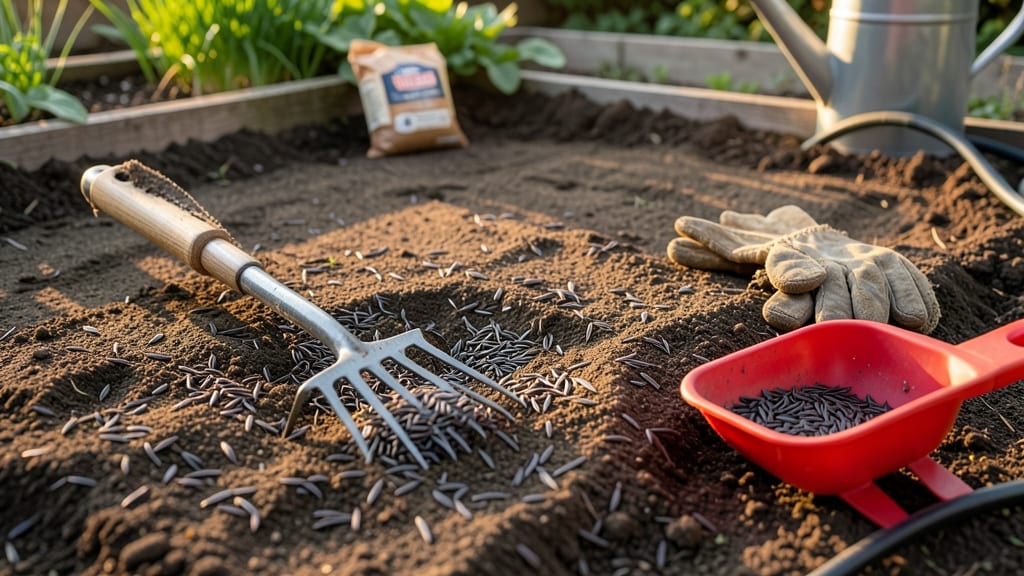
Planting grass seed in spring is all about timing—wait until soil temps hit 50°F and weeds are still manageable. 🌱 I’ve learned the hard way that rushing leads to patchy lawns or seeds washing away.
The key is matching your zone to the right window: Northern gardeners aim for late April to early May, while Southern zones can start as early as February. Soil prep makes all the difference. Test your soil first—pH between 6.0 and 7.5 is ideal—and clear weeds before seeding.
I swear by a pre-emergent herbicide for stubborn crabgrass, but organic options like corn gluten work too. The goal? A clean slate for your grass to take hold. Once seeded, keep soil moist but not soggy for the first 2-3 weeks.
You’ll see sprouts in 7-21 days, depending on the grass type. Tall fescue and Kentucky bluegrass are my go-tos for durability—they outcompete weeds once established. For Southern Hemisphere friends, flip the seasons: Plant in September-October when temps drop. And remember, patience pays off—thin spots disappear as roots deepen.
Happy seeding!
📚 In This Guide
- What you need
- Instructions
- Tips and common mistakes
- Wrapping up and next steps
What you need
- ● Grass seed: Choose a weed-resistant variety suited to your USDA hardiness zone (e.g., tall fescue for cool zones, Bermuda for warm). Quantity: ~5 lbs per 1,000 sq ft (follow package instructions for exact rates).
- ● Lawn soil tester kit: To check pH (ideal: 6.0–7.0) and adjust with lime or sulfur if needed.
- ● Rake: A bow rake (for leveling) and a garden rake (for removing debris).
- ● Lawn roller: 50–100 lb capacity to press seed into soil (rent or buy).
- ● Watering system: Hose with a sprinkler head or soaker hoses for gentle, even watering.
- ○ Mulch or starter fertilizer: Optional but helpful—compost or peat moss (¼ inch layer) to retain moisture, or a slow-release fertilizer (e.g., 10-10-10).
- ● Pre-emergent herbicide: Apply after seeding to block weeds (follow label timing!).
- ● Seed spreader: Broadcast spreader for large areas (saves time and ensures even coverage).
- ● Lawn thermometer: To monitor soil temps (ideal seeding range: 55–65°F).
- ● Erosion control blanket: For sloped areas to prevent seed washout.
- ● Knee pads or gloves: Because comfort matters when you’re on your hands and knees! 😉
Step-by-step instructions for planting grass seed in spring
Timing is everything—here's how to plant your spring lawn for thick, weed-resistant growth.
☀️ Step 1: Wait for the Right Soil Temperature
Spring planting success starts with soil that's at least 55°F at a 4-inch depth. This usually happens 2-4 weeks after your last frost date, but check with your local extension office for zone-specific timing. Cold soil slows germination and invites rot.
Test your soil by pressing your finger into the ground—if it feels cool to the touch but not icy, it's ready. In cooler zones (3-5), aim for early May; in warmer zones (6-10), late March or early April works. Watch for morning frost warnings—planting too early risks killing tender seedlings.
🌱 Step 2: Prepare the Soil Thoroughly
Clear debris and loosen the top 4-6 inches of soil using a rake or tiller. Break up compacted areas where water pools—this prevents future bare spots. For new lawns, remove all existing grass and weeds by hand or with a non-selective herbicide 4-6 weeks before planting.
Level the ground with a lawn roller or by hand, then spread 10-20 pounds of 10-10-10 fertilizer per 1,000 sq ft (use the exact amount from your materials). Work it into the top inch of soil to give seedlings an immediate nutrient boost. The goal is a fine, crumbly texture—not powdery, not compacted.
💧 Step 3: Spread Seed Evenly and Lightly
Use a broadcast spreader for large areas or a hand spreader for small patches. Walk in opposite directions to ensure even coverage—aim for 8-12 pounds of seed per 1,000 sq ft (follow your seed bag's recommendations). Over-seeding wastes money and creates thick mats that smother soil contact.
Lightly rake the area with a leaf rake to press seeds into the soil just enough to cover them. You should still see individual seeds—this ensures good soil contact for germination. For slopes, plant across the grade (perpendicular to the slope) to prevent seeds from washing away.
⏰ Step 4: Water Immediately and Maintain Moisture
Water the area lightly but thoroughly right after planting to settle the seeds. Keep the top 1-2 inches of soil consistently moist (like a wrung-out sponge) for the first 2-3 weeks. This encourages even germination and prevents seed desiccation.
Water twice daily—once in early morning and once in late afternoon—for the first week. Use a gentle sprinkler or soaker hose to avoid displacing seeds. You'll see sprouts in 7-21 days, depending on temperature. Once seedlings reach 2-3 inches tall, gradually reduce watering to 1 inch per week.
🌿 Step 5: Protect New Growth and Mow at the Right Time
Wait until new grass reaches 3-4 inches tall before mowing—this usually takes 4-6 weeks. Set your mower blade to 3-4 inches to encourage deep root growth. Never remove more than 1/3 of the blade height at a time, or you'll stress the lawn.
Keep foot traffic to a minimum for the first 6-8 weeks. If weeds sprout, hand-pull them immediately—they'll steal nutrients from tender grass. After the first mow, apply a slow-release nitrogen fertilizer to support steady growth. Your lawn will thicken enough to crowd out weeds naturally within 8-12 weeks.
Tips & tricks for perfect spring lawn planting
Here's what we've learned the hard way about getting your spring lawn off to the strongest start possible.
Soil Temperature Secret: That 55°F soil temperature isn't just a number—it's the magic threshold where seeds wake up from dormancy. I learned this the hard way after planting too early in chilly zones. Use a soil thermometer if you're unsure, or press your finger in: if it feels cool but not icy, you're good to go. In cooler zones (3-5), wait until early May unless you have a heated seedbed. The difference between 50°F and 55°F can mean the difference between germination and rot.
Preparation Payoff: Don't skip the 4-6 weeks of herbicide treatment if you're starting fresh. Weeds steal nutrients and shade out seedlings, and once they're established, they're nearly impossible to remove without harming your new grass. For existing lawns, focus on those compacted areas where water pools—those spots often become bare because seeds can't establish properly there. A simple test: if water sits for more than 10 minutes after rain, you need to break up that compaction.
Seed Spreading Strategy: Walking in opposite directions with your spreader isn't just about coverage—it's about creating a natural, even pattern that mimics how seeds disperse naturally. For slopes, planting across the grade (perpendicular to the slope) is crucial. I've seen too many seeds wash away when planted downhill. After spreading, do the "seed visibility test": you should still see individual seeds peeking through. If you can't see any, you've buried them too deep—they won't have enough energy to push through the soil.
Watering Wisdom: Those first 2-3 weeks of twice-daily watering are critical, but timing matters just as much as frequency. Early morning watering gives seeds time to absorb moisture before the sun evaporates it, while late afternoon watering prevents fungal growth that thrives in evening dampness. Use a gentle rain nozzle or soaker hose—forceful sprinklers can dislodge seeds. And here's a pro move: water until you see moisture 1-2 inches deep. The soil should feel like a wrung-out sponge, not a soggy washcloth.
Pro Tips for When Plant Grass Seed In Spring
- Here's what we've learned the hard way about getting your spring lawn off to the strongest start possible.
- Soil Temperature Secret: That 55°F soil temperature isn't just a number—it's the magic threshold where seeds wake up from dormancy.
- Preparation Payoff: Don't skip the 4-6 weeks of herbicide treatment if you're starting fresh.
Frequently asked questions
Got questions about planting grass seed in spring? You’re not alone! Here are answers to the most common concerns to help you grow a lush, weed-resistant lawn with confidence.
What’s the best time to plant grass seed in spring by USDA zone?
The ideal window is after the last frost when soil temps hit 55–65°F (13–18°C). For cooler zones (3–5), aim for early to mid-spring (March–April). Warmer zones (6–10) can start as early as February, but avoid planting if summer heat is imminent. Check your zone’s local frost dates for precision!
How long does it take for grass seed to germinate in spring?
Germination time varies by type:
- Cool-season grasses (e.g., Kentucky bluegrass, fescue): 7–21 days
- Warm-season grasses (e.g., Bermuda, Zoysia): 10–30 days
Can I overseed an existing lawn in spring, or should I start fresh?
Overseeding is a great option if your lawn has thin patches or weeds! Choose a drought-resistant variety like tall fescue or perennial ryegrass. Rake bare spots lightly, spread seed, and top with a thin layer of compost. For completely bare areas, till the soil first to improve seed-to-soil contact.
How do I prevent weeds from taking over my new grass?
Weeds thrive in bare soil, so act fast:
- Apply a pre-emergent herbicide before weeds sprout (check label timing).
- Use mulch or straw to block sunlight from weed seeds.
- Keep grass taller (3–4 inches) to shade out weeds naturally.
Should I water my grass seed every day in spring?
Yes—but lightly and frequently! Aim for ¼–½ inch of water daily (morning is best) to keep the top inch of soil moist. Avoid deep watering, which can wash away seed. Once seedlings are 2 inches tall, gradually reduce to 1 inch per week. A sprinkler timer makes this easy!
What do I do if my grass seed isn’t growing after 3 weeks?
Don’t panic! Check these fixes:
Soil too dry? Water deeply and recheck moisture.
Too hot/cold? Adjust planting time or use shade cloth.
Birds or critters eating seed? Try a lightweight netting or reapply seed.
Poor soil contact? Lightly rake and reseed bare spots.
If issues persist, test your soil’s pH (6.0–7.0 ideal) or call a local extension office for help.Wrapping up and next steps
Spring is the perfect time to transform your lawn into a lush, weed-resistant oasis—and you’ve got all the tools to make it happen! 🌱 By following the right planting timeline for your zone, prepping the soil, and choosing the best grass seed, you’re setting your lawn up for success. Now’s the moment to roll up your sleeves and get growing!
Ready to take the next step? Start by marking your calendar for your zone’s ideal planting window, then gather your supplies and dive in. Before you know it, you’ll be enjoying a vibrant, healthy lawn all season long!