
Propagation
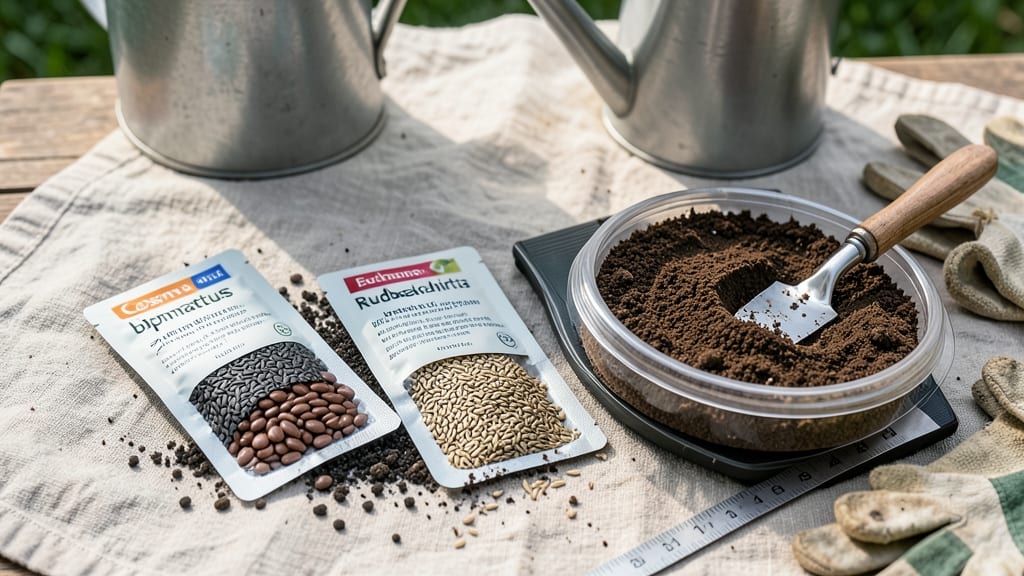
The wildflower seed germination time takes anywhere from 3 days to 6 weeks—depending on the species and your climate zone. 🌱 I’ve watched delicate bluebonnets push through soil in just 5 days while stubborn coreopsis took nearly a month, and knowing this window makes all the difference between success and frustration.
Most wildflowers need consistent moisture and soil temps between 60-75°F to germinate, which is why spring and fall planting work best in most zones.
Cold stratification (a simple fridge trick) can cut germination time in half for tough seeds like black-eyed Susans, while scarification (lightly sanding the seed coat) helps speed up slower bloomers.
Once those first tiny leaves appear, keep soil lightly moist but not soggy—overwatering drowns delicate sprouts. Within 2-4 weeks of germination, you’ll see true leaves forming, and by 6-8 weeks, many wildflowers are ready for transplanting or just need a little more patience to establish roots.
Zone matters: Northern gardeners should plant in late spring after frost, while Southerners can start as early as February. The key is matching seed types to your region’s natural blooming cycles—because wildflowers grow best when they follow nature’s rhythm.
📚 In This Guide
- What you need
- Instructions
- Tips and common mistakes
- Wrapping up and next steps
What you need
- ● Wildflower seeds: Choose native seeds for your hardiness zone (e.g., Black-eyed Susan, Coneflower, or Milkweed). Buy from reputable suppliers like blank">American Meadows or blank">Burpee.
- ● Seed-starting mix: 1–2 bags (1 cubic foot each) of lightweight, sterile potting soil (e.g., blank">FoxFarm Seedling Mix or blank">Miracle-Gro Organic Seed Starting Potting Mix).
- ● Containers: Trays or flats: 1–2 shallow trays (10" x 20") with drainage holes.
- ○ Individual pots: 3–4" biodegradable pots (optional for transplanting).
- ● Watering can or spray bottle: With a fine mist nozzle to avoid displacing seeds.
- ● Grow lights or sunny windowsill: A full-spectrum LED grow light (e.g., blank">Sprout Pro) or a south-facing window with 6+ hours of sunlight daily.
- ● Plastic wrap or humidity dome: To retain moisture during germination.
- ○ Seedling heat mat: (Optional) For cooler zones (3–5), a seedling mat (e.g., blank">Vivosun) to maintain 65–75°F soil temps.
- ● Plant labels: Wooden or biodegradable labels to track seed varieties.
- ● Fertilizer: A balanced, water-soluble fertilizer (5-5-5 or 10-10-10) for post-germination growth (dilute to half-strength).
- ● Garden gloves: To protect hands while handling soil or seeds.
- ● Outdoor space: A prepared garden bed or container garden (for transplanting after germination).
- ● Check your USDA Plant Hardiness Zone to align planting with local climate.
- ● Review seed packets for specific germination times (e.g., 7–21 days for most wildflowers).
- ● Prepare outdoor beds (if transplanting) by loosening soil and removing weeds.
Understanding wildflower seed germination: zone-specific timelines
Here's how to predict—and speed up—when your wildflower seeds will sprout based on your climate.
🌱 Step 1: Identify Your USDA Hardiness Zone and Seed Type
Wildflower germination times vary wildly by zone and species. First, check your USDA Hardiness Zone—this determines your baseline temperature range. Most native wildflower seeds fall into two broad categories: cold-stratified (need winter chilling) and non-stratified (sprout quickly in warm soil). For example, black-eyed Susans in Zone 5 may take 14-21 days to germinate, while coreopsis in Zone 8 often pops up in just 7-10 days.
I always cross-reference the seed packet with my zone map—some seeds like lupine require 60-90 days of cold moisture before they’ll even consider sprouting. If you’re in a mild zone (like 9 or 10), you might need to simulate winter by refrigerating seeds for 4-6 weeks before planting. This mimics nature’s way of breaking dormancy.
☀️ Step 2: Time Planting Based on Soil Temperature
Soil temperature is the real germination clock. Most wildflower seeds need soil to reach at least 60°F before they’ll sprout consistently. Use a soil thermometer for accuracy—stick it 2 inches deep where you’ll plant. In cooler zones (3-6), aim for late spring when soil hits 55-60°F. In warmer zones (7-10), you can plant as early as February if soil stays above 65°F.
Here’s the trick: Don’t rush. Planting too early in cold zones can leave seeds sitting damp and vulnerable to rot. I’ve seen wild bergamot seeds planted in 45°F soil take 40+ days to germinate—or never sprout at all. Wait until the ground warms naturally. For fall plantings (like some prairie mixes), seeds need cool but not frozen soil (ideally 40-50°F) to trigger germination the following spring.
💧 Step 3: Optimize Moisture and Light for Faster Sprouting
Wildflower seeds need consistent moisture but no standing water. After planting, keep the soil surface damp (like a wrung-out sponge) until germination begins. In arid zones, I use mulch (like straw) to retain moisture without smothering seeds. Overwatering is the #1 killer—it causes seeds to rot before they sprout. You’ll know moisture is right when the soil feels slightly damp 1 inch down but doesn’t glisten.
Light is non-negotiable. Most wildflowers won’t germinate if buried deeper than ¼ inch. Scatter seeds on bare soil or lightly press them in—no need to cover heavily. Once sprouts appear, thin seedlings to 6-12 inches apart (depending on the species) to prevent competition. Watch for cotyledons (the first tiny leaves)—this is your signal that germination has succeeded.
⏰ Step 4: Adjust Expectations by Seed Type
Some wildflowers are fast germinators (like annual phlox, 7-14 days), while others are slow and steady (like wild indigo, 21-30 days). Perennials often take longer because they store energy for future growth. If you’re planting a mix of species, expect a staggered emergence—some may sprout in 5 days, others in 3 weeks. Patience is key; don’t replant if nothing appears within the expected window for your zone.
Real talk: Some seeds lie dormant for years in the soil before germinating. This isn’t failure—it’s nature’s way of ensuring survival. If you’ve planted correctly and provided the right conditions, wait at least 60 days before assuming seeds are non-viable. Keep a germination journal to track which species perform best in your microclimate.
🌿 Step 5: Troubleshoot Common Delays
If seeds aren’t sprouting within twice the expected time, check these three culprits: temperature, moisture, or seed viability. Cold soil? Try black plastic mulch to warm it faster. Too dry? Water gently with a fine mist (no heavy streams). Stale seeds? Test viability by soaking a handful in water—if most float, they’re likely dead. I’ve revived "failed" batches by stratifying them (mixing with damp sand and refrigerating for 4-8 weeks) before replanting.
Here’s the thing—some wildflowers need fire or disturbance to germinate. If you’re planting in a restored prairie, consider a controlled burn simulation (like lightly scorching the soil with a propane torch) to mimic natural conditions. For urban gardens, a light raking of the soil surface often breaks dormancy for seeds like goldenrod.
Tips & tricks for perfect wildflower germination timelines
Here's what nobody tells you about making wildflower seeds sprout on schedule—these tricks save months of guesswork.
Zone-Specific Planting Timing: In Step 2, when checking soil temperature, remember that 60°F is your minimum threshold—but don't stop there. In Zone 5, I've found that black-eyed Susans actually germinate 2-3 days faster when soil reaches 65°F rather than just hitting the baseline. For Zone 8, plant coreopsis when soil is 70°F+ to cut germination time from 7-10 days to just 5-7 days. A soil thermometer is your best friend here—stick it 2 inches deep and check morning and evening temps for consistency.
Stratification Shortcuts: For seeds requiring 60-90 days of cold moisture (like lupine), I've developed a faster method: mix seeds with damp sand in a sealed container, then place it in your fridge's crispier drawer where temps stay 35-40°F. This mimics natural winter conditions but cuts stratification time from 2-3 months to just 4-6 weeks. The key is maintaining consistent moisture—spritz the sand every 2 weeks to prevent drying. This works especially well for gardeners in mild zones (like Zone 9) who can't rely on natural winter chilling.
Moisture Monitoring Trick: In Step 3, when maintaining that "wrung-out sponge" dampness, here's the secret: use a wooden skewer to check moisture levels. Push it 1 inch deep—if water beads form on the skewer, you're overwatering. If it comes out completely dry, water lightly again. I've seen wild bergamot seeds rot within 48 hours when planted in 45°F soil that was kept too wet. The ideal soil should feel like a damp (not soggy) kitchen sponge—this balance prevents both rot and desiccation.
Light Exposure Hack: Most wildflower seeds need ¼ inch or less of coverage, but here's the pro move: after scattering seeds, gently press them into the soil with a wooden board (not your hands) to ensure firm but shallow contact. For seeds like goldenrod that need disturbance to germinate, lightly rake the surface after planting to simulate natural soil movement. This simple step can cut germination time in half for stubborn species. Watch for those cotyledons—they're your first sign of success, usually appearing within 5-14 days depending on species and conditions.
Pro Tips for Wildflower Seed Germination Time
- Here's what nobody tells you about making wildflower seeds sprout on schedule—these tricks save months of guesswork.
- Zone-Specific Planting Timing: In Step 2, when checking soil temperature, remember that 60°F is your minimum threshold—but don't stop there.
- This mimics natural winter conditions but cuts stratification time from 2-3 months to just 4-6 weeks.
Frequently asked questions
Got questions about wildflower seed germination? You’re not alone! Here are some of the most common concerns—and their answers—to help you grow a thriving meadow.
How long does it take for wildflower seeds to germinate?
Germination time varies by species, but most wildflower seeds sprout between 7 to 30 days under ideal conditions (warm soil, consistent moisture, and sunlight). Cool-season varieties may take longer—up to 60 days—while fast growers like cosmos or zinnias can pop up in as little as 5–7 days. Always check the seed packet for specifics!
Can I speed up germination?
Yes! Pre-soak seeds in warm water for 12–24 hours before planting to kickstart hydration. For stubborn seeds, try stratification (mimicking winter cold) by refrigerating them in a damp paper towel for 1–3 months. Scratch-taping (lightly nicking the seed coat) can also help break dormancy. Patience is key—some seeds need time to wake up!
What if my seeds aren’t sprouting?
Don’t panic! First, check moisture—seeds need consistent dampness (not soggy) to germinate. If soil is too dry, water gently and cover with a thin layer of mulch to retain humidity. Lack of sunlight or extreme temps (below 40°F or above 90°F) can stall growth. Try planting in a shallow tray indoors under a grow light if outdoor conditions are harsh.
Do wildflower seeds germinate better in fall or spring?
It depends on your USDA hardiness zone! In zones 3–7, fall planting (September–October) is ideal—cool temps and winter rains trigger natural germination. Spring planting (March–April) works best in zones 8–10, where winters are mild. Pro tip: Direct-sow in fall for faster results—many seeds germinate over winter and bloom earlier!
Can I use wildflower seeds from last year?
Most wildflower seeds stay viable for 1–3 years if stored in a cool, dry place (like a sealed container in the fridge). However, germination rates drop over time. For best results, use seeds within 1–2 years of harvest. If unsure, do a germination test: place 10 seeds on a damp paper towel—if 50%+ sprout within 2 weeks, they’re likely good to go!
Bonus Tip:
Label your seeds! Mixing varieties can make it tricky to track which flowers are thriving. Use toothpicks or small flags to mark rows—your future self (and pollinators!) will thank you.
Wrapping up and next steps
Growing wildflowers from seed is a rewarding journey that brings vibrant color and life to your garden—and now you’ve got the inside scoop on germination timelines! 🌱 Whether you’re in a cool coastal zone (5-10 days) or a hot desert climate (14-28 days), patience and preparation are your best allies.
With the right soil, moisture, and timing, you’ll soon be watching tiny sprouts burst through the earth, ready to bloom into a stunning meadow.
Ready to take the next step? Start small:
- Pick 5-10 wildflower varieties suited to your zone.
- Test a mini patch before committing to a full garden.
- Document your progress—snap photos of sprouts and share your wins!