
Plants
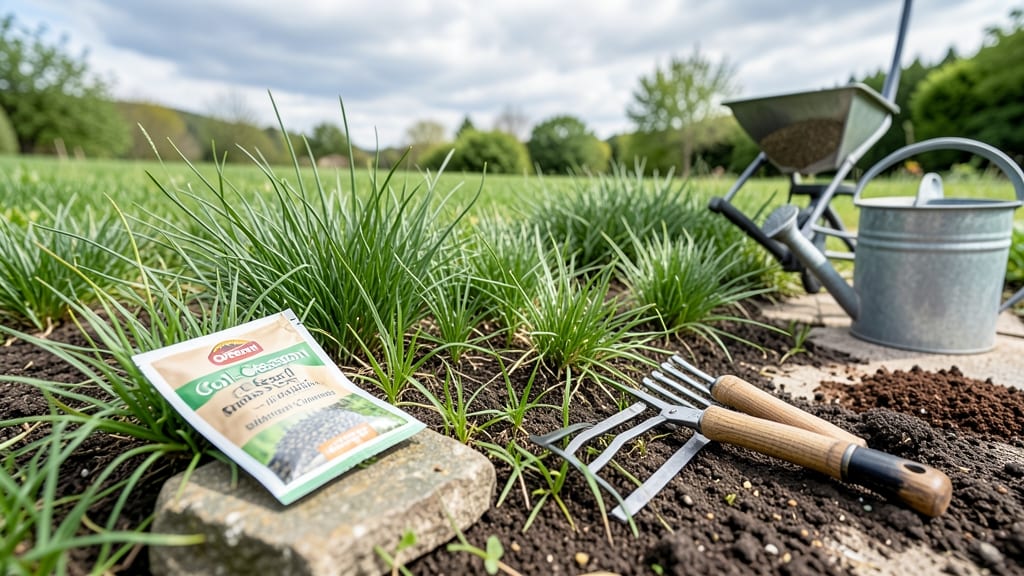
Planting grass seed in Portland, Oregon, at the right time means the difference between a thick, green lawn and a patchy mess that invites weeds.
Portland’s unpredictable weather—from chilly coastal breezes to inland heat—can turn grass seeding into a gamble if you plant at the wrong time.
But with the right timing, you’ll avoid the common mistakes like seeding too late in spring when summer drought sets in or too early in fall when frost sneaks up.
Here’s exactly when to plant for a lush, weed-resistant lawn in Portland’s USDA Zone 8a, plus how to adjust for your microclimate—whether you’re near the coast or inland.
Portland’s best grass seed planting windows by microclimate zone
Portland’s diverse microclimates mean your grass seed timing should vary dramatically between the coastal areas, Willamette Valley, and Eastside hills. Each zone has unique temperature ranges, rainfall patterns, and soil conditions that dictate the perfect window for seeding.
Getting this right ensures faster germination and weed suppression—critical for Portland’s wet, mild winters and dry summers.
In coastal Portland (like Southwest or Sauvie Island), cooler temperatures and higher humidity create ideal conditions for late-summer seeding (late August through early September).
Meanwhile, the Willamette Valley (including most residential areas) thrives with early fall planting (mid-September to early October), while the Eastside hills (like Hillsboro or Beaverton) benefit from early spring planting (March to early April) to avoid summer drought stress.
Here’s how these microclimate differences translate into actionable planting windows, soil prep tips, and seed selection strategies tailored to Portland’s USDA Zone 8a climate.
For coastal Portlanders, late-summer seeding takes advantage of cooler soil temperatures and natural rainfall, reducing the need for irrigation.
The fine fescue blends recommended here thrive in shadier, moisture-retentive soils common to these areas. Pro tip: Use a starter fertilizer with phosphorus to encourage root growth before winter rains set in.
The Willamette Valley’s early fall window is Portland’s golden standard for grass seeding. September’s mild temperatures (50–60°F) and consistent rainfall create perfect conditions for Kentucky bluegrass and ryegrass mixes, which establish roots before winter dormancy. Soil pH testing is critical here—Portland’s clay-heavy soils often need peat moss or sulfur to hit the ideal 6.0–7.0 range.
Eastside gardeners face drier springs and warmer soils, making early spring planting (March–April) the safest bet. Perennial ryegrass germinates quickly in these conditions, outpacing weeds before summer drought sets in. Pre-watering the soil for 1–2 weeks before seeding is non-negotiable—dry clay soils can suffocate new seedlings if not properly moistened.
One common mistake Portlanders make is planting too late in fall (after early October), risking frost damage before roots establish. Conversely, spring planting after mid-April often coincides with heatwaves, stressing young grass. Adjust your timeline by monitoring soil temperatures—use a soil thermometer to confirm 50°F+ before seeding.
If you’re torn between late-summer vs. fall seeding, consider this: Fall planting (September–October) gives
How to adjust planting dates for Portland’s unpredictable weather trends
Portland’s unpredictable weather can throw off even the best-laid grass seeding plans. One year, you might face late spring rains that delay germination, while another brings early fall frosts that stunt growth. The key is flexibility—adjusting your planting dates based on real-time conditions rather than relying on averages.
I’ve learned the hard way that seeding too early in spring risks fungal diseases from damp soil, while late fall plantings often struggle with winter dormancy before roots establish. Here’s how to stay ahead of Portland’s weather quirks with practical strategies that actually work.
⚠️ callout warning
Portland’s spring rains can last until May—don’t delay seeding until the soil dries. Instead, use soil warming techniques like black plastic mulch to jumpstart germination when temps hit 50°F+. For fall, watch for first frost warnings and plant 6-8 weeks before the average October freeze date.
Start with soil warming techniques if spring arrives late. Lay down black plastic mulch over prepared beds 1-2 weeks before planting to raise soil temperatures by 10-15°F.
This trick works wonders for late-March plantings when coastal areas still feel like winter. Remove the plastic right before seeding to avoid overheating.
For backup seeding plans, keep a small batch of seed on hand. If your initial planting gets washed out by April showers, you can reseed within 2-3 weeks without starting over.
Just loosen the soil slightly and water deeply to encourage new sprouts—Portland’s cool-season grasses respond well to this second chance.
Mulching isn’t just for flowers—it’s a game-changer for grass seed in Portland. After planting, apply a thin layer of straw mulch (¼ inch) to protect seeds from wind erosion and retain moisture during our unpredictable summer droughts.
This also keeps soil temps stable, which is crucial when daytime highs swing from 75°F to 95°F in July.
Fall frost risks are real, but you can extend your planting window by choosing drought-tolerant varieties like fine fescue blends. These grasses establish faster in cooler soil and handle light frosts better than Kentucky bluegrass.
Aim to finish seeding by September 15th for best results—any later, and you risk winter kill before roots develop.
Pro tip: Use a soil thermometer to track conditions. Grass seeds need 50-65°F soil temps to germinate—if it’s cooler, wait. If you’re in doubt, late August is your safest bet for fall plantings, giving seeds 6-8 weeks to establish before winter sets in.
With these adjustments, you’ll beat Portland’s weather—every time. 🌱