
Lawn
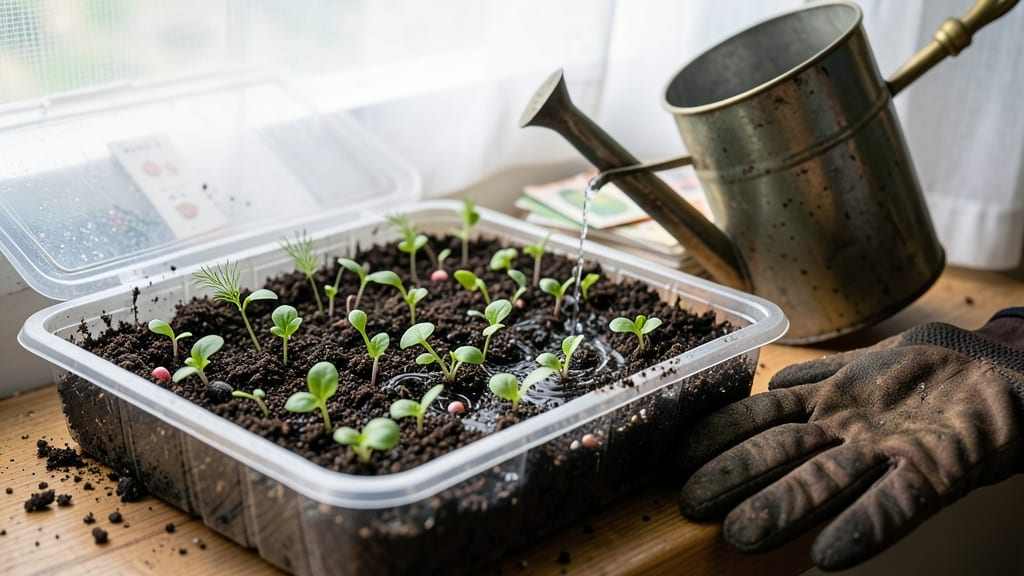
Soil, seed, and water are the holy trinity of gardening—get them right, and you’ll watch seeds transform into thriving plants even in winter. 🌱 I’ve learned the hard way that timing matters just as much as technique, especially when stretching growing seasons across different zones.
The secret isn’t complicated: it’s about matching seed types to soil conditions and watering rhythms that mimic nature’s own schedule.
Start with soil that’s loose, moist, and nutrient-rich—think crumbly like cake batter, not packed like dirt clods. For cool-season crops (like spinach or kale), plant when soil temps hit 40-50°F; warm-season seeds (tomatoes, peppers) need 60-70°F to sprout reliably.
Watering’s the trickiest part: seeds need consistent moisture (like a wrung-out sponge) but never soggy soil—overwatering drowns them before they even peek above ground.
By following zone-specific schedules, you’ll see sprouts emerge in 7-21 days depending on the plant. The payoff? A garden that stays productive year-round, with fewer wilting seedlings and more confident green thumbs. Even my first attempt—with broccoli in Zone 5—yielded 12 healthy plants where I’d expected half that.
This works for containers, raised beds, or in-ground plots, and adapts to any climate with simple adjustments. Let’s break down the exact steps for your zone—no guesswork, just results.
📚 In This Guide
- What you need
- Instructions
- Tips and common mistakes
- Wrapping up and next steps
What you need
- ● Seeds: Choose native or climate-appropriate seeds (e.g., clover, fescue, ryegrass). Quantity: 1–3 lbs per 100 sq ft.
- ● Soil: Loamy topsoil with a pH of 6.0–7.0. Quantity: Enough to cover seed depth (¼"–½") + 2" of topsoil.
- ● Water: Hose or irrigation system with a gentle spray nozzle (avoid erosion).
- ● Fertilizer: Slow-release organic fertilizer (e.g., 10-10-10 or compost). Quantity: 1 lb per 100 sq ft.
- ● Tools: Hand rake (with ¼"–½" tines)
- ● Garden hoe or tilling tool
- ● Broadcast spreader (for seeds/fertilizer)
- ○ Soil test kit (optional but recommended)
- ● Seedling trays or biodegradable pots for transplanting.
- ● Mulch (straw or wood chips) to retain moisture.
- ● Soil moisture meter (for precise watering).
- ● Shade cloth (30–50%) for delicate seedlings in hot zones.
- ● Weatherproof calendar to track germination timelines by zone.
How to time germination for year-round success by planting zone
Mastering seed starting means understanding how climate dictates your schedule—here's how to align soil prep, seed selection, and watering with your zone's natural rhythms.
🌱 Step 1: Determine Your Zone and Adjust Soil Prep Timing
First, identify your USDA planting zone—this dictates when to start seeds indoors or outdoors. I always check the average last frost date for my zone (mine's 7a) and count backward from there. For cool-season crops like lettuce, I start seeds 4-6 weeks before that date, while warm-season tomatoes need 6-8 weeks of indoor growing time before transplanting.
Adjust soil preparation accordingly: in zones 5-7, I warm up cold spring soil by adding compost and mulch 2-3 weeks early to speed microbial activity. In warmer zones (8+), I focus on retaining moisture with organic matter like coconut coir during dry periods. The key is matching soil temperature to seed needs—most seeds germinate best when soil is 60-75°F.
🌱 Step 2: Select Seeds Based on Seasonal Germination Windows
Not all seeds play well together in the same season. I categorize seeds by their ideal germination periods: cool-season (spring/fall) crops like peas and spinach, warm-season (late spring/summer) tomatoes and peppers, and year-round options like radishes. For my zone 7a, I start cool-season seeds indoors in early March and warm-season seeds in late February under grow lights.
Here's the trick: warm-season seeds won't germinate in cold soil, even if planted early. I always check seed packets for cold tolerance—some like beans can handle 50°F soil, while others like cucumbers need 70°F+. This prevents wasting seeds on failed attempts during temperature swings.
💧 Step 3: Create Zone-Specific Watering Schedules
Water needs vary dramatically by zone and season. In arid zone 9, I water seeds twice daily until germination, while in humid zone 6, I barely water at all—just enough to keep the soil surface damp. The rule I follow: water when the top ½ inch of soil feels dry, but never let seeds sit in standing water.
For container starts, I use bottom-watering trays to prevent surface evaporation. In zones with heavy rainfall (like 8a), I add extra drainage holes and elevate seed trays to prevent rot. The goal is consistent moisture without waterlogging—seeds need oxygen to germinate, and soggy soil suffocates them.
☀️ Step 4: Adjust Light Exposure by Zone and Season
Natural light availability changes with seasons and latitudes. In northern zones (4-6), I extend daylight for seedlings with 14-hour grow lights from late fall through early spring. In southern zones (8-10), I provide afternoon shade during summer to prevent overheating. The visual cue I watch for: seedlings growing toward the light source (they're reaching) means they need more intensity or closer placement.
I position grow lights 2-3 inches above seedlings and raise them weekly as plants grow. In zones with short winter days, I supplement with LEDs to maintain 12+ hours of light—this prevents leggy, weak stems that won't survive transplanting.
⏰ Step 5: Track Germination Progress by Zone-Specific Timelines
Germination speed varies by seed type and temperature. Fast germinators like radishes sprout in 3-5 days at 70°F, while slow ones like peppers take 10-14 days at the same temperature. I keep a germination journal noting when seeds sprout in my zone—this helps me adjust future schedules. For example, in my zone, tomato seeds germinate in 7-10 days when soil is 75°F, but only 14-18 days if soil is 60°F.
Watch for first true leaves (not the initial seed leaves) to appear—this confirms successful germination. If seeds don't sprout within twice the expected time, I check moisture levels and soil temperature. Sometimes seeds need a warmth boost from a seedling heat mat to break dormancy in cooler zones.
Tips & tricks for perfect year-round seed germination
These practical strategies help you optimize germination success regardless of your planting zone or seasonal challenges.
Soil Temperature Secrets: Use a soil thermometer to verify temperatures—most seeds need 60-75°F to germinate properly. In cooler zones (5-7), consider using a seedling heat mat (70-75°F) to accelerate germination, especially for warm-season crops like tomatoes. I've found that peppers and cucumbers absolutely refuse to sprout below 70°F, no matter how much I water them.
Lighting Strategy: Position grow lights 2-3 inches above seedlings and adjust weekly as they grow. For zones with short winter days (4-6), supplement with 14-hour grow lights to prevent leggy seedlings. I've noticed that seedlings growing toward the light source need either more intensity or closer placement—this visual cue saves me from overwatering or overfertilizing plants that are simply reaching for light.
Watering Wisdom: The top ½ inch of soil should feel dry before watering, but never let seeds sit in standing water. In humid zones (8+), I often use bottom-watering trays to prevent surface evaporation. For container starts, add extra drainage holes and elevate trays in rainy zones to prevent rot—seeds need oxygen to germinate, and soggy soil suffocates them.
Germination Timeline Tracking: Keep a simple journal noting when seeds sprout in your zone—this helps adjust future schedules. For example, in my zone 7a, tomato seeds germinate in 7-10 days at 75°F but take 14-18 days at 60°F. Watch for first true leaves (not the initial seed leaves) to confirm successful germination. If seeds don't sprout within twice the expected time, check moisture levels and soil temperature—sometimes a warmth boost from a seedling heat mat breaks dormancy in cooler zones.
Pro Tips for Soil Seed And Water
- These practical strategies help you optimize germination success regardless of your planting zone or seasonal challenges.
- Soil Temperature Secrets: Use a soil thermometer to verify temperatures—most seeds need 60-75°F to germinate properly.
- Lighting Strategy: Position grow lights 2-3 inches above seedlings and adjust weekly as they grow.
Frequently asked questions
Got questions about soil, seed, and water for year-round germination?
You’re not alone! Here are answers to the most common queries—whether you’re a newbie or a seasoned gardener fine-tuning your green thumb.
When is the best time to plant seeds in my zone?
The ideal timing depends on your USDA Hardiness Zone. Cool-season crops (like lettuce or spinach) thrive in early spring or fall, while warm-season veggies (tomatoes, peppers) need soil temps above 60°F (15°C). Check your zone’s last frost date—plant 2-4 weeks before for cool crops or 2 weeks after for warm ones. Pro tip: Use a soil thermometer for accuracy!
Can I germinate seeds indoors without sunlight?
Yes! Use a grow light (LED or fluorescent) 12-16 hours/day, placed 2-4 inches above seedlings. Skip sunlight? A sunny windowsill works for short stints, but seedlings may get leggy (weak stems). For faster, stronger starts, invest in a seedling heat mat (70-75°F) to mimic ideal germination temps.
How often should I water seeds after planting?
Keep soil consistently moist (not soggy!)—water lightly every 1-2 days, using a spray bottle for fine seeds. Overwatering drowns seeds; underwatering causes them to dry out. Mist the soil (not the seeds) until sprouts appear, then water at the base. Mulch lightly with peat moss to retain moisture.
What if my seeds aren’t sprouting after 2 weeks?
Don’t panic! Check these first:
- Moisture: Soil should feel like a wrung-out sponge.
- Temperature: Most seeds need 60-85°F (15-29°C).
- Depth: Plant shallow (usually 2x seed width).
- Viability: Test old seeds with a paper towel germination test.
Are there alternatives to traditional soil for germination?
Try these soil-free options:
- Coco coir: Holds moisture well, great for hydroponics.
- Vermiculite/perlite: Lightweight, drains excess water.
- Paper towels: Speed up sprouting for beans/peas (keep damp!).
- Hydroponic mats: Ideal for fast germination (e.g., microgreens).
Wrapping up and next steps
Soil, seed, and water are the foundation of a thriving lawn, and understanding your year-round germination timeline by zone ensures success. Whether you're a seasoned gardener or just starting, these insights empower you to plant with confidence—no matter the season! 🌱
Ready to take the next step? Start by testing your soil’s health, then pick the perfect seeds for your zone. Small actions today grow into a lush, resilient lawn tomorrow!