
Lawn
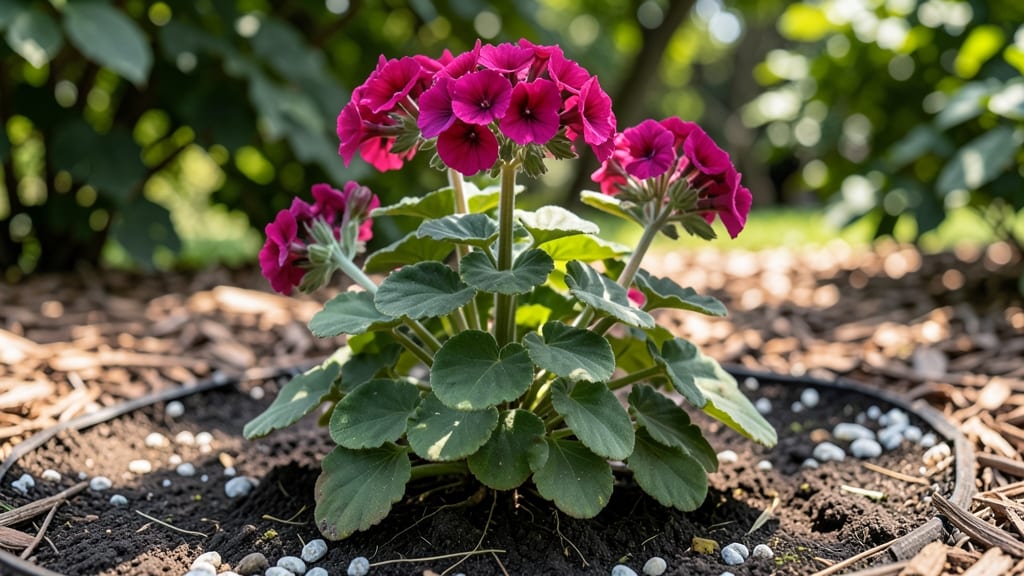
Growing geraniums from seed gives you blooms no store-bought plant can match. 🌸 The secret to year-round flowers starts with proper seed care—light, warmth, and patience create those vibrant clusters that last from spring through frost.
I’ve grown them for years, and the difference between thriving plants and floppy stems comes down to a few simple habits most gardeners miss.
You’ll need a sunny windowsill or grow light, well-draining soil mix, and a spray bottle for gentle watering. Geranium seeds are tiny but tough—plant them just below the surface, keep the soil moist (not soggy), and expect seedlings in 2-3 weeks.
The key is consistency: too much water drowns them, too little stunts growth, and too little light means weak stems that flop under blooms.
Once established, these plants practically care for themselves. Pinch back leggy growth in spring to encourage bushiness, and deadhead spent blooms to keep flowers coming. In winter, move them indoors near a bright window—they’ll reward you with colorful blooms even when snow’s on the ground.
My geraniums have outlasted every other annual I’ve tried, and they’re the first to bloom each spring.
Perfect for containers, window boxes, or garden beds—geraniums thrive in partial sun too, making them versatile for shady spots. The only real challenge is avoiding overwatering, but once you get the rhythm, you’ll have blooms that put nursery plants to shame. Ready to give it a try?
📚 In This Guide
- What you need
- Instructions
- Tips and common mistakes
- Wrapping up and next steps
What you need
- ● Seed geranium packets: Choose Pelargonium varieties (e.g., zonal, ivy, or regal geraniums). Start with 5–10 seeds per packet for a full display.
- ● Seed-starting mix: A lightweight, sterile peat-based or coconut coir mix (avoid garden soil—it’s too dense!). Use about 10–15 lbs for a standard seed tray.
- ● Seed trays or pots: Biodegradable peat pots (3–4 inches deep) or a 10x20-inch seed tray with drainage holes. Aim for 1–2 seeds per pot to avoid overcrowding.
- ● Grow lights or sunny windowsill: A fluorescent or LED grow light (12–16 hours/day) or a south-facing window (6+ hours of sunlight).
- ● Spray bottle: For gentle watering (16–32 oz capacity with a fine mist nozzle).
- ○ Plastic wrap or humidity dome: Keeps moisture in until germination (optional but helpful for humidity-loving seeds).
- ● Small hand trowel or spoon: For planting seeds (1–2 inches deep).
- ○ Fine-mist watering can (optional): If you prefer a broader approach than a spray bottle.
- ● Pruning shears: Sharp, clean scissors (for future pinching—sterilize with rubbing alcohol!).
- ○ pH test kit (optional): Ensures your soil is 6.0–7.0 (geraniums prefer slightly acidic to neutral soil).
- ● Fertilizer (after germination): A balanced liquid fertilizer (10-10-10) or fish emulsion (diluted to half-strength).
- ○ Hardening-off tray (optional): A shallow tray for acclimating seedlings to outdoor conditions before transplanting.
- ● 🌡️ Temperature control: Keep soil 65–75°F for germination (use a seedling heat mat if needed).
- ● ✨ Lighting hack: If using a grow light, place it 2–3 inches above seedlings to avoid legginess.
- ● 🔄 Transplant timing: Wait until seedlings have 2–3 sets of true leaves before moving them to larger pots (4-inch pots).
Step-by-step seed geranium care for continuous blooms
Here’s how to coax vibrant, long-lasting blooms from geranium seeds with minimal effort.
🌱 Step 1: Start Seeds Indoors at the Right Time
Geranium seeds need warmth to germinate, so begin indoors 8-10 weeks before your last frost date. Use a shallow tray filled with sterile seed-starting mix—never garden soil, which can harbor fungus that kills delicate seedlings. Moisten the mix until it’s damp like a wrung-out sponge, then press it down gently to remove air pockets.
Sow seeds 1/8 inch deep—any deeper and they’ll struggle to reach light. Space them 1/4 inch apart in rows to avoid overcrowding later. Cover lightly with a fine mist of water, then place the tray in a warm spot (70-75°F). A seedling heat mat speeds germination, but even a sunny windowsill works if you’re patient. Keep the soil consistently moist but never soggy—geranium seeds rot quickly in waterlogged conditions.
☀️ Step 2: Provide Light and Prevent Leggy Growth
Once seedlings emerge (usually in 7-14 days), move them within 2-3 inches of a bright grow light or south-facing window. Geraniums stretch toward light like sun-worshippers, so if stems grow thin and pale, your light source is too weak. Rotate the tray quarter-turn daily to encourage even growth—you’ll notice leaves leaning toward the light if you don’t.
Thin seedlings to 3 inches apart when they develop 2-3 true leaves. Use scissors to snip weak ones at soil level, leaving the strongest plants. This might seem cruel, but crowded seedlings compete for nutrients and produce weak, floppy stems. Water from the bottom after thinning to avoid disturbing the roots.
💧 Step 3: Harden Off and Transplant for Outdoor Success
Two weeks before your last frost, begin hardening off seedlings by placing them outside in partial shade for 1-2 hours daily. Gradually increase exposure to full sun over 7-10 days, watching for signs of stress like wilting or yellowing leaves. Geraniums tolerate heat once established, but sudden sun shocks them.
Transplant after all danger of frost has passed, spacing plants 12-18 inches apart in well-draining soil. Dig holes slightly deeper than the root ball and water deeply to settle the soil. Mulch around the base with 1-2 inches of organic mulch to retain moisture and suppress weeds. Avoid overhead watering—wet leaves invite fungal diseases like powdery mildew, which geraniums hate.
✂️ Step 4: Prune for Year-Round Blooms (The "Zero Fuss" Trick)
Geraniums bloom best with regular light pruning. Once plants reach 6-8 inches tall, pinch back the tips of the main stems to encourage bushier growth. This isn’t just about looks—pinching redirects energy from tall, leggy stems to side shoots, which produce more flowers. Do this every 4-6 weeks throughout the growing season.
Deadhead spent blooms weekly by snipping stems back to the nearest leaf or bud. This prevents seed formation, which drains the plant’s energy. In fall, cut back one-third of the plant’s height to rejuvenate growth. Geraniums are surprisingly resilient—even after a harsh winter, they’ll bounce back with proper pruning and care.
Tips & tricks for perfect seed geranium cultivation
Between us, these small adjustments make all the difference when growing vibrant geraniums from seed.
Warmth is Non-Negotiable: The 70-75°F germination temperature range is critical—any cooler and seeds may never sprout. I've used a seedling heat mat set to 75°F for consistent results, but even a sunny windowsill above a radiator works in a pinch. Just monitor soil temperature with a thermometer if you're unsure; geranium seeds won't germinate below 65°F.
Lighting Strategy: Those 7-14 days until germination feel like forever, but patience pays off. Once seedlings appear, the 2-3 inch distance from grow lights becomes your new best friend. I've seen seedlings stretch into weak, leggy monsters when placed too far away—this is your warning sign to move them closer immediately. Rotate the tray daily to prevent uneven growth toward the light source.
Pruning Precision: The "zero fuss" pruning method works because it's about timing—not just cutting. When plants hit 6-8 inches, pinch back the main stems just above a leaf node where side shoots will emerge. This redirecting of energy is what creates that lush, bushy growth. I've found that doing this every 4-6 weeks prevents the plant from putting all its energy into just one long stem.
Transplanting Technique: The 12-18 inch spacing isn't just random—it accounts for how geraniums spread. Too close, and they'll compete for nutrients, leading to fewer blooms. When transplanting, dig holes slightly deeper than the root ball to encourage strong root establishment. The organic mulch layer acts like a moisture blanket, keeping roots consistently hydrated without the risk of fungal issues from overhead watering.
Pro Tips for Seed Geranium Care
- Between us, these small adjustments make all the difference when growing vibrant geraniums from seed.
- Warmth is Non-Negotiable: The 70-75°F germination temperature range is critical—any cooler and seeds may never sprout.
- Lighting Strategy: Those 7-14 days until germination feel like forever, but patience pays off.
Frequently asked questions
When is the best time to plant seed geraniums?
For fastest results, sow seeds indoors 8–10 weeks before your last frost date (typically late winter or early spring). If you’re planting directly outdoors, wait until after the soil warms to 60°F+—usually late spring or early summer in most climates. Geraniums hate cold soil, so patience pays off!
How often should I water seed geraniums?
Keep soil consistently moist but not soggy—especially when seedlings are young. Once established, water deeply 1–2 times per week, letting the top inch of soil dry out between sessions. Overwatering is the #1 killer! Use a drip irrigation system or water at the base to avoid fungal issues.
Why aren’t my geraniums blooming?
Lack of blooms usually means too much shade, over-fertilizing with nitrogen, or deadheading neglect. Move plants to 6+ hours of sunlight daily, switch to a low-nitrogen, high-phosphorus fertilizer (like 5-10-5), and prune spent blooms regularly. Bonus: Pinch back leggy stems in early spring to encourage bushier growth!
How do I protect geraniums from pests?
Geraniums attract aphids, spider mites, and whiteflies, but a few tricks help: Spray leaves with neem oil weekly as prevention, introduce ladybugs or lacewings, and avoid overcrowding (which invites pests). For severe infestations, isolate affected plants and treat with insecticidal soap.
Can seed geraniums survive winter outdoors?
Most seed geraniums (Pelargonium species) are tender perennials and won’t survive frost. Dig up pots or container plants before first frost, trim back, and store in a cool (40–50°F), dry place (like a garage). In cold climates, treat them as annuals or grow them in winter-proof containers you can move indoors.
What’s a good alternative if seed geraniums are too fussy?
If you love the look but not the upkeep, try zonal geraniums (Pelargonium zonale)—they’re hardier, drought-tolerant, and bloom nonstop with minimal care. Other low-maintenance picks: coleus, bacopa, or verbena. All three thrive in similar conditions but with fewer pests and less fuss!
Wrapping up and next steps
With just a little attention to light, water, and pruning, your seed geraniums can reward you with vibrant blooms all year long—no fuss required! 🌸 Remember, deadheading and occasional trims keep them thriving, while a cozy spot near a window (or balcony) ensures they stay happy.
Whether you're a seasoned gardener or just starting out, these hardy plants are your perfect low-maintenance companions.
Ready to watch your geraniums flourish? Grab your shears, pick a sunny spot, and get growing! 🌱 Next up: Share your blooming progress with the gardening community or experiment with companion plants to extend their beauty even further.