Pruning
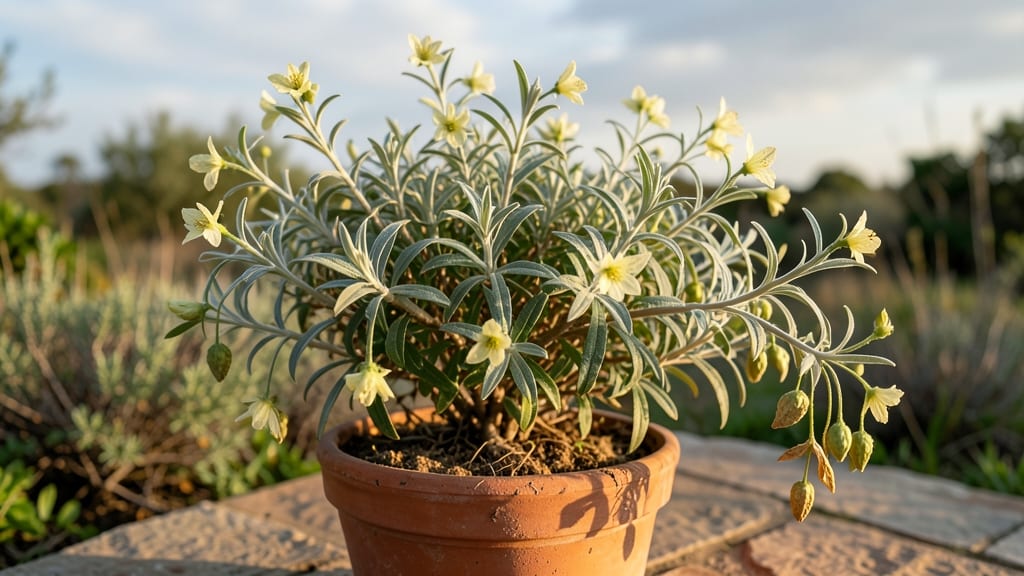
Hopseed bush care transforms this scraggly shrub into a year-round powerhouse of silvery foliage and vibrant flowers. 🌿 I’ve learned the hard way—skipping pruning leads to woody stems and sparse growth, but with the right cuts, this drought-tolerant beauty thrives with minimal effort. The secret? Prune twice a year to encourage dense, bushy growth and keep it looking sharp without stressing the plant.
This hardy shrub loves full sun and well-draining soil, making it perfect for low-maintenance gardens. Water deeply but infrequently—overwatering is the fastest way to kill it—and it handles heat and poor soil like a champ.
The real magic happens in pruning: cut back one-third of the oldest stems in early spring to stimulate new growth, then lightly trim again after flowering to maintain shape. No fancy tools needed—just sharp shears and 10 minutes of your time.
What you’ll end up with is a nearly indestructible shrub that stays lush all year, resists pests, and even attracts pollinators. The silvery leaves add texture to any landscape, while the small yellow flowers bring a pop of color.
Best of all? It’s beginner-proof—once you master the two-prune rule, you’ll wonder why you didn’t start sooner.
Works in USDA zones 8-11, whether you’re shaping a hedge, border, or standalone specimen. Here’s how to keep yours thriving without the guesswork—no green thumb required.
📚 In This Guide
- What you need
- Instructions
- Tips and common mistakes
- Wrapping up and next steps
What you need
- ● Pruning shears – Bypass pruners (sharp, 6-8 inch blades) for clean cuts on branches up to ½ inch thick.
- ● Loppers – For thicker branches (½–1½ inches), choose ratcheting loppers for extra leverage.
- ● Pruning saw – A curved-tooth pruning saw for branches thicker than 1½ inches (avoid tearing the bark!).
- ● Gloves – Heavy-duty gardening gloves (waterproof, with reinforced palms) to protect from thorns and sap.
- ● Disinfectant – 70% isopropyl alcohol or hydrogen peroxide (3%) to sterilize tools between cuts (prevents disease spread!).
- ● Rake or broom – For clearing fallen leaves/debris after pruning.
- ○ Pruning sealant (optional) – Tree wound sealant (like Tanglefoot Tree Seal) for large cuts to prevent pests/disease.
- ● Safety gear – Safety glasses (if sawing thick branches) and closed-toe shoes.
- ● Weather check – Prune on a dry, overcast day (avoid wet or windy conditions).
- ● Plan your cuts – Sketch a rough pruning map (or take photos) to visualize shape goals.
- ● Water source – A hose or watering can to hydrate the bush post-pruning (helps recovery!).
- ● Compost bin or mulch – For disposing of small pruned branches (or repurpose as mulch!).
Step-by-Step pruning guide for hopseed bushes
Here's how I keep my hopseed bushes lush and productive—no guesswork, just proven techniques.
✂️ Step 1: Prune After Flowering for Next Year's Growth
Wait until late fall or early winter when the plant has fully finished flowering and seed production. This is the ideal time because the plant has stored energy in its roots and stems, preparing for dormancy. Using clean, sharp pruning shears, cut back all stems to about 6-8 inches from the ground. I like to make the cuts just above a leaf node or bud—this encourages new growth from exactly where you want it.
Remove any dead, diseased, or weak stems completely. You'll notice these are often brown, mushy, or have black spots. This cleanup prevents pests and diseases from overwintering in your bush. I always sterilize my shears with rubbing alcohol between cuts to keep everything sanitary.
🌿 Step 2: Shape the Bush in Early Spring
Once new growth appears in early spring (around March-April depending on your climate), it's time to shape your hopseed bush. Look for the strongest, most vigorous stems and encourage these to grow by cutting back weaker stems to their base. You want to create an open center that allows air to circulate—this prevents fungal issues.
Pinch back the tips of the remaining stems to encourage bushier growth. I do this by removing the top 1/3 of the stem just above a set of leaves. This might seem counterintuitive, but it triggers the plant to produce more side branches, which means more flowers and seeds next season. Watch for new shoots emerging from the base—these are your future leaders.
☀️ Step 3: Summer Maintenance Pruning
Throughout the growing season, keep an eye out for any stems that are growing too long or leggy. In mid-summer, trim these back by about 1/3 to maintain a compact shape. You'll also want to remove any suckers—those are the small shoots that grow from the base or along the stems. These compete with your main plant for energy and can weaken your harvest.
Deadhead spent flowers by cutting them back to the nearest leaf node. This redirects the plant's energy toward new growth instead of seed production. I do this every 2-3 weeks during the growing season. If you see any yellowing or browning leaves, remove those immediately—they're signs of stress or disease and can spread quickly if left unattended.
⏰ Step 4: Final Light Pruning Before Winter
About 4-6 weeks before your first frost, do a final light pruning to prepare the plant for winter. Trim back any remaining long stems to keep the shape neat and tidy. Remove any seed pods that haven't yet fallen off—they can harbor pests over winter. This is also a good time to check for any signs of pests like aphids or spider mites and treat them if necessary.
After pruning, give your hopseed bush a light layer of mulch to protect the roots from freezing temperatures. I use about 2-3 inches of organic mulch like wood chips or straw. This helps insulate the soil and retain moisture. Avoid piling mulch directly against the stems, as this can cause rot.
Tips & tricks for pruning hopseed bushes like a pro
Keeping your hopseed bushes thriving takes a few key tricks that make all the difference between a scraggly plant and a lush, productive one.
Timing is Everything: The late fall or early winter pruning in Step 1 is crucial because it lets the plant store energy for next year's growth. If you're in a warmer climate where winters are mild, aim for the cooler months when the plant naturally slows down. I've seen people prune too early, and the new growth gets damaged by unexpected cold snaps—don't make that mistake!
Tool Prep Matters: Before you start pruning, sterilize your shears with rubbing alcohol between cuts (as mentioned in Step 1). This isn't just about sanitation—it prevents spreading diseases from one part of the plant to another. I keep a small bottle of rubbing alcohol in my gardening toolkit just for this purpose. Also, make sure your shears are sharp; dull blades crush stems instead of making clean cuts, which stresses the plant.
Visual Cues for Healthy Growth: When shaping your bush in early spring (Step 2), look for stems that are growing straight up—they're often the strongest. The "open center" technique isn't just about looks; it's about airflow. I like to imagine I'm creating a "wind tunnel" through the center of the bush. This simple visual helps me remember why I'm making those cuts—better airflow means fewer fungal issues.
Seasonal Maintenance Reminders: That mid-summer trim (Step 3) might seem like a lot of work, but it pays off big time. I set a reminder on my phone for every 2-3 weeks during the growing season so I don't forget. Think of it like giving your bush a haircut—regular maintenance keeps it looking its best and producing more seeds. And remember, those suckers you remove? They're actually trying to steal energy from your main plant!
Pro Tips for Hopseed Bush Care
- Keeping your hopseed bushes thriving takes a few key tricks that make all the difference between a scraggly plant and...
- Timing is Everything: The late fall or early winter pruning in Step 1 is crucial because it lets the plant store ener...
- Tool Prep Matters: Before you start pruning, sterilize your shears with rubbing alcohol between cuts (as mentioned in...
Frequently asked questions
When is the best time to prune my hopseed bush for maximum growth?
The ideal time to prune is late winter or early spring (just before new growth starts) to encourage vigorous regrowth. You can also do a light trim in summer to shape the plant and remove dead or overcrowded branches. Avoid heavy pruning in fall, as it may stress the bush before winter.
How much can I cut back without harming the plant?
You can safely prune up to one-third of the plant’s height in a single session. For mature hopseed bushes, aim to remove old, woody stems at the base while leaving 3-5 healthy, younger stems to ensure strong regrowth. Thinning out crowded branches improves airflow and reduces disease risk.
What should I do if my hopseed bush isn’t recovering after pruning?
If your bush looks leggy, sparse, or slow to regrow, it may need a nutrient boost. Apply a balanced fertilizer (10-10-10) in spring, water deeply, and ensure it gets 6+ hours of sunlight daily. If yellowing leaves appear, check for overwatering or root rot—let the soil dry slightly between waterings.
Can I use hopseed bush prunings for anything else besides compost?
Dried hopseed leaves
can be used in herbal teas or tinctures (known for calming properties), while fresh prunings make great mulch or natural pest repellent when scattered around the garden. Just avoid using diseased or chemically treated branches.
Are there any pruning mistakes I should avoid with hopseed bushes?
Skip these common errors:
- Pruning too late in the season (after early fall) can stunt growth.
- Cutting into old wood—always prune just above a leaf node or bud.
- Ignoring dead/diseased branches—remove them immediately to prevent spread.
- Over-pruning young plants—wait until they’re at least 1-2 years old.
Wrapping up and next steps
Caring for your hopseed bush doesn’t have to be a challenge—with the right pruning techniques, you’ll enjoy lush, year-round growth and even a bountiful harvest! 🌿 Whether you’re trimming for shape, health, or propagation, consistency is key.
Remember, healthy plants reward patience, so don’t hesitate to experiment and adapt based on your bush’s unique needs.
Ready to take the next step? Grab your pruners and schedule a quick maintenance session—your hopseed bush will thank you with vibrant foliage and maybe even those prized edible seeds! 🌱