
Picking
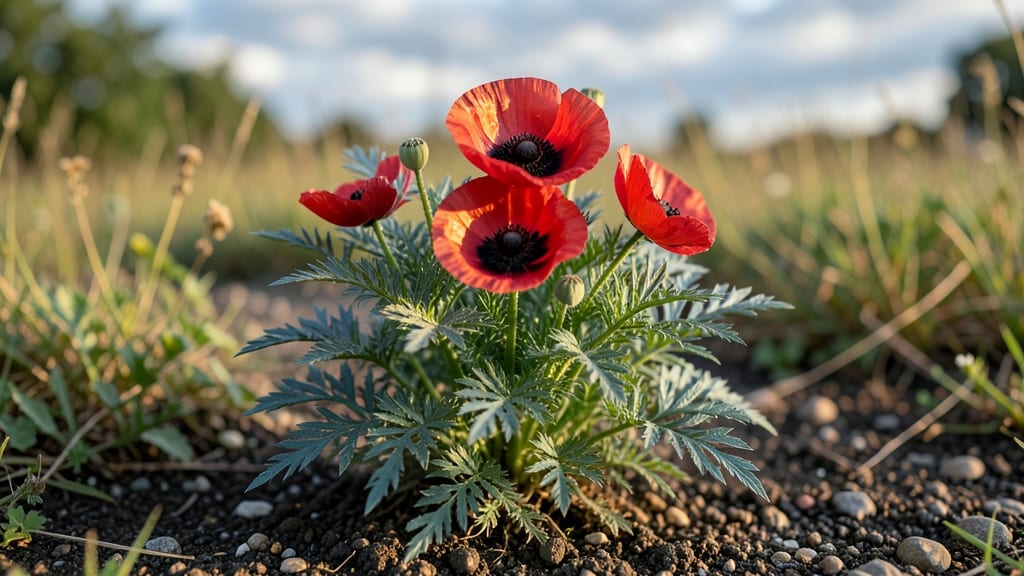
Growing Hungarian breadseed poppy from seed to those iconic papery blooms is simpler than you'd think—especially when you match your planting schedule to your climate zone. 🌱 I've watched these drought-tolerant beauties transform a patch of soil into a sea of delicate flowers, and the secret lies in understanding their unique life cycle and seasonal needs.
These poppies thrive in poor, well-draining soil and full sun, making them perfect for neglected corners of the garden. Plant seeds just ¼-inch deep in early spring or fall, spacing them 12-18 inches apart—they resent crowding but reward patience with 3-4 foot tall stems by summer.
The real magic happens when you let them go dormant in summer heat, then bloom explosively in late summer or fall.
Watering is where most gardeners trip up: keep soil barely moist during germination, then let it dry between waterings once established.
The edible seeds (great for baking or sprinkling on salads) form in those distinctive papery pods, and harvesting them is half the fun—just wait until they turn golden-brown before collecting.
Whether you're growing for cut flowers, seed pods, or just the sheer joy of watching them pop up after summer dormancy, these poppies deliver low-maintenance drama that outperforms most annuals. Here's how to time everything right for your zone.
📚 In This Guide
- What you need
- Instructions
- Tips and common mistakes
- Wrapping up and next steps
What you need
- ● Seeds: 1 oz (≈ 28g) of Hungarian breadseed poppy (Papaver somniferum) seeds (ensure they’re non-opium varieties for culinary use).
- ● Growing Medium: Well-draining potting mix (e.g., 50% peat/coir, 30% perlite, 20% compost).
- ● OR Loose, sandy loam soil (pH 6.0–7.5).
- ● Containers (if starting indoors): 3–4" diameter pots or seed trays (or direct-sow in garden beds).
- ● Watering Can or Spray Bottle: Fine-mist nozzle for gentle watering.
- ● Garden Gloves: Protect your hands from prickly stems.
- ● Trowel: For transplanting seedlings or loosening soil.
- ● Pruners or Scissors: To harvest seed pods cleanly.
- ○ Optional: Row Cover or Frost Cloth (for cooler climates).
- ● Drip Irrigation Kit (for larger gardens).
- ● pH Test Kit (to monitor soil acidity).
- ● Climate Zones: Thrives in Zones 3–10; avoid soggy soils (poppies hate "wet feet").
- ● Planting Window: Cool Climates (Zones 3–6): Start indoors 8–10 weeks before last frost; direct-sow after frost risk passes.
- ● Warm Climates (Zones 7–10): Direct-sow in fall (Oct–Nov) or early spring (Feb–March).
- ● Sunlight: Full sun (6+ hours daily).
Step-by-Step instructions for cultivating Hungarian breadseed poppy
Here’s how to grow these striking annuals from seed to full bloom, tailored to your climate zone.
🌱 Step 1: Time Your Planting for Optimal Germination
Hungarian breadseed poppies thrive in cool weather but bolt quickly when temperatures rise above 75°F. For Zone 5-7, sow seeds directly outdoors 4-6 weeks before your last frost date—typically mid-to-late April. In Zone 8-10, plant in fall (October-November) to avoid summer heat stress.
Scatter seeds ¼ inch deep in well-drained soil, spacing them 6-12 inches apart for full-grown plants. Lightly cover with soil and pat gently—these seeds need darkness to germinate. Water sparingly afterward; overwatering can wash them too deep or cause rot. Expect sprouts in 7-14 days under ideal conditions.
☀️ Step 2: Provide Full Sun and Minimal Care
Poppies demand 6+ hours of direct sunlight daily for robust growth. A south-facing bed or raised garden gets them the intensity they need. If your climate is hot, provide afternoon shade in Zones 8-10 to prevent wilting.
Once seedlings emerge, reduce watering—poppies hate soggy roots. Water deeply once a week, letting the soil dry completely between sessions. You’ll see first true leaves in 2-3 weeks; this is your cue to thin seedlings to 12 inches apart if overcrowded. Avoid fertilizing; poppies prefer lean soil and may flop if overfed.
⏰ Step 3: Monitor Growth and Expect Rapid Bloom
Hungarian breadseed poppies grow 18-36 inches tall and bolt quickly, often flowering 8-10 weeks after sowing. Watch for buds forming—they’ll open into papery, cup-shaped blooms in 1-2 weeks. Deadhead spent flowers to encourage more blooms, but leave some for seed collection if desired.
In Zones 5-7, plants may self-seed prolifically. If you want to control spread, collect seeds before they drop or pull volunteers in early spring. In Zones 8-10, poppies may rebloom lightly if given consistent moisture, but they’re typically annuals in warm climates.
🪴 Step 4: Extend the Season in Containers (Optional)
For a longer display, grow poppies in 5-gallon containers with well-draining mix. Use one plant per pot to prevent competition. Place pots in full sun and water sparingly—container soil dries faster. This method works best in Zones 8-10 for fall/winter interest.
Poppies in pots may bloom 2-3 weeks later than in-ground plants but often last longer into cooler months. Add a 1-inch layer of mulch around the base to retain moisture without suffocating roots. Avoid moving pots once planted—they resent disturbance.
Tips & tricks for cultivating Hungarian breadseed poppy
Real talk: These vibrant annuals reward patience with their striking blooms—but only if you nail a few key details. Here’s how to give your Hungarian breadseed poppies the perfect growing conditions.
Soil Preparation: Hungarian breadseed poppies thrive in lean, well-drained soil with a pH between 6.0 and 7.5. Before planting, mix in compost or aged manure to improve drainage without adding excessive nutrients. I’ve seen poppies struggle in heavy clay soils—amend with sand or perlite if your garden holds moisture. These plants despise soggy roots, so prioritize soil that mimics their natural, rocky Mediterranean habitats.
Heat Management: The 75°F temperature threshold mentioned in Step 1 is non-negotiable. In hotter climates, provide afternoon shade (especially in Zones 8-10) to prevent wilting. I’ve watched poppies bolt prematurely when daytime temps exceed 80°F—use shade cloth or plant near taller perennials for protection. Morning sun is ideal, while afternoon shade preserves their delicate structure.
Thinning Strategy: When you see those first true leaves in 2-3 weeks (Step 2), resist the urge to thin too early. Wait until seedlings reach 2 inches tall before carefully removing weaker plants with scissors to avoid disturbing roots. I’ve found that spacing at 12 inches apart gives mature plants room to develop their signature 18-36 inch stature without competing for nutrients.
Container Growing: For urban gardeners or those in Zones 8-10, the 5-gallon container recommendation in Step 4 is spot-on—but here’s the pro move: add a 1-inch layer of gravel at the bottom before potting mix. This extra drainage layer prevents root rot, which is the #1 killer of container-grown poppies. Mulch with straw or pine needles (not wood chips) to retain moisture without suffocating roots.
Pro Tips for Hungarian Breadseed Poppy
- Real talk: These vibrant annuals reward patience with their striking blooms—but only if you nail a few key details.
- Soil Preparation: Hungarian breadseed poppies thrive in lean, well-drained soil with a pH between 6.0 and 7.5.
- Heat Management: The 75°F temperature threshold mentioned in Step 1 is non-negotiable.
Frequently asked questions
Got questions about growing Hungarian breadseed poppy? Here are some common ones—and their answers!
When is the best time to plant Hungarian breadseed poppy seeds?
For most U.S. climates, plant seeds directly in the garden in early spring (after the last frost) or late summer (6–8 weeks before your first fall frost). In warm zones (like Zone 9+), you can even plant in winter! Seeds germinate best in 55–75°F soil, so avoid planting when temps are extreme.
How long does it take for Hungarian breadseed poppy to flower?
From seed to bloom, expect 60–90 days in ideal conditions. Early spring plantings typically flower by mid-summer, while fall plantings may bloom in early spring. Note: Poppies are annuals, so they’ll self-seed for future patches if left undisturbed!
How much water does Hungarian breadseed poppy need?
Poppies are drought-tolerant once established! Water seeds lightly to keep soil moist until germination (about 7–14 days). After sprouting, water deeply but infrequently—overwatering causes weak stems. Let soil dry slightly between waterings to prevent rot.
Can I grow Hungarian breadseed poppy in containers?
Yes! Use a 5–6 inch deep pot with drainage holes and well-draining soil. Plant 2–3 seeds per container, spacing them 6–12 inches apart. Containers dry out faster, so monitor soil moisture closely. Pro tip: Poppies thrive in full sun, so place pots in a sunny spot (6+ hours of light daily).
Are Hungarian breadseed poppies toxic to pets or wildlife?
No! These poppies are non-toxic to pets and wildlife. In fact, their seeds are edible and safe for humans (used in baking and salads). However, always supervise pets near gardens, as some plants may cause mild stomach upset if ingested in large quantities.
Why aren’t my Hungarian breadseed poppy seeds germinating?
Try these fixes:
- Cold stratification: Poppy seeds often need a short cold period (2–4 weeks in the fridge) to break dormancy.
- Fresh seeds: Older seeds (over 1 year) may lose viability. Buy new seeds annually.
- Light exposure: Unlike many seeds, poppies need light to germinate—don’t bury them deep!
- Consistent moisture: Keep soil evenly moist (not soggy) during germination.
Wrapping up and next steps
Growing Hungarian breadseed poppy is a rewarding journey that connects you to tradition, beauty, and sustainability—whether you’re cultivating it for its stunning blooms, nutrient-rich seeds, or rustic charm. 🌱 From selecting the right soil to harvesting your crop, each step brings you closer to a thriving garden (or kitchen!) filled with flavor and color.
Now that you’re armed with climate-specific timelines and expert tips, there’s no better time to start!
Ready to take the next step? Plant your seeds this season—or share your poppy-growing adventures with fellow gardeners! Whether you’re aiming for a bountiful harvest or simply adding a touch of old-world elegance to your space, your green thumb is about to shine brighter than ever.