
Propagation
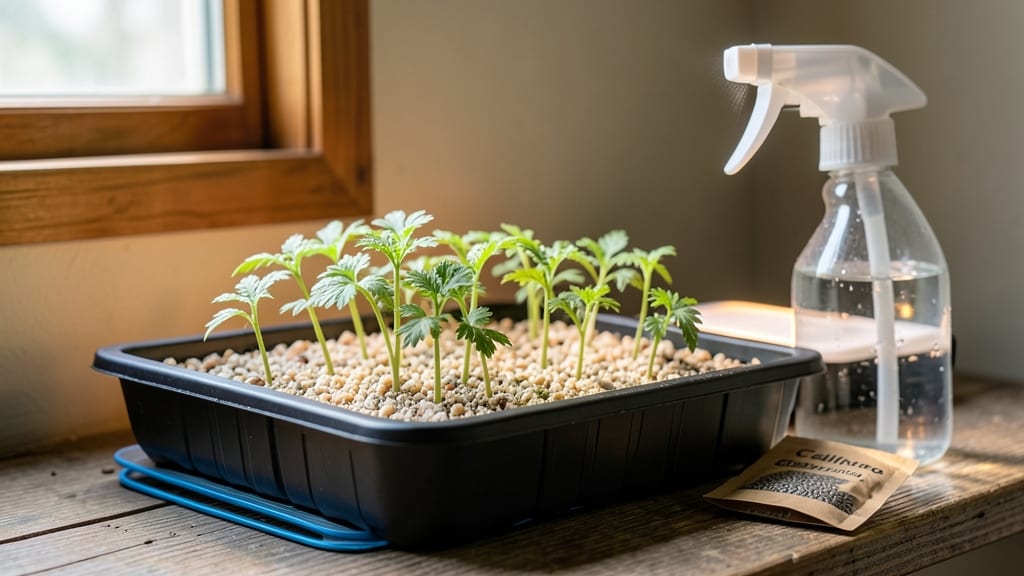
Growing poppies from seed indoors delivers fast, twist-free blooms that outshine store-bought flowers—if you crack the germination code. 🌸 I’ve watched these delicate stems shoot from soil to 3-foot giants in just 8 weeks, and the secret lies in the first 10 days after planting.
Most beginners overwater or rush the process, but patience here means the difference between leggy flops and sturdy stems ready for the garden.
The trick starts with light, not heat. Poppy seeds need cool soil (60-65°F) and bright, indirect light—no grow lights yet. Too much warmth or darkness triggers that dreaded "damping off" or spindly growth.
Use a clear plastic dome or seal a baggie over the tray to trap humidity, then place it near a sunny window (south-facing is ideal). Check soil moisture daily—it should feel like a damp sponge, not a swamp.
By week 3, you’ll see those first paper-thin leaves unfurl, and by week 5, seedlings will be ready to harden off. The payoff? Poppies that bloom earlier than store-bought plants and resist the twisting stems caused by uneven light.
Transplant them outdoors after the last frost, and you’ll have bold, cup-shaped blooms by early summer—far more dramatic than anything you’d buy.
This method works for all poppy types—California poppies, oriental poppies, even the rare Icelandic poppy—so long as you follow the cool soil, bright light rule. Skip the fancy setups; a sunny windowsill and a spray bottle are all you need. Let’s get those seeds started right.
📚 In This Guide
- What you need
- Instructions
- Tips and common mistakes
- Wrapping up and next steps
What you need
- ● Poppy seeds: Choose Papaver somniferum (opium poppy) or Papaver rhoeas (corn poppy) for vibrant blooms. Buy 1–2 packets (50–100 seeds) for a small batch.
- ● Seed-starting mix: Use a sterile, well-draining potting mix (avoid garden soil—it’s too dense!). A 10–12 inch tray (or 4–6 small pots) works for 50 seeds.
- ● Containers: Seed trays with cell packs (2–3 inch deep) or
- ● Small pots (3–4 inch diameter) with drainage holes.
- ● Grow lights or sunny windowsill: Poppies need 12–16 hours of light daily. A full-spectrum LED grow light (12–24 inches above seedlings) is ideal.
- ● Misting bottle or spray nozzle: Keeps seeds moist without drowning them.
- ● Plastic wrap or humidity dome: Creates a mini greenhouse to retain moisture.
- ○ Fertilizer (optional but helpful): A balanced liquid fertilizer (5-5-5 or 10-10-10) diluted to half-strength.
- ● Fish emulsion or compost tea for organic growth.
- ● Fine-tip tweezers: For delicate seed placement (poppy seeds are tiny!).
- ○ Heat mat (optional): Speeds up germination if your home is below 65°F (18°C).
- ● Fungicide (like neem oil or hydrogen peroxide): Prevents damping-off disease in humid conditions.
- ● Plant labels & marker: Track varieties (poppies look similar at first!).
- ● Pruning shears: For future thinning or transplanting.
Step-by-step instructions for growing poppies from seed indoors
Here’s how to break the germination code for poppies—no more waiting months for stubborn sprouts.
🌱 Step 1: Stratify Seeds for Faster Germination
Poppy seeds need a cold period to break dormancy, and doing this indoors saves weeks. Place your seeds in a ziplock bag with a damp paper towel, seal it, and refrigerate for 2-4 weeks. Check weekly—they should stay moist but not soggy. This mimics winter’s natural chilling, tricking seeds into thinking spring has arrived.
I like to label the bag with the date so I don’t forget. After 2 weeks, test one seed by placing it on a damp paper towel in a warm spot. If it sprouts within 3-5 days, the rest are ready to plant. If not, return the bag to the fridge for another week—patience here pays off with faster, more uniform germination.
💧 Step 2: Sow Seeds in Light, Airy Soil
Use a sterile seed-starting mix (never garden soil—it’s too dense and can harbor fungi). Fill 2-3 inch deep containers with the mix, leaving ½ inch of space below the rim. Poppy seeds are tiny, so I sprinkle them directly onto the surface—no need to bury them. A light press with your finger ensures contact with the soil.
Mist the soil gently with a spray bottle until it’s damp but not wet. Poppy seeds need moisture without suffocation. Cover the container loosely with plastic wrap to retain humidity, but prop it open slightly to allow airflow. This prevents mold while keeping the seeds cozy. Place the container in a warm spot (65-75°F)—a seedling heat mat speeds things up.
☀️ Step 3: Provide Bright, Indirect Light Immediately
Poppy seedlings hate being moved once they sprout, so position your container near a south-facing window or under grow lights from day one. If using natural light, a sunny windowsill works, but rotate the container quarter-turn daily so seedlings don’t stretch toward the glass. You’ll see first true leaves in 7-14 days—they’ll look like tiny maple leaves.
Here’s the thing—poppies will germinate in dim light, but they’ll grow leggy and weak. If your seedlings stretch toward the light with long, thin stems, move them within 2 inches of the light source. Strong seedlings have bold green leaves and compact growth. Avoid overhead watering now—bottom-watering keeps the soil evenly moist without disturbing the delicate sprouts.
✂️ Step 4: Thin Seedlings and Harden Off
Once seedlings have 2-3 sets of true leaves, thin them to 1 plant per container using scissors (pulling risks damaging roots). Poppies resent crowding, and thinning now prevents competition. Transplant carefully, burying stems up to the first set of leaves—this encourages stronger root growth. Water lightly after thinning to settle the soil.
Two weeks before your last frost date, start hardening off seedlings. Place them outside in a shaded, sheltered spot for 1-2 hours the first day, gradually increasing time over 10 days. Watch for wilting—if leaves droop, they’re not ready. Poppies thrive in full sun, but direct exposure too soon causes stress. By the time they’re hardened off, they’ll be stocky and vibrant, ready to bloom in 6-8 weeks.
Tips & tricks for perfect indoor poppy germination
These little-known tricks will help you skip the waiting game and get those delicate poppy sprouts popping like clockwork.
Cold Treatment Precision: The 2-4 week refrigeration period is non-negotiable for breaking poppy seed dormancy, but here's the secret: use a crisp produce drawer in your fridge (around 34-38°F) rather than the main compartment. This mimics natural winter conditions more accurately. I also wrap the ziplock bag in a second plastic bag to prevent any potential fridge odors from seeping in—poppy seeds are sensitive to chemical smells like onions or apples.
Germination Test Strategy: When testing that first seed after 2 weeks, place it on a paper towel folded into a triangle rather than flat. This creates better airflow around the seed while keeping it moist. If you're impatient, you can gently warm the test setup by placing it on top of your fridge for 12 hours—this can speed germination by 24 hours without compromising the main batch's cold treatment.
Soil Moisture Balance: After sowing, the key is maintaining that "wrung-out sponge" moisture level in your seed-starting mix—neither soggy nor bone-dry. I use a spray bottle with a fine mist setting and apply just until water runs out the bottom of the container. For extra insurance, place the container on a tray of pebbles with shallow water underneath. This creates humidity from below without risking root rot from sitting water.
Light Source Hack: If you don't have a south-facing window, a full-spectrum LED grow light on a 12-hour timer works wonders. Position it 6 inches above the seedlings and adjust as they grow. For natural light alternatives, a skylight window or even a well-lit bathroom with a mirror angled to reflect sunlight can work in a pinch—just rotate the container daily to prevent uneven growth.
Pro Tips for Grow Poppies From Seed Indoors
- These little-known tricks will help you skip the waiting game and get those delicate poppy sprouts popping like clockwork.
- This mimics natural winter conditions more accurately.
- Germination Test Strategy: When testing that first seed after 2 weeks, place it on a paper towel folded into a triangle rather than flat.
Frequently asked questions
Got questions about growing poppies from seed indoors? You’re not alone—these delicate blooms can be tricky! Here are answers to the most common concerns to help you avoid frustration and enjoy lush, twist-free poppies.
How long does it take for poppy seeds to germinate indoors?
Poppy seeds typically germinate in 7–14 days when kept warm (70–75°F) and moist. Patience is key! Avoid overwatering, which can cause rot. If seeds don’t sprout in 2 weeks, gently recheck the soil—some varieties (like Papaver somniferum) may take longer. A heat mat speeds things up!
Can I grow poppies indoors without a grow light?
Yes, but expect leggy, weak seedlings. Place trays near a south-facing window for 6+ hours of sunlight daily. If natural light is lacking, supplement with a basic LED grow light (12–14 hours/day). Poppies thrive with bright light—skimp, and you’ll get sad, stretched stems.
Why are my poppy seedlings twisting or leaning?
Twisting (called hyponasty) happens when seedlings don’t get enough light or are crowded. Fix it fast:
- Move trays to a brighter spot immediately.
- Thin seedlings to 1 inch apart to reduce competition.
- Rotate pots daily so all sides get even light.
What’s the best indoor poppy variety for beginners?
Start with easygoing annuals like:
- Papaver rhoeas (Corn Poppy) – Hardy, fast-growing, and drought-tolerant.
- Papaver nudicaule (Iceland Poppy) – Bright colors, compact, and less prone to twisting.
- Papaver somniferum (Opium Poppy) – Dramatic blooms, but needs more warmth (75°F+).
How often should I water indoor poppy seeds?
Keep soil consistently moist but not soggy—poppy seeds rot easily! Water from the bottom (place trays in shallow water for 10 mins) to avoid disturbing seeds. Once sprouted, water when the top inch of soil feels dry (usually every 2–3 days). Overwatering is the #1 killer of young poppies.
Can I transplant poppy seedlings too soon?
Wait until seedlings have 2–3 true leaves (not just cotyledons) and are at least 2–3 inches tall. Poppies hate root disturbance, so:
Rushing leads to stunted growth or death—go slow!
Wrapping up and next steps
Growing poppies from seed indoors is a rewarding journey—just remember, patience and consistency are your best friends!
With the right light, soil, and a little TLC, you’ll soon be greeted by vibrant blooms that’ll make your indoor garden shine. 🌸 Once your seedlings sprout and thrive, the next exciting step? Transplanting them outdoors (or keeping them indoors with bright light) to watch them reach their full, majestic potential.
Now that you’re armed with these germination tricks, go ahead and give it a try—your future poppy patch is waiting! 🌱