Planting
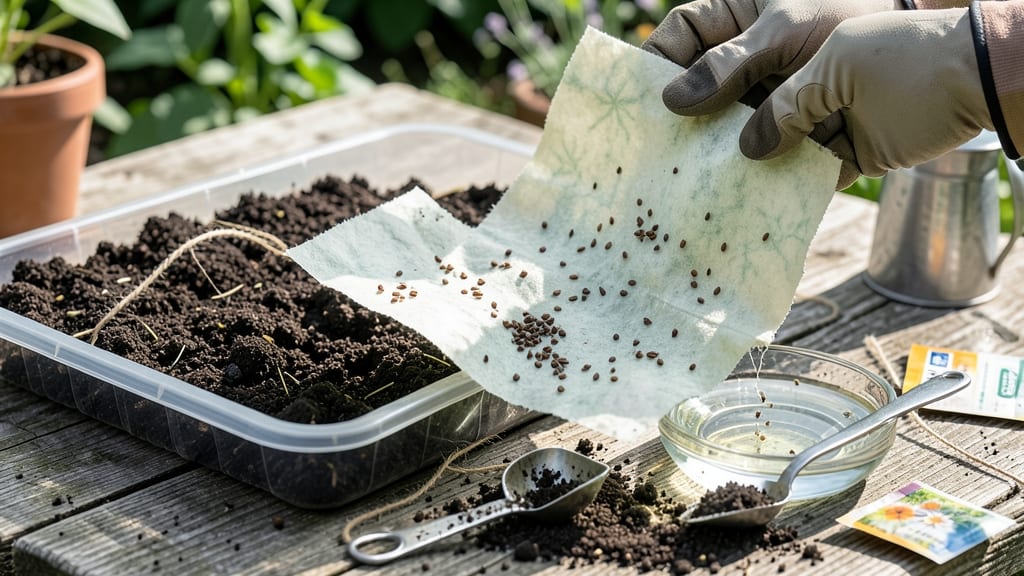
Planting wildflower seed paper transforms bare spots into vibrant meadows with just a sprinkle of water. 🌿 I’ve used these paper seeds in my own garden, and the results—wild, colorful blooms—are nothing short of magical without the fuss of traditional planting.
The best part? No digging, no mess, and no need for perfect timing. You’ll need a sunny patch (at least 6 hours of light daily), a light hand, and a watering can. Simply tear the paper into smaller pieces, place it seed-side down on prepared soil, and mist it gently.
Within weeks, delicate sprouts will emerge, and by summer, you’ll have a pollinator paradise. The paper dissolves naturally, leaving only seeds to grow. By mid-summer, you’ll be rewarded with a riot of color—purples, yellows, and whites—that stays vibrant with minimal care.
Native wildflowers also support bees, butterflies, and birds, turning your garden into an eco-friendly haven. The best results come from planting in early spring or fall, when soil is moist but not soggy. This method works for balconies, window boxes, or large garden beds.
Even in drought-prone areas, these hardy seeds thrive with just occasional watering. Ready to skip the soil and start growing? Let’s get those blooms going!
📚 In This Guide
- What you need
- Instructions
- Tips and common mistakes
- Wrapping up and next steps
What you need
- ● Wildflower seed paper – Choose a size that fits your space (e.g., 3"x5" sheets for small pots or larger sheets for ground planting). Opt for native wildflower blends for best results!
- ● Water – A spray bottle (for precision) or a watering can (for larger areas). Aim for gentle moisture—no drowning!
- ● Planting surface – A small pot, garden bed, or even a hanging planter. Ensure it has well-draining soil or a soil mix with compost.
- ○ Optional soil mix – If planting in containers, use a lightweight potting mix (e.g., 50% peat/coir + 50% perlite or vermiculite).
- ● Scissors or knife – For cutting seed paper to fit your space (if needed).
- ● Mulch or straw – Lightly cover seeds with a thin layer (¼ inch max) to retain moisture.
- ● Plant labels – Mark varieties if you’re testing different wildflower mixes.
- ● Glove or tweezers – For handling delicate seed paper without tearing.
- ● Sunlight tracker – Note your space’s sunlight exposure (most wildflowers thrive in full sun, 6+ hours/day).
Step-by-Step instructions for planting wildflower seed paper
Here's how to transform your space into a vibrant wildflower meadow—no messy seeds or complicated prep!
🌱 Step 1: Choose Your Planting Location
Wildflower seed paper thrives in areas with 4-6 hours of sunlight daily, but most varieties tolerate partial shade. I always scout the spot first—look for well-draining soil where water pools won't linger after rain. If you're planting in containers, ensure they have drainage holes to prevent soggy roots.
For ground planting, mark your area with a hose or garden twine to visualize the design. Seed paper blooms best when planted in groups of 4-6 sheets—this mimics natural wildflower clusters and creates a lush, continuous look. Avoid high-traffic areas where foot traffic might disturb the delicate young plants.
💧 Step 2: Prepare the Soil or Surface
If planting directly into soil, lightly rake the area to create a smooth, even surface. You don't need to till deeply—wildflowers grow best in undisturbed soil. For containers, fill them with well-draining potting mix (never garden soil) and press it down gently to remove air pockets.
Here's the thing—wildflower seed paper sticks best to slightly damp surfaces. If your soil feels dry, mist it lightly with water until the top inch feels moist but not saturated. For containers, I like to water the soil first, then wait 10-15 minutes before planting to let excess moisture drain away.
☀️ Step 3: Plant the Seed Paper
Peel back the backing of your seed paper (if it has one) or gently unfold it if it's pre-moistened. Press the paper firmly onto the prepared soil or container surface, smoothing out any wrinkles with your fingers. The adhesive side should face down—this ensures the seeds stay in place while they germinate.
For a natural look, overlap sheets slightly at the edges. If you're planting in a pattern, use a ruler to keep straight lines or freehand for a more organic feel. Water the planted area lightly with a spray bottle until the paper feels damp through—but don't soak it. You'll see the paper darken slightly as it absorbs moisture.
🌿 Step 4: Water and Maintain Until Germination
Keep the planted area evenly moist for the first 7-10 days—this is critical for germination. I use a spray bottle to water gently, avoiding direct streams that could dislodge the paper. You'll know moisture is right when the soil feels damp 1 inch below the surface, but not soggy.
Once seedlings emerge (usually 10-21 days after planting), reduce watering to 2-3 times per week, allowing the top inch of soil to dry between waterings. Wildflowers are drought-tolerant once established, but young plants need consistent moisture. Watch for first true leaves—they'll appear as tiny, delicate green shoots pushing through the paper.
⏰ Step 5: Encourage Blooms and Enjoy the Show
After 4-8 weeks, you'll start seeing color as flowers begin to open. This is the moment that matters! To prolong blooming, deadhead spent flowers by gently snipping them with scissors. For ground plantings, leave some seed heads to self-seed and create next year's display naturally.
Wildflower seed paper is incredibly low-maintenance—once established, it thrives with minimal care. If you planted in containers, you can enjoy the blooms for 2-3 years before refreshing the soil. For ground plantings, the seeds will often reseed themselves, creating a self-sustaining meadow. Real talk: You won't believe how easy it is to get these effortless blooms!
Tips & tricks for planting wildflower seed paper
These simple tricks will help you create a stunning wildflower display with zero fuss—no gardening experience needed!
Location is Everything: I can't stress this enough—your wildflowers will thrive best in areas with 4-6 hours of sunlight daily. If you're unsure about sunlight exposure, test the spot first: place a small object in the sun at noon for 4 hours. If it stays warm, it's perfect! For containers, position them where they'll get morning sun and afternoon shade to prevent overheating.
The Soil Prep Secret: When preparing your surface in Step 2, think "light and loose" rather than tilled. Wildflowers hate compacted soil, so if you're planting in ground, just scratch the surface with a rake—no deep digging required. For containers, I like to mix in a handful of perlite to the potting mix to ensure that well-draining quality we need. This prevents soggy roots that can kill seedlings before they even sprout!
Planting Precision: In Step 3, when pressing down your seed paper, focus on creating a snug fit without stretching. The adhesive needs to make full contact with the soil to hold seeds in place during germination. For ground planting, I find using a small rolling pin (or even a water bottle) helps press the paper firmly into place—especially in windy conditions. And remember, those groups of 4-6 sheets create the most natural, lush look!
Watering Wisdom: The 7-10 day even moisture window is your critical period. I set a reminder on my phone for daily misting sessions—just enough to keep the top inch damp. Pro tip: Use a spray bottle with a fine mist setting to avoid dislodging the paper. Once you see those first true leaves (usually 10-21 days in), you can ease up to 2-3 times per week—your wildflowers will thank you with vibrant blooms!
Pro Tips for Plant Wildflower Seed Paper
- These simple tricks will help you create a stunning wildflower display with zero fuss—no gardening experience needed!
- Location is Everything: I can't stress this enough—your wildflowers will thrive best in areas with 4-6 hours of sunlight daily.
- The Soil Prep Secret: When preparing your surface in Step 2, think "light and loose" rather than tilled.
Frequently asked questions
Got questions about planting wildflower seed paper? We’ve got answers! Here are some of the most common queries to help you get started with confidence.
Can I plant wildflower seed paper in containers or just the ground?
While seed paper is often planted directly into soil, you can also use containers like pots, window boxes, or even hanging baskets. Just ensure the container has drainage holes and is at least 6 inches deep. For best results, use well-draining potting mix and keep it moist until germination.
How long does it take for wildflower seed paper to bloom?
Most wildflower seed paper varieties bloom within 6 to 12 weeks after planting, depending on the species and growing conditions. Some fast-growing flowers, like cosmos or zinnias, may surprise you with blooms in as little as 4-6 weeks! Patience is key—early stages focus on root and leaf growth before flowers appear.
What should I do if my seed paper doesn’t germinate?
If your seed paper isn’t sprouting after 2-3 weeks, check these troubleshooting steps:
- Moisture: Keep the soil consistently moist but not soggy. Seed paper needs steady hydration to activate.
- Sunlight: Ensure the planting area gets at least 4-6 hours of sunlight daily—some wildflowers thrive in full sun.
- Temperature: Most seeds germinate best in soil temperatures between 60–75°F (15–24°C). If it’s too cold, wait until spring.
- Patience: Some wildflower seeds take longer to germinate, especially native varieties.
Can I plant wildflower seed paper in fall for spring blooms?
Yes! Fall planting is a great strategy for many wildflower species, especially in regions with mild winters. Plant seed paper 4–6 weeks before the first frost to allow seeds to establish roots. The cold stratification (natural winter chilling) can even improve germination rates. Just avoid planting too early—soil should still be workable.
Is wildflower seed paper biodegradable? What happens when it decomposes?
Yes, wildflower seed paper is fully biodegradable and designed to dissolve naturally as roots grow. Once planted, the paper breaks down within a few weeks to a couple of months, leaving no trace behind. The seeds embedded in the paper will sprout and grow into vibrant wildflowers, while the paper enriches the soil with organic matter.
Will wildflower seed paper attract bees or pests?
Wildflower seed paper is excellent for pollinators like bees, butterflies, and hummingbirds! The blooms provide nectar and habitat, supporting local ecosystems. As for pests, wildflowers are generally low-maintenance and resistant to many common garden pests. However, keep an eye out for aphids or slugs—handpick or use organic sprays if needed.
Wrapping up and next steps
Planting wildflower seed paper is a joyful, eco-friendly way to bring vibrant blooms to your garden with minimal effort! 🌸 Just follow the simple steps—soak, press, and watch nature do the rest. Whether you’re a beginner or a seasoned gardener, this method is quick, mess-free, and rewarding.
Now that you’re ready to transform your space, take the next step: choose your favorite wildflower seed paper and start planting! Share your blooming success with fellow gardeners—your green thumb (or just your enthusiasm!) will inspire others to try it too. Happy growing! 🌿✨