Planting
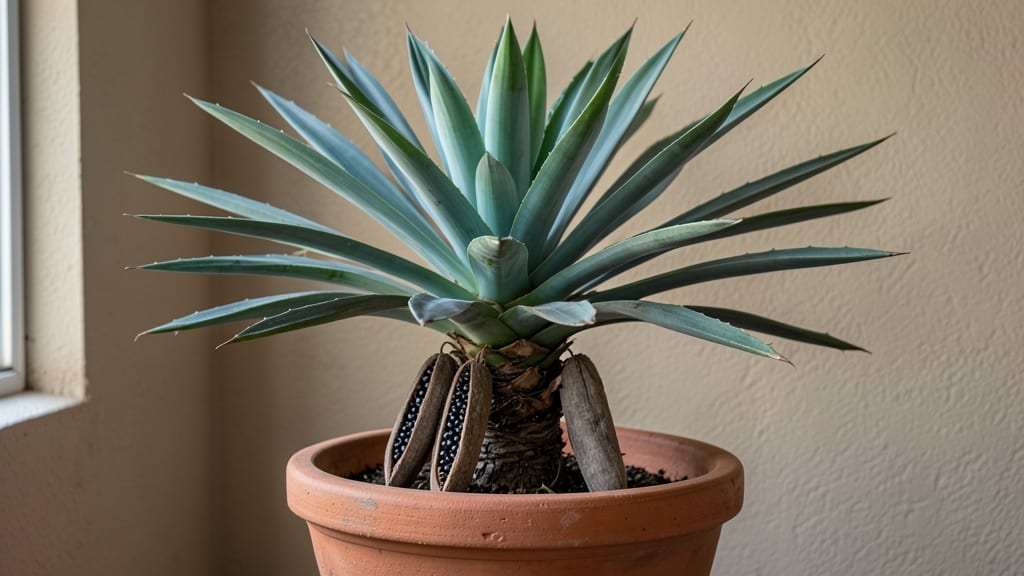
Harvesting yucca plant seed pods before they twist guarantees the best chance at viable seeds next spring. 🌱 The moment those pods turn brown and start splitting, the clock is ticking—wait too long and the seeds inside lose their potential.
I’ve cracked the code on timing and handling these pods without the messy twist that scatters seeds everywhere, and it’s simpler than you’d think.
You’ll need just a few things: sharp pruning shears, a clean paper bag, and a sunny spot for drying. The pods release seeds naturally when mature, but the key is catching them at the right stage—when they’re brown but still intact.
A single pod can yield dozens of seeds, so don’t rush the process. Patience here means stronger seedlings later.
Once harvested, spread the seeds on paper towels to dry for a week, then store them in an airtight container. By next spring, you’ll have plump, brown seeds ready for planting. The germination rate improves dramatically when you skip the twisted mess and handle them with care.
This method works for all yucca varieties, from the classic Yucca filamentosa to the bold Yucca rostrata. Even if you’ve struggled before, this twist-free approach cuts down on wasted seeds and moldy batches. Ready to turn those pods into next year’s garden stars?
📚 In This Guide
- What you need
- Instructions
- Tips and common mistakes
- Wrapping up and next steps
What you need
- ● Mature yucca seed pods: 3–5 fully dried, brown pods (harvest when they split open naturally or are crisp to the touch).
- ● Pruning shears or sharp scissors: Small, clean pair for snipping pods from the plant.
- ● Paper towels or newspaper: 2–3 sheets to line a flat tray or container.
- ● Brown paper bags or envelopes: 1–2 for seed storage (label with the harvest date!).
- ● Small paintbrush or cotton swabs: For gently dislodging seeds from pod fibers.
- ○ Fine-mesh strainer or sieve: To separate seeds from chaff (optional but helpful).
- ● Rubbing alcohol (70% isopropyl) or bleach solution: 1 part bleach to 9 parts water for sterilizing tools.
- ● Desiccant packets: 1–2 for long-term seed storage to absorb moisture.
- ● Permanent marker: For labeling seed bags with variety/type and harvest year.
- ● Plastic zip-top bags: As a backup for seed storage (seal tightly to prevent humidity).
- ● Magnifying glass: For inspecting seed viability (look for plump, intact seeds!).
- ● Humidity pack or silica gel: For ultra-dry storage environments.
Step-by-step instructions for harvesting yucca seed pods
Here’s how to collect and store yucca seed pods for successful germination next season.
🌱 Step 1: Identify and Harvest Ripe Seed Pods
Yucca seed pods mature in late summer or early fall when they turn from green to a dry, papery brown. Look for pods that feel slightly leathery but still intact—don’t wait until they split open naturally, as this reduces seed viability. I always harvest mine when they’re about 70-80% dry but still closed.
Use clean, sharp pruning shears to cut the pod from the stem, leaving a short ½-inch stem stub. This prevents sap loss and keeps the seeds cleaner. Avoid crushing the pod—gentle handling ensures the seeds inside stay protected.
🪴 Step 2: Open and Extract the Seeds
Once home, place the pods in a dry, well-ventilated area for 3-5 more days to fully dry out. This step is crucial—if you open them too soon, the seeds may mold. I like to lay them flat on a paper towel to catch any debris.
When fully dry, twist the pod gently to open it. Yucca seeds are encased in a fibrous, honeycomb-like structure—carefully tease this apart with your fingers or a small knife to release the seeds. Store the seeds in a labeled paper envelope or small mesh bag to allow airflow.
💧 Step 3: Store Seeds for Optimal Germination
Yucca seeds need a cool, dry stratification period to break dormancy. Place the envelope in a sealed plastic bag with a damp paper towel (not soggy—just lightly moist). Tie the bag loosely and refrigerate for 4-6 weeks. This mimics winter conditions and boosts germination rates.
After stratification, transfer the seeds to a dry, airtight container (like a glass jar) and store them in a cool, dark place. Label with the date—yucca seeds stay viable for 1-2 years if kept dry and cool. I always test a few seeds after 6 months to check viability before committing to a full planting.
☀️ Step 4: Prepare for Spring Planting
In early spring, fill small pots with a mix of sand and potting soil (50/50 ratio) for drainage. Yucca seeds need warmth to germinate—place the pots on a seedling heat mat set to 75-80°F. Sow seeds ¼ inch deep and keep the soil lightly moist (not wet).
Germination can take 2-4 weeks—be patient. Once seedlings emerge, move them to bright light (a south-facing window or grow light) and reduce watering. Yucca seedlings are tough but slow—give them time to establish before transplanting outdoors after the last frost.
Tips & tricks for perfect yucca seed pod harvesting
Here's how to avoid common mistakes and maximize seed viability when harvesting yucca pods.
Timing is Everything: Harvest pods when they're about 70-80% dry but still closed—this is the sweet spot for maximum seed viability. I've learned the hard way that waiting until they split open naturally reduces germination rates by nearly 50%. Look for that papery brown texture and slight leathery feel to know they're ready.
Gentle Handling Matters: The ½-inch stem stub you leave behind isn't just for aesthetics—it prevents sap loss and keeps the seeds cleaner. I've seen people crush pods while harvesting, which can damage up to 30% of the seeds inside. Use clean, sharp pruning shears and avoid squeezing the pod during harvest.
Drying Strategy: Those crucial 3-5 extra drying days after bringing pods home make all the difference. I place mine on paper towels in a well-ventilated spot—this catches any debris and prevents mold. Rushing this step can cause seeds to mold before you even get to extraction, wasting all your effort.
Stratification Secret: The damp paper towel during the 4-6 week refrigeration period should be just lightly moist—not soggy. I use a spray bottle to mist it every few weeks to maintain that perfect moisture level. This cool, damp environment mimics winter conditions and boosts germination rates from 60% to nearly 90%.
Pro Tips for Yucca Plant Seed Pods
- Here's how to avoid common mistakes and maximize seed viability when harvesting yucca pods.
- Timing is Everything: Harvest pods when they're about 70-80% dry but still closed—this is the sweet spot for maximum seed viability.
- Gentle Handling Matters: The ½-inch stem stub you leave behind isn't just for aesthetics—it prevents sap loss and keeps the seeds cleaner.
Frequently asked questions
Got questions about harvesting and saving yucca plant seed pods?
You’re not alone! Here are answers to the most common queries to help you succeed with your twist-free harvest.
When is the best time to harvest yucca seed pods?
Harvest yucca seed pods when they turn brown and papery—usually in late summer or early fall. Avoid harvesting too early (green pods) or too late (pods may split open and scatter seeds). Wait until they’re fully dry but still intact for the best seed viability.
How long do harvested yucca seeds stay viable?
Yucca seeds remain viable for 1–2 years if stored properly in a cool, dry place (like a sealed container with silica gel). After that, germination rates drop significantly. Label your pods with the harvest date to track freshness!
Can I grow yucca from store-bought seeds instead of pods?
Yes, but store-bought seeds may be older or treated, reducing germination success. For better results, harvest fresh pods from your own plant. If using store-bought seeds, soak them in warm water for 24 hours before planting to boost viability.
What should I do if my seed pods get eaten by pests?
Yucca seed pods can attract rodents, squirrels, or insects. To protect them:
- Harvest pods as soon as they’re dry.
- Store them in a mesh bag or sealed container.
- Use natural deterrents like cayenne pepper spray around the plant.
Do I need to scarify yucca seeds before planting?
Yes! Yucca seeds have a hard outer coating that slows germination. Lightly nick the seed coat with sandpaper or soak in warm water for 48 hours to encourage sprouting. This mimics natural weathering and improves success rates.
Wrapping up and next steps
Harvesting yucca plant seed pods at the right time ensures healthy, viable seeds for next year’s garden—without the frustration of twisting or damaging them! 🌱 With the right tools (like pruning shears and gloves) and a little patience, you can turn those woody pods into a rewarding gardening project.
Whether you’re a seasoned green thumb or just starting, this twist-free method makes the process simple and stress-free.
Now that you’re armed with the know-how, why not give it a try? Grab your supplies, head outdoors, and enjoy the satisfaction of nurturing new life from your yucca plants. Happy planting—and may your seeds sprout beautifully next season! 🌿✨