Lawn
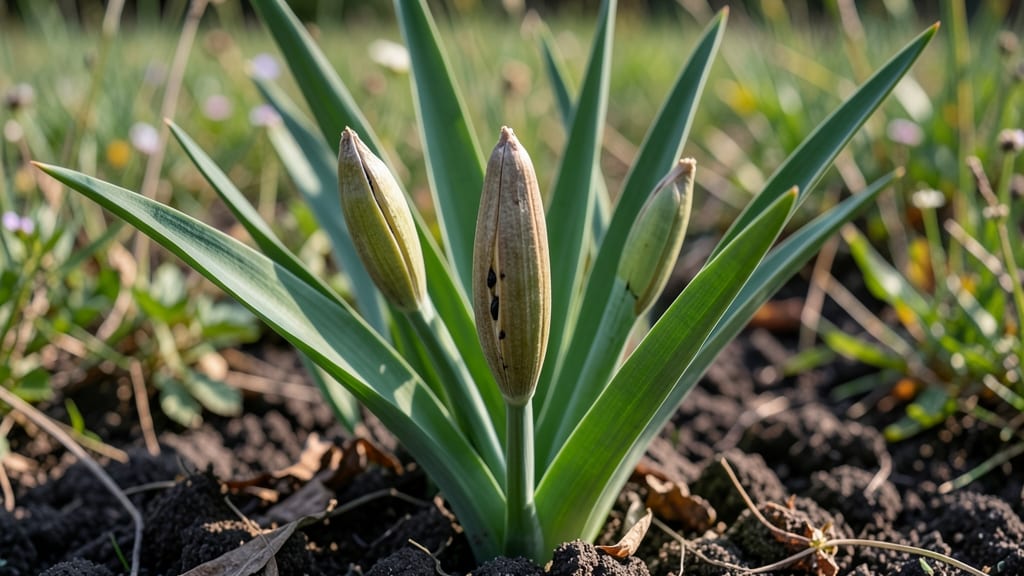
Harvesting Louisiana iris seed pods before they twist is the secret to viable seeds that grow into robust plants. 🌿 Unlike other irises, these pods stay upright longer, giving you a longer window to collect seeds—something I learned the hard way after watching mine snap shut too early.
The key moment arrives in late summer, when pods turn from green to brown but haven’t yet twisted. Cut them carefully with clean scissors, leaving the stem attached to keep seeds intact.
Louisiana irises produce seeds that germinate more reliably than many other varieties, but timing is everything—wait too long, and the pods release seeds on their own. Once inside, gently squeeze the pods to release the plump, dark seeds.
Plant them immediately in moist potting mix, or store them in a cool, dry place until spring. Seedlings emerge in 4-6 weeks, and with patience, you’ll have irises that thrive in Louisiana’s heat and humidity better than store-bought plants. Common mistakes? Overhandling pods or planting too deep—both reduce germination.
Louisiana irises also handle partial shade better than their showy cousins, making them perfect for low-light spots. Let’s get those seeds growing!
📚 In This Guide
- What you need
- Instructions
- Tips and common mistakes
- Wrapping up and next steps
What you need
- ● Louisiana iris plants: Healthy, mature plants (at least 2–3 years old) with visible seed pods. Aim for 3–5 plants to ensure a good yield.
- ● Pruning shears or sharp scissors: Sterilized tools to avoid spreading disease (e.g., Felco F-2 or Bypass pruners).
- ● Paper bags or breathable mesh sacks: 5–10 bags (1–2 gallons each) to collect pods and allow airflow.
- ● Labeling tags or markers: To note pod collection dates (critical for tracking maturity!).
- ○ Gloves (optional but recommended): Lightweight gardening gloves to protect hands from thorns or sap.
- ● Small hand trowel: For gently loosening soil around the base of plants if pods are buried.
- ● Spray bottle with water: To mist pods and keep them moist during transport.
- ● Notebook or app (e.g., Gardenate): To log pod development stages and germination notes.
- ○ Seed-starting mix (optional): 1–2 small containers (4–6 inches deep) for immediate sowing if desired.
- ○ Humidity dome or plastic wrap (optional): To create a mini greenhouse for fresh pods.
- ● Wait until pods are fully brown and dry (typically late summer to early fall in Louisiana’s climate). 💡 Pro tip: Twist pods gently—if seeds rattle inside, they’re ready!
- ● Choose a dry, overcast day to harvest (prevents pods from cracking prematurely).
- ● Ensure your workspace is clean and shaded to avoid heat stress on seeds.
Step-by-Step instructions for harvesting Louisiana iris seed pods
Here's how to collect healthy, twist-free seed pods without damaging your iris plants.
🌱 Step 1: Identify and Locate Mature Seed Pods
Louisiana iris seed pods typically appear after blooming season, usually in late summer to early fall. Look for long, slender pods that form where the flower stalk meets the plant—these are your targets. Healthy pods will feel firm and slightly leathery to the touch, not soft or mushy. I check my plants weekly after blooming ends, since pods mature quickly once formed.
Don't harvest pods that are still green or have a waxy coating—they're not ready. You'll know they're mature when they turn a dull brown color and start developing visible seams down their length. This usually happens about 6-8 weeks after flowering, but timing varies based on your local climate.
✂️ Step 2: Harvest Pods at the Right Stage
Cut pods when they're fully brown but before they split open naturally. Use clean, sharp pruners to snip the pod from the stalk, leaving about ½ inch of stem attached. This prevents the plant from wasting energy on an empty pod. I always sterilize my pruners with rubbing alcohol between cuts to prevent disease spread.
Harvest on a dry morning after dew has evaporated. Wet pods can develop mold during storage, and you want seeds that are completely dry before processing. Place harvested pods in a paper bag—this allows airflow while keeping them contained. Avoid plastic bags, which trap moisture and encourage rot.
🪴 Step 3: Dry and Prepare Pods for Seed Extraction
Spread the harvested pods in a single layer on a mesh screen or clean towel in a dry, shaded area with good airflow. Keep them out of direct sunlight, which can cause pods to overheat and crack prematurely. I use a small fan on low setting to circulate air gently—this speeds drying without creating drafts that might damage the pods.
Drying takes about 2-3 weeks, depending on humidity levels. You'll know they're ready when the pods rattle when shaken (indicating dry seeds inside) and feel completely light in your hand. If any pods develop mold or soft spots during drying, remove them immediately to prevent spoilage of the entire batch.
🌿 Step 4: Extract and Store Viable Seeds
Once pods are completely dry, gently squeeze each one between your fingers over a clean white sheet of paper. The seeds will pop out easily—you're looking for plump, dark seeds that feel firm to the touch. Discard any seeds that are shriveled, hollow-sounding, or have visible damage. I find that Louisiana iris seeds are typically ¼ to ½ inch long when mature.
Store the viable seeds in an airtight container with a desiccant packet to absorb moisture. I use small glass jars with tight-fitting lids, labeling each with the harvest date and iris variety. Keep seeds in a cool, dark place—your refrigerator's crisper drawer works perfectly. Properly stored, Louisiana iris seeds remain viable for 2-3 years, though germination rates decline after the first year.
⏰ Step 5: Plant or Store for Future Use
If you're ready to plant immediately, sow seeds in a well-draining mix in 2-3 inch deep containers. Press them just below the surface—don't cover them with soil, as they need light to germinate. Keep the mix consistently moist but never soggy, and place containers in a warm spot (70-75°F) with bright, indirect light.
Seeds typically germinate in 4-8 weeks, though some may take longer. Be patient—Louisiana iris seeds have a variable germination rate. If you're not planting right away, store the seeds as directed above. Remember that fresh seeds always have the highest germination rates, so try to plant them within 6 months of harvest for best results.
Tips & tricks for Louisiana iris seed pod harvesting
Avoiding common pitfalls makes all the difference when harvesting Louisiana iris seed pods. Here's what I've learned from years of trial and error in my own garden.
Timing is Everything: The 6-8 week window after flowering is critical for harvesting mature pods. I've found that checking plants every 5-7 days during this period ensures you catch pods at their perfect stage—neither too green nor already splitting. Use a small magnifying glass to inspect for those subtle brown seams that signal readiness.
Harvesting Technique: In Step 2, when cutting pods, always leave that ½ inch of stem attached—it's not just about aesthetics. The stem connection helps preserve the pod's structural integrity during drying. I also recommend using a pair of pruners with a slight curve; they make it easier to reach pods without damaging the plant's foliage or stems.
Drying Strategy: The 2-3 week drying period in Step 3 can be tricky if humidity is high. If you notice condensation forming on your pods during drying, move them to a warmer location or use a small dehumidifier. I've had success placing a small fan on low setting near the drying area—it creates gentle airflow without creating drafts that could damage the pods.
Seed Quality Check: When extracting seeds in Step 4, look for three key characteristics: dark color, firm texture, and a healthy weight. I've learned to gently tap mature pods on the counter before squeezing—they should make a hollow sound when ready. Discard any seeds that feel light or make a rattling noise when shaken, as these are likely empty or damaged.
Pro Tips for Louisiana Iris Seed Pods
- Avoiding common pitfalls makes all the difference when harvesting Louisiana iris seed pods.
- Timing is Everything: The 6-8 week window after flowering is critical for harvesting mature pods.
- Harvesting Technique: In Step 2, when cutting pods, always leave that ½ inch of stem attached—it's not just about aesthetics.
Frequently asked questions
Got questions about harvesting Louisiana iris seed pods? You’re not alone! Here are some of the most common inquiries—and their straightforward answers—to help you navigate the process like a pro.
When is the best time to harvest Louisiana iris seed pods?
Timing is everything! Harvest the pods when they’ve just turned brown and dried out—usually late summer to early fall (August–October in Louisiana’s climate). If left too long, they’ll split open on their own, scattering seeds unpredictably. Aim for 60–70% dryness for the best results.
What do I do if my Louisiana iris pods won’t dry properly?
If humidity or rain keeps your pods damp, try these tricks:
- Move them indoors to a dry, well-ventilated spot (like a mesh bag under a fan).
- Use a dehumidifier or silica gel packets if your climate is persistently sticky.
- Check for pests—weevils or mold can ruin pods. Toss affected ones immediately.
How do I safely remove seeds from the pods without damaging them?
Gently twist the dried pod (it’ll pop open naturally!) and tap it over a bowl to release seeds. For stubborn pods, use a paperclip to pry them open—never cut with scissors, as this can nick the delicate seeds. Store seeds in an airtight container with a drying agent (like rice) to prevent mold.
Can I grow Louisiana iris from seed pods year-round in Louisiana’s climate?
While Louisiana’s mild winters allow outdoor sowing in fall or early spring, seeds germinate best at 60–70°F. For year-round success:
- Start indoor trays in winter (use a heat mat for warmth).
- Sow directly in spring after the last frost (March–April).
- Stratify seeds (mix with damp sand, refrigerate 4–6 weeks) to mimic winter conditions and boost germination.
What if my Louisiana iris seed pods don’t produce viable seeds?
Several factors could be at play:
- Poor pollination: Hand-pollinate with a soft brush if bees aren’t visiting.
- Immature plants: Louisiana irises need 3–5 years to mature and flower reliably.
- Disease or stress: Yellowing leaves or wilted blooms signal issues—adjust watering or fertilize lightly.
Wrapping up and next steps
Harvesting Louisiana iris seed pods twist-free is all about timing, technique, and patience—and the rewards are worth it! 🌱 Whether you're a gardening novice or a seasoned pro, these pods offer a year-round opportunity to propagate your favorite irises naturally.
Now that you’re equipped with the right tools and knowledge, there’s no better time to roll up your sleeves and get growing.
Ready to turn those pods into thriving plants? Start by marking your calendar for the next harvest season and keep an eye on your iris blooms. Happy gardening—your future garden will thank you! 🌸