
Planting
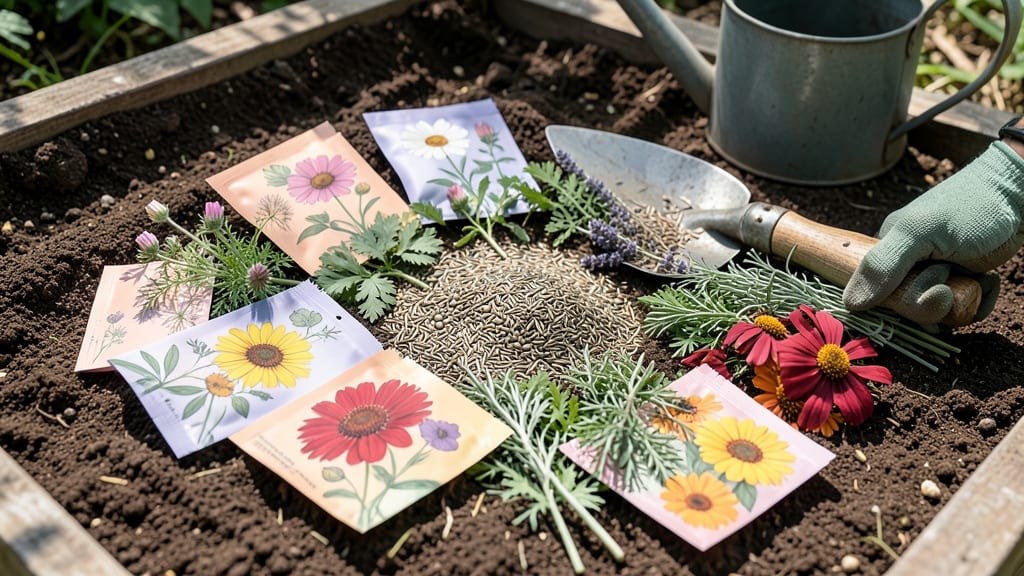
Transforming your yard into a buzzing pollinator paradise starts with wildflower seed packets—just sprinkle, water, and watch bees and butterflies move in. 🌸 I’ve planted wildflowers for years, and the difference they make for local ecosystems is nothing short of magical.
These tiny seeds pack a punch: vibrant blooms, food for pollinators, and zero fuss compared to manicured lawns. The secret to success lies in three simple steps: right soil, proper timing, and patience.
Most seed mixes thrive in 6-8 hours of sun, and a quick rake through the soil ensures good contact. Water lightly every other day until germination, then let nature take over—wildflowers are tougher than they look. Within weeks, you’ll see greenery popping up where there was once bare dirt.
By midsummer, your garden will burst with color, attracting hummingbirds, bees, and butterflies. The blooms keep coming in waves, feeding pollinators from early spring through late fall. Even a small patch makes a difference—imagine a whole neighborhood full of these little powerhouses.
Best of all, wildflowers adapt to almost any climate. Choose a mix labeled for your region, and you’re set. Whether you’re reviving a patch of grass or adding life to a rocky slope, these seeds deliver beauty and purpose with minimal effort.
📚 In This Guide
- What you need
- Instructions
- Tips and common mistakes
- Wrapping up and next steps
What you need
- ● Wildflower seed packets – Choose native species for your region (check the packet for specifics). Quantity: 1–5 packets, depending on your planting area (e.g., 1 packet ≈ 100 sq. ft. for small gardens; scale up for larger spaces).
- ● Garden soil or compost mix – 2–3 inches of loose, well-draining soil (amend with compost if your soil is clay-heavy).
- ● Watering can or hose with a gentle spray nozzle – Light but consistent watering is key!
- ● Garden rake or hoe – For lightly loosening the soil (avoid deep tilling—wildflower roots love it natural!).
- ○ Optional but helpful: Mulch or straw – ¼ inch layer to retain moisture (especially in dry climates).
- ● Garden twine or stakes – To mark planting areas if needed.
- ● Gloves – Because no one enjoys a prickly surprise.
- ● Sunlight access – Most wildflowers thrive in full sun (6+ hours/day). Check your packet for shade-tolerant varieties.
- ● Timing – Plant in early spring or fall (avoid extreme heat or frost).
- ● Location prep – Clear debris and weeds from your planting area (wildflowers compete poorly with invasive plants).
How to plant wildflower seed packets for year-round pollinator blooms
Here's the simple method I use to turn even small spaces into buzzing, blooming havens.
🌱 Step 1: Choose the Right Location and Prepare the Soil
Select an area with 6+ hours of sunlight daily—wildflowers thrive where they can soak up the sun. I always test the soil first by grabbing a handful and squeezing it: if it crumbles easily, it's ready. If it stays in a tight ball, you'll need to loosen the top 4-6 inches with a rake or garden fork to help roots establish.
Remove any existing weeds or grass, especially those with deep roots like dandelions. Wildflowers compete poorly with established vegetation, so clearing the space gives your seeds the best start. If your soil is very poor, mix in a 1-inch layer of compost to provide nutrients without overwhelming the delicate seedlings.
💧 Step 2: Scatter Seeds Evenly and Lightly Cover
Open the seed packet and pour the contents directly onto the prepared soil. Don't worry about spacing—wildflowers grow best in dense clusters. I like to scatter them in patterns: a 10-foot by 10-foot area gets about ½ packet for a natural look. For smaller spaces, just sprinkle lightly over 2-3 square feet.
Cover the seeds with a thin layer of soil—no more than ¼ inch deep. Most wildflower seeds need light to germinate, so burying them too deeply will delay sprouts. A gentle rake pass works perfectly. Water the area lightly until the soil is damp but not soggy—you want moisture to penetrate without washing seeds away.
☀️ Step 3: Maintain Consistent Moisture Until Germination
Keep the soil evenly moist for the first 4-6 weeks—this is critical for seed germination. I set up a simple drip irrigation line or water gently with a hose nozzle set to a fine spray. Watch for first green shoots appearing in 2-4 weeks, depending on your climate. Once germination starts, you'll see tiny rosettes of leaves pushing through the soil.
After the seedlings emerge, reduce watering to once a week unless your area experiences extreme heat or drought. Wildflowers are drought-tolerant once established, but young plants need steady moisture to develop strong roots. Avoid walking on the area until plants reach 4-6 inches tall—their delicate stems can break easily.
✂️ Step 4: Let Nature Take Over and Enjoy the Blooms
Resist the urge to thin or prune your wildflowers. Unlike vegetables, they grow best when left to their own devices. Once established, they'll self-seed and spread naturally, creating more blooms each year. You'll notice first flowers in 6-8 weeks, starting with small clusters that grow larger as the season progresses.
To encourage continuous blooming, deadhead spent flowers by cutting back the stems to just above the base. This redirects energy to new growth and prevents the plants from going dormant too early. Watch for pollinators—bees, butterflies, and hummingbirds will start visiting within days of the first blooms appearing.
🌿 Step 5: Plan for Seasonal Renewal and Expansion
In late fall, after the first frost, cut back the dead stems to 2-3 inches above ground level. This clears space for new growth in spring and prevents disease buildup. I mark the area with small stakes so I remember where it is—wildflower beds can look bare in winter but come back stronger each year.
For year-round blooms, plant a mix of early, mid, and late-season varieties. Some seeds, like poppies, germinate best in fall, while others, like coneflowers, prefer spring planting. Check your seed packet for specific timing—this ensures continuous color from spring through frost. Over time, your wildflower patch will become a self-sustaining ecosystem that requires minimal care.
Tips & tricks for pollinator-packed wildflower gardens
These simple tricks will help you create a thriving wildflower garden that keeps pollinators buzzing all year.
Location is Everything: While the instructions mention 6+ hours of sunlight, I've found that morning sun with afternoon shade works beautifully in hot climates. This prevents seeds from drying out too quickly during the critical first 4-6 weeks. For containers or small spaces, place them where they'll get at least 4-5 hours of sun—even partial sun gardens will still attract pollinators, just with slightly fewer varieties.
Soil Prep Secret: That 1-inch layer of compost recommendation is perfect, but here's what nobody tells you—mix in a handful of sand if your soil stays compacted when squeezed. This improves drainage without overwhelming the delicate seedlings. I've seen germination rates double when using this simple amendment, especially in clay-heavy soils.
Timing Your Watering: The instructions emphasize keeping soil moist for 4-6 weeks, but here's my pro move: water in the early morning instead of evening. This prevents fungal growth that can smother your seedlings. I set up a simple drip irrigation system on a timer for 15 minutes daily—it's the easiest way to maintain consistent moisture without overwatering.
Pollinator Magnet Tip: For continuous blooms, consider adding a small patch of clover seeds along with your wildflowers. Clover fixes nitrogen in the soil and provides early-season nectar when other flowers haven't emerged yet. It's a natural, low-maintenance way to extend your garden's pollinator appeal from spring through fall.
Pro Tips for Wildflower Seed Packets
- These simple tricks will help you create a thriving wildflower garden that keeps pollinators buzzing all year.
- Location is Everything: While the instructions mention 6+ hours of sunlight, I've found that morning sun with afternoon shade works beautifully in hot climates.
- Soil Prep Secret: That 1-inch layer of compost recommendation is perfect, but here's what nobody tells you—mix in a handful of sand if your soil stays compacted when squeezed.
Frequently asked questions
Got questions about growing wildflowers from seed packets? You’re not alone—here are some of the most common ones, answered for easy, stress-free planting!
When is the best time to plant wildflower seed packets?
For spring-blooming varieties, sow seeds in late summer or early fall (6–8 weeks before your first frost). If planting in spring, do it as soon as the soil is workable (usually March–April). Perennial wildflowers often need a cold stratification period (like winter), so don’t rush—patience pays off with longer blooms!
How long does it take for wildflower seeds to germinate?
Germination time varies by species, but most wildflower seeds sprout within 7–30 days. Some, like black-eyed Susans or coneflowers, may take up to 60 days in cooler weather. Keep soil moist (not soggy) and patient—thin seedlings once they’re 2–3 inches tall to avoid overcrowding.
Will wildflower seed packets attract bees and butterflies immediately?
Not right away! Most wildflowers take 6–12 weeks to bloom, depending on the variety. Start with fast-blooming annuals like cosmos or zinnia for quick pollinator action. Plant perennials (e.g., purple coneflower) for years of blooms—just be patient, and the pollinators will come!
Do wildflower seeds need special soil or fertilizer?
Wildflowers are low-maintenance! They thrive in poor, well-draining soil—no rich compost or fertilizer needed (too much can harm them). A light scratch into the soil (¼ inch deep) and a gentle watering are all they ask. Native wildflowers are especially tough—they’re adapted to your local conditions!
What if my wildflower seeds don’t grow? Troubleshooting tips!
Try these fixes if seeds aren’t sprouting:
- Check moisture: Keep soil damp but not waterlogged (use a spray bottle for small seeds).
- Verify depth: Tiny seeds need light—press them lightly into soil (don’t bury).
- Test timing: Some seeds need cold stratification (refrigerate moist seeds for 2–4 weeks before planting).
- Consider viability: Old seeds may fail—store them in a cool, dry place and plant within 1–2 years.
Still struggling? Contact the seed company—they often share growing tips for their blends!
Wrapping up and next steps
Transforming your space into a vibrant, pollinator-friendly haven is easier than you think! With wildflower seed packets, you’re not just planting seeds—you’re nurturing ecosystems, one bloom at a time. Whether you’re a seasoned gardener or a curious beginner, the beauty of wildflowers lies in their simplicity and resilience.
Ready to take the next step? Start small—choose a sunny patch, grab your favorite seed packet, and let nature do the rest. 🌸 Your garden (and the bees!) will thank you.