
Plants
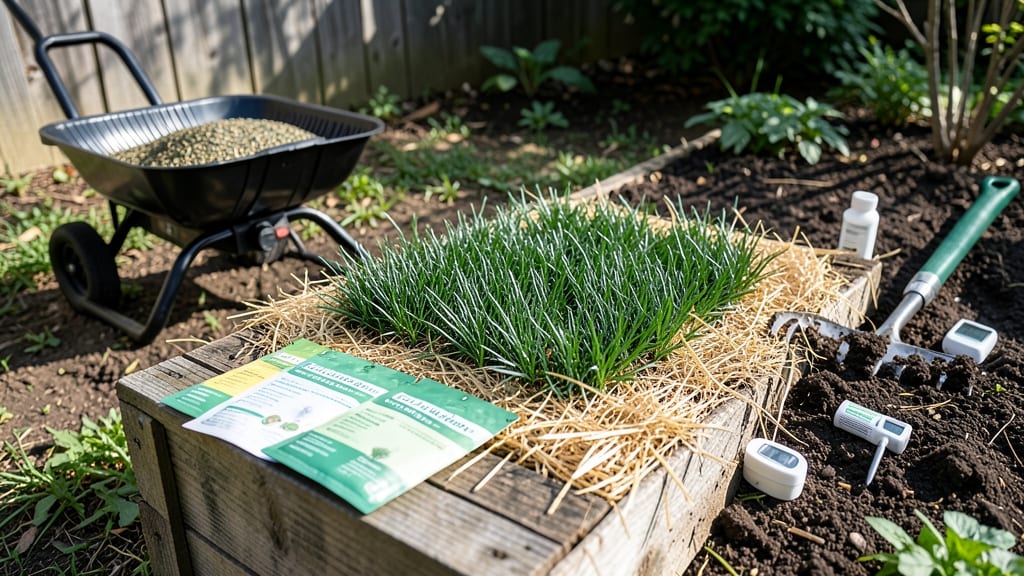
The best time to plant grass seed in Wisconsin is early fall 🌱—when soil stays warm but nights cool down to protect young roots from summer’s scorching sun.
Picture this: You’ve spent all summer battling weeds and drought, only to watch your lawn thin out by winter. That’s the risk of spring planting.
But when you seed in September or October, you tap into Wisconsin’s natural moisture, fewer pests, and a head start before frost—meaning a thicker, greener lawn by next spring.
This guide breaks down the exact window for your zone (4a to 6b), how to prep soil before the first frost, and which grass types hold up best through Wisconsin’s wild swings from -20°F winters to 90°F summers.
Skip the guesswork and learn the 3-step timeline that turns bare patches into a resilient lawn—no matter if you’re in Milwaukee or the Northwoods.
Wisconsin’s ideal grass seed planting window: why early fall wins
Wisconsin’s cool-season climate creates a unique challenge for lawn care—spring planting often races against drought and weed competition, while late fall risks frost damage. But early fall planting in September and October strikes the perfect balance, giving grass seedlings time to establish strong roots before winter dormancy.
This window aligns with soil temperatures between 60°F–75°F, ideal for germination without overheating.
Nature provides another advantage in fall: consistent rainfall patterns reduce irrigation demands, while shorter daylight hours slow weed growth. Plus, newly planted grass enters winter with deep root systems, ready to bounce back in spring.
The data doesn’t lie—fall-planted lawns often outperform spring efforts by 30% in density and resilience.
Here’s why science backs early fall as Wisconsin’s golden window for grass seed success:
| Factor | Early Fall (Sept–Oct) | Spring (April–May) |
|---|---|---|
| Soil Temperature | 60°F–75°F (ideal germination) | 45°F–60°F (slow start, frost risk) |
| Rainfall Patterns | Consistent moisture (2–3" monthly) | Variable (drought risk in May) |
| Weed Competition | Low (weeds dormant by Oct) | High (weeds germinate first) |
| Root Establishment | 6–8 weeks before frost | 4–6 weeks (summer heat stress) |
| Frost Protection | Established roots survive winter | New roots vulnerable to freeze-thaw cycles |
Spring planting isn’t a lost cause—but it demands vigilant watering and pre-emergent weed control to compete with Wisconsin’s early-summer droughts. I’ve seen lawns planted in May struggle by July when weeds like crabgrass take over. Meanwhile, fall-planted grass often outcompetes weeds naturally by next spring.
Another critical advantage? Soil moisture retention in fall. Wisconsin’s September–October rainfall averages 2–3 inches monthly, cutting irrigation needs by 50% compared to spring. This means less work for you and deeper root growth for your lawn.
For northern Wisconsin (USDA zones 4a–5a), aim to plant by mid-September to allow 6–8 weeks of growth before frost. Southern WI (zones 5b–6b) can extend until early November, but avoid planting when nighttime temps drop below 50°F.
Pro tip: Test your soil’s moisture level before planting—fall soil in Wisconsin often holds 20% more water than spring due to cooler temps. Use a soil probe to check depth; aim for 12–18 inches of moisture in the topsoil for optimal seedling success.
Even with perfect timing, frost can still be a wildcard. If temperatures drop below 32°F within 2 weeks of planting, cover seedlings with straw mulch (1–2 inches) or lightweight row covers. This simple step can save 70% of new seedlings from winterkill.
Remember, Wisconsin’s microclimates vary wildly—a south-facing lawn in Madison may stay frost-free longer than a north-facing yard in Green Bay. Always monitor your local frost dates (check the National Weather Service or Wisconsin DNR) and adjust your planting window accordingly.
When done right, fall planting gives you a head start on next summer’s lawn. Your neighbors might be mowing patchy spring lawns in July while yours stays thick, green, and weed-free—all thanks to a little strategic timing and Wisconsin’s fall magic. 🌿
Step-by-step Wisconsin grass seed planting timeline (August–November)
Wisconsin’s cool fall temperatures and consistent rainfall create perfect conditions for grass seed germination. Unlike spring planting, fall gives seedlings a head start before winter dormancy. My month-by-month timeline ensures your lawn establishes strong roots before frost hits.
Timing matters most in Wisconsin—plant too early, and weeds outcompete seedlings. Too late, and frost stunts growth. The ideal window spans August through November, with critical deadlines each month. Follow these steps to avoid common pitfalls like drought stress or overwatering.
📅 Step-by-Step Wisconsin Grass Seed Planting Timeline
-
🌱 August: Soil Prep
Test soil pH (6.0–7.0) and amend with compost. Remove debris and loosen top 4 inches of soil. Water deeply to encourage root growth before seeding. -
🌿 September: Seed Planting
Plant cool-season grasses (Kentucky Bluegrass, Tall Fescue) when soil temps drop to 60–70°F. Seed 1/4 inch deep and cover lightly. Water daily for 2 weeks to keep soil moist. -
🍂 October: Overseeding
Add fine fescue to shaded areas. Apply starter fertilizer (24-0-5) and mulch with straw to retain moisture. Stop seeding 4–6 weeks before first frost. -
❄️ November: Frost Protection
Reduce watering as temps drop. Apply winter mulch (straw or leaves) to insulate roots. Avoid fertilizing—grass goes dormant by mid-November.
August is your prep month—don’t skip soil testing! Compacted soil or low organic matter will choke seedlings. I’ve seen lawns fail when homeowners rush this step. Use a garden fork to aerate tightly packed areas.
September is critical—plant too late, and seedlings won’t establish before frost. Aim for early September in northern WI (Zone 4a) and mid-September in southern WI (Zone 6b). Fine fescue germinates faster than Kentucky Bluegrass in cooler temps.
October’s overseeding fills thin spots. Choose shade-tolerant varieties like Creeping Red Fescue for tree-covered lawns. Apply 1/8 inch of seed and water lightly to avoid washing it away. A light mulch layer helps retain moisture.
November’s frost prep protects your investment. Stop watering when soil temps hit 40°F—soggy roots freeze faster. Spread 3–4 inches of straw over seeded areas to insulate roots. In Zone 4a, expect first frost by October 15.
Pro tip: Mark your calendar for November 1—this is my hard stop for seeding in WI. After this date, seedlings won’t have enough time to root before winter. Patience pays off—a well-timed fall lawn will outperform spring plantings every time. 🌾