Size
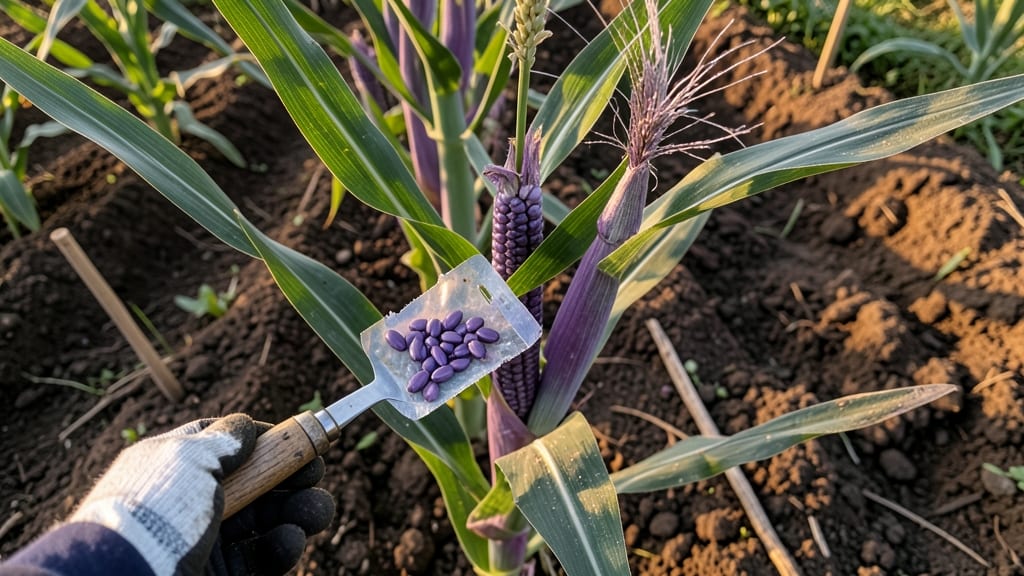
Growing violet corn from seed transforms your garden into a striking purple canvas that tastes as good as it looks. 🌱 The secret to those vibrant ears starts with the right soil prep and patience—my first attempt took three tries before I cracked the germination code.
Most gardeners skip the soil test, but violet corn thrives when the pH sits between 6.0 and 6.8, with plenty of organic matter to hold moisture without drowning roots.
Start with seeds planted 1-2 inches deep in well-draining soil, spaced 12-18 inches apart in rows 3 feet apart. Violet corn loves full sun (6+ hours daily) and consistent moisture—think of it like a thirsty plant that hates soggy feet.
A mulch layer keeps roots cool and conserves water, while regular weeding prevents competition. Germination takes 7-14 days, and you’ll see those first purple shoots push through like magic.
By 60-70 days, you’ll harvest ears that range from deep violet to lavender, depending on the variety. The flavor? Sweet, nutty, and just a touch earthy—perfect for corn on the cob or fresh eating.
The real reward? Watching neighbors stop mid-stride to admire your edible art. Just be ready for corn earworms and gray leaf spot—both fight back with row covers and proper spacing.
Works in zones 4-11, though cooler climates need a longer season. For small gardens, try dwarf varieties like 'Black Aztec'—they’re just as stunning and produce ears 4-5 inches long. The key is consistency: water, sun, and patience. Once you master this, you’ll never buy boring yellow corn again.
📚 In This Guide
- What you need
- Instructions
- Tips and common mistakes
- Wrapping up and next steps
What you need
- ● Violet corn seeds: 1–2 lbs (or ~200–400 seeds, depending on spacing goals). Choose heirloom varieties like 'Black Aztec' or 'Purple Dent' for authentic color.
- ● Garden space: Outdoor garden: 12–18 inches between plants, 36 inches between rows (full sun, 6+ hours/day).
- ● Containers: 5-gallon pots (1 plant per pot) with drainage holes if space is limited.
- ● Soil: Well-draining, fertile loam with a pH of 6.0–7.0. Mix in 2–3 inches of compost for nutrients.
- ● Watering tools: Watering can or hose with a gentle spray nozzle (avoid soaking seeds).
- ○ Drip irrigation system (optional, for consistent moisture).
- ● Fertilizer: Starter fertilizer: 5–10–10 (NPK ratio) or organic options like fish emulsion.
- ● Mid-season feed: Balanced 10–10–10 or compost tea every 4–6 weeks.
- ○ Support structures (optional but helpful): Trellis or stakes (4–6 feet tall) for tall varieties to prevent lodging.
- ● Row covers (frost protection for early planting).
- ● Mulch: Straw or grass clippings to retain moisture and suppress weeds.
- ● Garden journal: Track planting dates, watering schedules, and growth milestones!
- ● Pruning shears: For removing dead leaves or pests.
- ● Gloves & knee pads: Because gardening is way more fun when you’re comfortable.
Step-by-step instructions for growing violet corn from seed
Here's the proven method I use to coax vibrant purple kernels from tiny seeds—no shortcuts, just reliable results.
🌱 Step 1: Prepare Seeds and Planting Beds
Violet corn thrives in loose, fertile soil with excellent drainage. Work in 2-3 inches of compost into your garden bed at least 2 weeks before planting—this gives microbes time to break it down. Corn roots need space, so till to a depth of 12 inches to prevent compaction. The soil should feel like a damp sponge when squeezed, not sticky or crumbly.
Soak seeds overnight in lukewarm water to soften the outer hull and speed germination. This step is critical—corn seeds have tough coatings that slow sprouting. After soaking, pat them dry with a paper towel, then plant 1 inch deep in rows spaced 3 feet apart. I use a stick to mark planting depth to avoid burying seeds too deeply, which delays emergence.
💧 Step 2: Water and Maintain Moisture
Keep the soil consistently moist but never soggy during germination. Water 1 inch per week (more in hot climates) using a gentle sprinkler or drip irrigation to avoid disturbing seeds. You'll know moisture is right when the top 2 inches of soil feel damp—like a wrung-out sponge. Too much water causes rot, while too little leads to weak seedlings.
Once seedlings reach 6 inches tall, reduce watering slightly to encourage deeper root growth. This is where many gardeners overdo it—corn is drought-tolerant once established. Watch for yellowing lower leaves, which signals underwatering, or mushy stems, which means overwatering. Adjust your schedule based on these visual cues.
☀️ Step 3: Provide Full Sun and Support Growth
Violet corn demands full sun (6+ hours daily) for vibrant kernels. If your garden gets less, supplement with a reflective surface (like white plastic sheeting) to bounce extra light onto plants. You'll notice leaves turning pale green or stretching toward light—this is a clear sign of insufficient sun. In this case, move plants or add shade cloth to prevent stress.
When plants reach 18 inches tall, install sturdy stakes or a trellis to support heavy ears. Corn stalks can reach 7-8 feet—without support, they'll flop over when ears develop. I use bamboo stakes tied with soft twine to avoid damaging stems. This also makes harvesting easier later.
✂️ Step 4: Fertilize and Monitor for Pests
Apply a balanced fertilizer (10-10-10) at planting, then again when plants are 12 inches tall. Corn is a heavy feeder, so side-dress with 2-3 inches of compost when tassels form. Avoid high-nitrogen fertilizers—they promote leafy growth at the expense of kernels. You'll know fertilization is right when plants have deep green leaves and strong stalks with no yellowing between veins.
Watch for corn earworms and aphids—common pests that attack violet corn. Handpick worms from silks in the morning, and spray aphids with neem oil if infestations appear. I also plant marigolds nearby as a natural deterrent. Remove any damaged leaves immediately to prevent spread.
🌽 Step 5: Harvest at Peak Ripeness
Violet corn reaches maturity in 90-110 days, depending on variety. Check for readiness by peeling back one husk layer—kernels should be plump and deep purple, with milky white liquid when pierced. Harvest on a dry morning to preserve color and texture. Cut stalks with clean pruners, leaving 6 inches of stem attached for storage.
Dry ears in a well-ventilated, dark place for 2-3 weeks before shelling. Proper drying prevents mold and preserves the striking violet hue. Store dried kernels in airtight containers away from light. You'll know they're ready when the cob feels light and kernels rattle when shaken.
Tips & tricks for perfect violet corn germination
These little-known strategies will help you transform delicate violet corn seeds into thriving plants bursting with color.
Soaking Secret: The overnight soak in lukewarm water isn't just about speed—it's about breaking down those tough outer hulls that would otherwise delay germination by days. I've found that using distilled water instead of tap water prevents chlorine buildup that can inhibit sprouting. After soaking, give seeds a thorough drying with paper towels to prevent mold risk during planting.
Soil Science: The 2-3 inches of compost recommendation isn't arbitrary—it's about creating the perfect microbial ecosystem. Mix in 1 part worm castings with your compost for even faster nutrient uptake. Test your soil's pH before planting; violet corn prefers a slightly acidic range of 6.0-6.8. You can adjust with elemental sulfur if needed, but most garden soils are already in this range.
Planting Precision: Those 1-inch deep planting instructions might seem shallow, but corn seeds need air circulation to prevent rot. Use a dibble or pencil to create holes—don't just drop seeds. Space your rows 3 feet apart to allow for proper air flow between plants, which helps prevent fungal diseases that can attack young seedlings. Mark your planting lines with a garden hose to maintain straight rows.
Sunlight Strategy: The 6+ hours of full sun requirement is non-negotiable for that signature violet color development. If you're supplementing light with reflective surfaces, position them to hit the plants from the east in the morning when sunlight is strongest. I've seen dramatic color differences between plants getting morning sun versus afternoon sun—morning light produces more intense purple hues.
Pro Tips for Violet Corn Seed Grow A Garden
- These little-known strategies will help you transform delicate violet corn seeds into thriving plants bursting with color.
- Soaking Secret: The overnight soak in lukewarm water isn't just about speed—it's about breaking down those tough outer hulls that would otherwise delay germination by days.
- Soil Science: The 2-3 inches of compost recommendation isn't arbitrary—it's about creating the perfect microbial ecosystem.
Frequently asked questions
Got questions about growing vibrant violet corn? You’re not alone!
Here are answers to the most common queries from gardeners eager to cultivate this stunning crop.
How long does it take for violet corn seeds to germinate?
Violet corn seeds typically sprout within 7–14 days after planting, provided soil temperatures stay between 60–85°F (15–29°C). Keep the soil consistently moist (not soggy!) and place seeds 1 inch deep for best results. Patience is key—cool or dry conditions may delay germination.
When is the best time to plant violet corn seeds?
For optimal growth, plant seeds 2–3 weeks after your last frost date when soil is at least 60°F (15°C). In warmer climates, you can plant in early spring or late summer for a fall harvest. Avoid planting too early—cold soil slows germination and weakens seedlings.
Can I grow violet corn in containers, or does it need a large garden?
Yes! Violet corn thrives in containers at least 12–18 inches deep with proper drainage. Use a 5-gallon pot or larger per plant, and ensure it has sturdy support for tall stalks. Just mimic garden conditions: full sun, rich soil, and regular watering. Urban gardeners, rejoice!
What pests or diseases should I watch for with violet corn?
Common threats include corn earworms, aphids, and fungal diseases like smut. Prevent issues by:
- Using row covers early in the season.
- Rotating crops annually to avoid soil-borne pathogens.
- Removing damaged leaves or stalks promptly.
Will my violet corn turn green if I don’t get enough sunlight?
Violet corn needs 6–8 hours of full sun daily to maintain its stunning purple hue. Without enough light, the kernels may lose color and taste milder. If your garden is shady, consider reflective surfaces or a sunny container spot to boost light exposure.
Wrapping up and next steps
Growing violet corn from seed is a rewarding journey that brings a splash of color and unique flavor to your garden! With the right soil, patience, and care, you’ll soon enjoy a stunning harvest of purple-hued kernels that stand out in any dish. 🌱✨
Ready to take the next step? Start by selecting your best seeds and prepping your garden—whether it’s a small pot or a sunny patch of soil. Then, watch your hard work bloom into a vibrant, edible masterpiece! Happy planting! 🌿💜