
Lawn
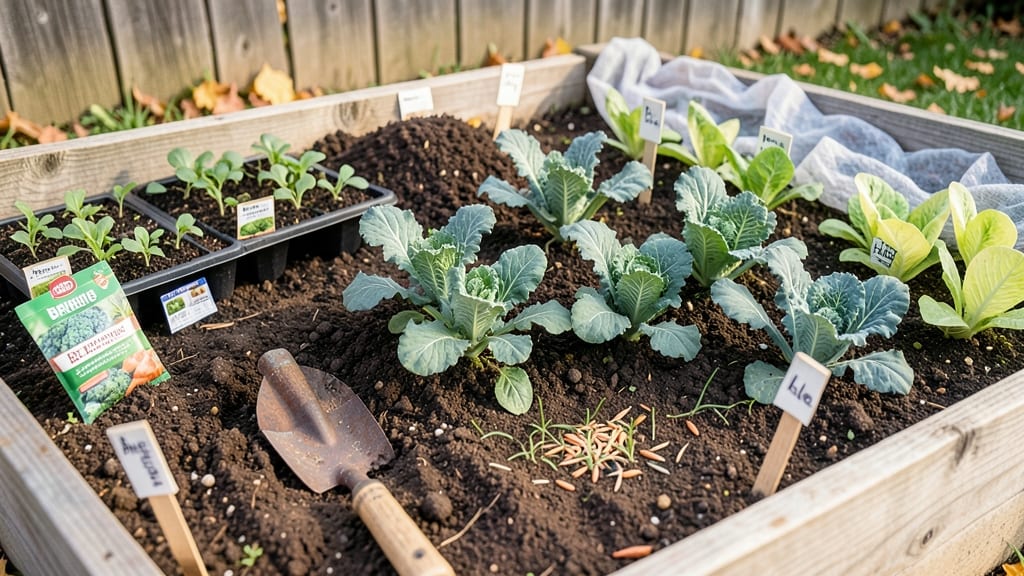
Fall seeding transforms your spring lawn from patchy to lush—when cool-season grasses get a head start. 🌱 I’ve watched my own lawn go from bare spots to thick, green carpet by May, all because I planted in October instead of spring.
The secret? Cool temperatures mean less stress for seeds, and fewer weeds compete for space.
You’ll need cool-season grass seed (like Kentucky bluegrass or fescue), a seed spreader, and a light layer of compost to prep the soil. Most regions—especially zones 3-8—benefit from fall planting, but check your first frost date to aim for 6-8 weeks before winter sets in.
Start by raking debris, loosening soil, and spreading seed evenly. A light watering keeps it moist until germination, then deeper watering 2-3 times a week helps roots establish. By spring, you’ll see 30-50% more coverage than spring-planted lawns.
Common mistakes? Skipping soil prep or overwatering. Too much water drowns seeds; too little stunts growth. If your lawn still has bare patches, try overseeding in early fall for even better results.
📚 In This Guide
- What you need
- Instructions
- Tips and common mistakes
- Wrapping up and next steps
What you need
- ● Seed: Choose high-quality, cool-season grass seed (e.g., Kentucky bluegrass, fescue, or ryegrass). Aim for 5–10 lbs per 1,000 sq ft, depending on your lawn’s condition.
- ● Lawn fertilizer: A fall-specific blend (high in nitrogen, like 20-0-5 or 30-0-4). Use 1 lb of nitrogen per 1,000 sq ft.
- ● Topsoil or compost: ¼–½ inch layer to improve seed-to-soil contact and nutrients.
- ● Rake: A stiff-bristle garden rake to loosen soil and create a fine seedbed.
- ● Broadcast spreader: For even seed distribution (manual or drop-type).
- ● Water source: Hose with a fine mist nozzle or sprinkler system.
- ○ Straw or netting: Optional but helpful—use ½ inch of straw or biodegradable netting to protect seeds from birds and erosion.
- ● Gloves & knee pads: For comfort during prep work.
- ○ Soil test kit: (Optional) To check pH and nutrient levels—ideal range for seeding is 6.0–7.0.
- ● Pre-emergent herbicide: (If needed) Apply 4–6 weeks before seeding to prevent weeds.
- ○ Lawn roller: (Optional) Lightly roll seeded areas to ensure seed-soil contact (only after watering).
Step-by-step guide to fall seed planting for spring lawn success
Fall planting gives seeds a head start on spring growth—here’s how to do it right for a lush, weed-free lawn.
🌱 Step 1: Test and Prepare the Soil Before Planting
Test your soil’s pH and nutrient levels at least 4-6 weeks before seeding. Fall’s cooler temps slow microbial activity, so you’ll need to adjust pH to 6.0-7.0 for optimal germination. I like to add composted organic matter (like 2-3 inches of well-aged compost) and work it into the top 6 inches of soil. This improves drainage and gives roots a nutrient-rich foundation.
If your soil is compacted, aerate it 2-3 days before planting using a core aerator. You’ll see small plugs of soil removed—this breaks up the thatch layer and lets seeds make direct contact with moist soil. Water the area lightly afterward to help settle the soil without displacing the aeration holes.
🌿 Step 2: Choose the Right Seed Varieties for Your Climate
Cool-season grasses like tall fescue, Kentucky bluegrass, or perennial ryegrass thrive when sown in fall. Check your local USDA hardiness zone to pick varieties that germinate in 50-65°F soil temps. I always opt for a mix of seed types—this ensures a thicker lawn by filling in gaps where one variety might struggle.
Spread seeds evenly using a broadcast spreader set to the recommended rate (usually 5-10 lbs per 1,000 sq ft). Walk in a crisscross pattern to avoid thin spots. Lightly rake the area with a fine-tooth rake to press seeds into the soil—just enough to cover them with ¼ inch of dirt. This prevents them from drying out or being washed away.
💧 Step 3: Water Strategically for Germination
Water immediately after planting, keeping the soil consistently moist for the first 2-3 weeks. Use a gentle sprinkler or soaker hose to apply ¼ inch of water daily. You’ll know you’re doing it right when the top ½ inch of soil stays damp but not soggy—like a wrung-out sponge. Overwatering can suffocate seeds, while underwatering halts germination.
Once seedlings reach 2-3 inches tall, gradually reduce watering to 2-3 times per week, ensuring 1 inch of water per session. This encourages deep root growth. Avoid walking on the lawn until the grass reaches 3-4 inches—your footprints will leave permanent marks in tender young blades.
☀️ Step 4: Protect New Growth from Winter Stress
Apply a light layer of straw mulch (about ¼ inch thick) over seeded areas to insulate seeds from temperature swings. This is especially critical if your region experiences freezing nights. The mulch also prevents soil crusting, which can smother emerging shoots. Remove it in early spring once germination is complete.
Fertilize with a low-nitrogen, slow-release fertilizer (like 10-10-10) 4-6 weeks after seeding. This gives seedlings a gentle nutrient boost without encouraging rapid top growth that can’t survive winter. Monitor for weeds—pull them by hand as soon as they appear, since they compete with young grass for sunlight and water.
⏰ Step 5: Plan for Spring Maintenance
In early spring, mow when grass reaches 3-4 inches tall, then adjust your mower height to 3-4 inches for the season. This shade protects roots from heat stress. If your lawn looks patchy, overseed bare spots in early fall again—this two-step approach ensures a thick, resilient turf year after year.
Here’s the thing—fall planting isn’t just about timing. It’s about giving seeds the cool, moist conditions they need to establish strong roots before summer’s heat. With these steps, you’ll skip the summer stress of starting from scratch and enjoy a lawn that’s already thriving by spring.
Tips & tricks for perfect fall seed planting
Timing and preparation make all the difference when planting seeds in fall for spring success.
Soil Preparation is Key: Don't rush the 4-6 week soil testing window—fall's cooler temperatures mean microbial activity slows down, giving you time to properly amend the soil. If your soil test reveals a pH below 6.0, add dolomitic lime to raise it gradually. I've seen seeds fail to germinate because the pH wasn't adjusted properly—this step is non-negotiable for cool-season grasses.
Seed Selection Matters: When choosing between tall fescue, Kentucky bluegrass, or perennial ryegrass, consider your climate's frost patterns. Tall fescue handles cold best, while Kentucky bluegrass spreads aggressively but needs consistent moisture. I always mix varieties to create a more resilient lawn—think of it like diversifying your investment portfolio for stability.
Watering Technique is Critical: Those first 2-3 weeks of daily watering require precision. Use a rain gauge to measure exactly ¼ inch of water—most sprinklers apply too much. I've learned the hard way that overwatering creates anaerobic conditions that suffocate seeds. Aim for that damp-but-not-soggy consistency, and water in the morning to prevent evaporation and fungal growth.
Protecting New Growth: The ¼ inch straw mulch might seem thin, but it's perfect for insulating seeds from temperature swings without smothering them. For regions with heavy snowfall, I add an extra ⅛ inch layer—just enough to create a protective barrier. Remove it in early spring when you see the first signs of green shoots breaking through.
Pro Tips for Seed In The Fall
- Timing and preparation make all the difference when planting seeds in fall for spring success.
- Soil Preparation is Key: Don't rush the 4-6 week soil testing window—fall's cooler temperatures mean microbial activity slows down, giving you time to properly amend the soil.
- Seed Selection Matters: When choosing between tall fescue, Kentucky bluegrass, or perennial ryegrass, consider your climate's frost patterns.
Frequently asked questions
Got questions about seeding your lawn in the fall? You're not alone! Here are some of the most common queries—and their straightforward answers—to help you get started with confidence.
Why is fall the best time to seed a lawn?
Fall seeding takes advantage of cool temperatures, reduced weed competition, and consistent moisture—perfect conditions for grass roots to establish deeply before winter. Spring can be too hot or dry, while summer weeds and pests make it tough for new seedlings to thrive.
How soon after planting will I see grass?
Most cool-season grasses sprout in 7–21 days, depending on the variety and weather. Full coverage (about 50–75%) typically takes 3–6 weeks. Be patient—strong roots take time! Water lightly daily to keep soil moist but not soggy.
What if fall weather turns too cold or wet?
Ideal seeding temps are 60–75°F. If frost or heavy rain hits, pause seeding until conditions improve. Use a lightweight straw mulch (not hay) to protect seeds from erosion. Avoid compacted soil—wait for it to dry slightly before resuming.
Can I seed a lawn in fall without renting equipment?
For small areas, use a hand rake or broadcast spreader to distribute seeds evenly. Rent a core aerator (or borrow one) to loosen soil—this is key for seed-to-soil contact. A push mower with a seed-catching bag can also help collect clippings to mix with compost for natural fertilizer.
Will voles or pests eat my new seeds?
Yes, rodents and insects may snack on seeds or young sprouts. Prevent issues by:
- Using pest-resistant grass varieties (e.g., tall fescue or Kentucky bluegrass).
- Applying a light granular pre-emergent after seeding (follow label timing!).
- Setting traps or repellents in problem areas before planting.
What if I miss fall seeding—can I do it in early spring?
Spring seeding is possible, but challenges include weed competition, faster drying soil, and shorter establishment window before summer heat. If you must, seed in early spring (March–April), use a pre-emergent herbicide to block weeds, and keep soil moist daily. Fall is still the gold standard!
Wrapping up and next steps
Fall is your secret weapon for a lush, resilient lawn—and now you’ve got the know-how to make it happen! 🌱 By planting cool-season seeds in the fall, you’re giving your grass the ideal conditions to root deep, weatherize, and burst into vibrant growth next spring. Don’t wait—your future lawn is counting on you!
Ready to take action? Grab your gloves, pick a crisp fall day, and start seeding today. Need a refresher? Revisit our FAQs or materials list—then roll up those sleeves and watch your hard work pay off in a greener, stronger lawn by spring! 🌿✨