
Lawn
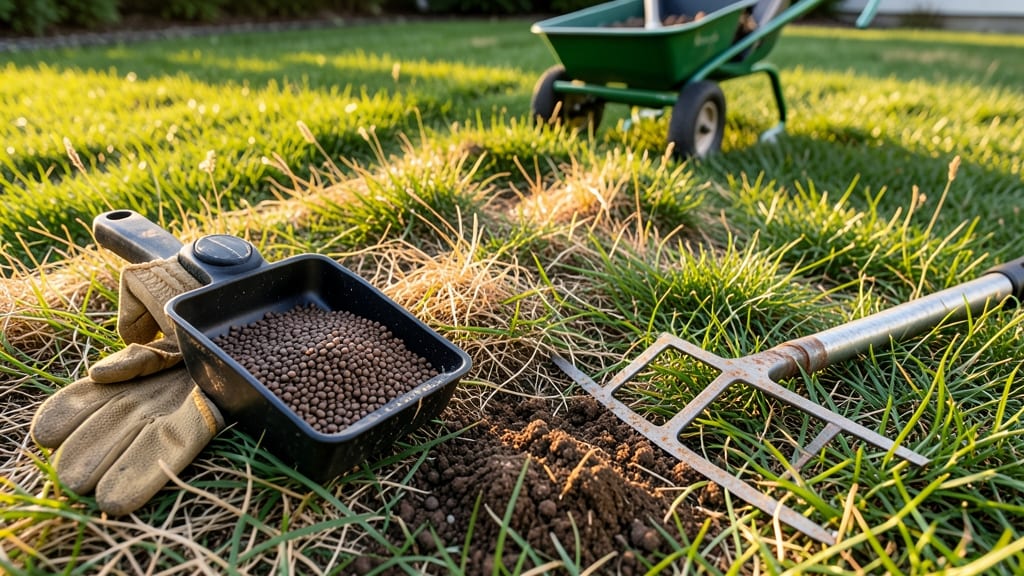
Fall reseed grass when soil stays warm but weeds slow down—this 6-week window between September and November gives seeds the perfect head start. 🌱 I’ve learned the hard way that spring reseeding is a gamble against heat and drought, but fall?
That’s when my lawn finally thickens enough to crowd out crabgrass for good. The secret isn’t just timing—it’s prep. Start by mowing short, then dethatch if your lawn feels spongy. Aerate if the soil compacts like a hockey puck, and test for pH (aim for 6.0-7.0).
The right seed makes all the difference: cool-season grasses like tall fescue or ryegrass thrive now, while warm-season types (like Bermuda) should wait for spring. Once seeded, keep the soil damp like a wrung-out sponge—not soggy, not dry. A light straw mulch holds moisture while blocking weeds.
By Thanksgiving, you’ll see sprouts pushing through, and by spring, your lawn will be so thick neighbors will ask how you did it. Works in most of the U.S., but southerners should seed earlier (August) before summer heat returns. Northern gardeners? Wait until October when nights cool.
Either way, this is the one time of year I don’t stress about patchy lawns.
📚 In This Guide
- What you need
- Instructions
- Tips and common mistakes
- Wrapping up and next steps
What you need
- ● Seed: Choose a high-quality, cool-season grass seed blend (e.g., Kentucky Bluegrass, Fescue, or Ryegrass) tailored to your climate. Quantity: 5–10 lbs per 1,000 sq ft (follow seed bag instructions).
- ● Lawn Rake: A bendable-tine rake (¼"–½" tines) to loosen soil and remove debris. Size: 24–36" width for efficiency.
- ● Broadcast Spreader: For even seed distribution. Capacity: 20–50 lbs (adjustable settings for seed and fertilizer).
- ○ Soil Test Kit: (Optional but recommended) Check pH and nutrient levels. Action: Adjust with lime (if pH 7.0).
- ● Starter Fertilizer: Low-nitrogen, high-phosphorus blend (e.g., 5-10-10 ratio). Quantity: ½ lb per 1,000 sq ft.
- ● Water Source: Garden hose with soaker hose or sprinkler for gentle, consistent watering.
- ○ Mulch (Optional but Helpful): Straw or peat moss to retain moisture and protect seeds. Quantity: Light layer (¼"–½") over seeded areas.
- ● Lawn Roller: Lightweight (50–100 lbs) to press seed into soil for better contact.
- ● Pre-Emergent Herbicide: Apply after seeding to block weeds (follow label timing!).
- ● Soil Conditioner: Compost or humic acid to improve soil structure.
- ● Knee Pads: Because crawling on rough terrain is not fun! 😅
Step-by-Step instructions for fall reseeding a weed-resistant lawn
Here's how to transform thin patches into a lush, dense lawn before winter sets in.
🪴 Step 1: Prepare the Soil with Precision
Start by mowing your lawn as short as possible—about 1 inch—to expose the soil and remove dead grass. This is your chance to work with a clean slate, so I recommend using a rake to remove any remaining debris or thatch. You want the soil surface to be completely visible, with no obstacles blocking the new seeds.
Next, loosen the top ¼ inch of soil with a garden rake or a specialized lawn aerator if you have one. The goal is to create a rough, textured surface that seeds can nestle into without washing away. If your soil feels compacted or hard, a quick pass with a hand cultivator will help break it up. This step is critical—seeds need good soil contact to germinate properly.
🌱 Step 2: Choose and Spread the Right Seed Mix
For fall reseeding, I always opt for a cool-season grass blend like Kentucky bluegrass or fescue, which thrives in cooler temperatures. Sprinkle the seeds evenly over the prepared area, using about ½ pound per 100 square feet. To ensure even coverage, I like to divide the seeds into two portions and spread them in perpendicular directions—first north to south, then east to west.
Lightly rake the seeds into the soil just enough to cover them—about ¼ inch deep. This protects them from drying out and birds while keeping them close enough to the surface for sunlight. If you're reseeding a large area, mark your progress with small stakes so you don’t miss spots or overlap.
💧 Step 3: Water Deeply and Consistently
The first week after seeding is the most critical for moisture. Water the area lightly but frequently—about twice daily for the first few days—to keep the soil surface damp but not soggy. You’ll know you’re doing it right when the top ½ inch of soil stays moist without forming puddles. Overwatering can wash seeds away, while underwatering leaves them high and dry.
After the first week, gradually reduce watering to once daily for about 10-14 days, or until the new grass reaches 2-3 inches tall. At this stage, water deeply—about 1 inch per week
Once the new grass reaches 3-4 inches tall, it’s time to mow—but only if it grows taller than that. Set your mower blade to 2.5-3 inches to avoid scalping the young blades. Mowing too short stresses new grass and can invite weeds. I also recommend leaving grass clippings on the lawn to act as natural mulch, which retains moisture and adds nutrients back to the soil. During this phase, keep foot traffic to a minimum. New grass roots are shallow and easily damaged, so avoid walking on the area until the lawn is fully established—usually after 6-8 weeks. If weeds start to pop up, pull them by hand or spot-treat with a natural herbicide like vinegar or corn gluten meal to avoid harming your new grass.☀️ Step 4: Maintain and Protect New Growth
Tips & tricks for perfect fall reseeding
Fall is the ideal time to transform your lawn—here’s how to avoid common pitfalls and get professional results.
Soil Prep is Everything: In Step 1, don’t rush the soil preparation. After mowing to 1 inch, use a stiff-bristle rake to create a slightly rough texture—this helps seeds grip the soil better. If your yard has compacted soil, consider renting a core aerator for deeper penetration. The goal is to create a surface where seeds can nestle without washing away during watering. Confession: I skipped this step once and lost half my seeds to erosion!
Seed Spread Strategy: When dividing seeds in Step 2, think of it like frosting a cake—first pass north to south, second pass east to west. This cross-hatching ensures no gaps. For large areas, use a grid system with stakes every 10 feet to track progress. And that ½ pound per 100 square feet? Measure seeds by weight, not volume—scooping from the bag can give you 25% more than you need.
Watering Wisdom: The first week’s twice-daily watering (Step 3) is non-negotiable. Use a gentle rain setting on your sprinkler to avoid dislodging seeds. I’ve learned the hard way that letting the top ½ inch dry out means seeds won’t germinate. Pro tip: Water in the early morning so soil has time to dry slightly before evening dew forms. After day 7, switch to deep watering—1 inch per week—to encourage strong roots before winter.
Timing is Critical: Don’t wait until late fall to seed! Aim for 6-8 weeks before your first hard frost—typically mid-September to early October in most climates. Cool-season grasses need this time to establish roots before dormancy. And that 6-8 week establishment period in Step 4? Mark your calendar now—you’ll want to avoid walking on new growth until then, even if it looks sturdy.
Pro Tips for Reseed Grass In Fall
- Fall is the ideal time to transform your lawn—here’s how to avoid common pitfalls and get professional results.
- Soil Prep is Everything: In Step 1, don’t rush the soil preparation.
- Seed Spread Strategy: When dividing seeds in Step 2, think of it like frosting a cake—first pass north to south, second pass east to west.
Frequently asked questions
Got questions about fall reseeding? You’re not alone! Here are answers to the most common concerns to help you get a lush, healthy lawn this season.
Why is fall the best time to reseed grass?
Fall is ideal because cooler temperatures reduce stress on new grass, while warm soil encourages strong root growth. Weeds are also less aggressive, giving your lawn a competitive edge before winter. Aim for late August to early October in most regions for optimal results.
How long does it take for new grass to establish after reseeding?
New grass typically takes 10–14 days to germinate and 4–6 weeks to fully establish. Avoid heavy foot traffic during this time, and keep the soil consistently moist (but not soggy) for best growth. Patience pays off with a thicker, greener lawn!
Can I reseed over existing grass, or do I need to till first?
You can reseed over existing grass if it’s thin but healthy—just mow it short first. For bare spots or dense weeds, tilling (or aerating) loosens soil and improves seed-to-soil contact. If your lawn is mostly weeds, consider a spot-treat approach or pre-emergent herbicide before seeding.
What if the weather turns cold or rainy before germination?
Don’t worry! Grass seed can handle light frost, but avoid reseeding if a hard freeze (28°F/-2°C) is forecast. For rain, use a lightweight straw mulch to prevent seed washout. If rain delays germination, keep the soil moist by watering lightly daily (about ¼ inch) until sprouts appear.
What’s the best grass seed mix for fall reseeding?
Choose a cool-season blend (like Kentucky bluegrass, fescue, or ryegrass) for most U.S. regions. For shade, opt for fine fescue; sunny areas thrive with tall fescue or perennial ryegrass. Check your local USDA Plant Hardiness Zone for tailored recommendations!
Still unsure? Drop your questions in the comments—we’re happy to help you grow the perfect lawn!
Wrapping up and next steps
Fall is the perfect time to reseed your lawn for a lush, weed-resistant yard by spring!
By following these steps—prepping the soil, choosing the right grass seed, and maintaining consistency—you’ll set your lawn up for success. Don’t wait until spring; cooler temps and ideal moisture levels give seeds the best chance to thrive.
Ready to take action? Grab your supplies, roll up your sleeves, and transform your lawn this fall! Start small if needed, but every seed planted now is a step toward a greener, healthier yard tomorrow. 🌱✨