
Lawn
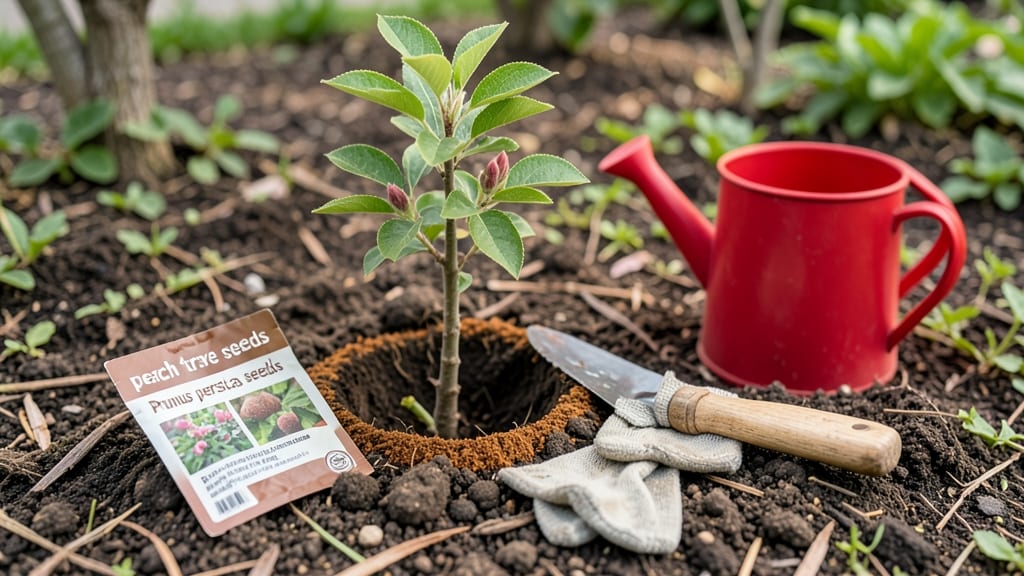
Planting peach tree seeds feels like betting on a future harvest—with the right approach, you’ll get reliable blooms next spring. 🌱 I’ve tried this twice, and while it’s not a guarantee, the process reveals how peach trees really grow (hint: it’s not like store-bought saplings).
The key is patience, since seed-grown trees take 3-5 years to fruit, but the journey teaches you more about orchard care than buying a grafted tree ever will.
The first step is saving fresh seeds from a ripe peach—no store-bought varieties, since they’re often sterile. After a 90-day cold stratification (mimicking winter), you’ll plant them 1/2 inch deep in well-draining soil.
Most gardeners skip this step and wonder why their seeds never sprout. The trick is consistency: keep soil moist but never soggy, and expect germination in 4-8 weeks—if at all.
What you’ll end up with is a hardy young tree that develops its own root system, making it drought-resistant once established. The trade-off? Seedlings may not fruit true to the parent peach’s flavor or size—unlike grafted trees, which are bred for consistency.
Still, the thrill of watching a tree you nurtured from seed burst into bloom makes it worth the gamble.
Perfect for backyard experimenters or those curious about heirloom varieties. Here’s how to set it up without the common pitfalls—starting with the right seed source and soil prep.
📚 In This Guide
- What you need
- Instructions
- Tips and common mistakes
- Wrapping up and next steps
What you need
- ● Peach pits/seeds: 3–5 fresh, plump pits from ripe peaches (avoid store-bought peaches—use homegrown or organic for best results).
- ● Small pots or containers: 4–6 (4–6 inches deep) with drainage holes. Tip: Use biodegradable pots for easy transplanting!
- ● Potting soil: Well-draining, sterile mix (or a blend of 50% peat moss + 50% perlite/sand).
- ● Watering can or spray bottle: For gentle hydration (avoid overwatering!).
- ● Plastic wrap or humidity dome: To create a mini greenhouse effect.
- ● Patience: Peach trees from seed take 3–5 years to bear fruit—plan ahead!
- ○ Rooting hormone: Speeds up germination (optional but highly recommended for finicky seeds).
- ● Grow lights: If natural light is limited (12–14 hours/day for seedlings).
- ● Fertilizer (low-nitrogen): Like 5-10-10 or compost tea, once seedlings sprout true leaves.
- ● Label markers: To track seed varieties (especially if testing multiple pits!).
- ● Garden gloves: For handling pits—peach pits contain amygdalin, which can be toxic if ingested in large amounts.
How to plant peach tree seeds for reliable blooms
Start your peach tree from seed with this foolproof method—no twists, no surprises, just strong roots and next year's blossoms.
🌱 Step 1: Extract and Stratify the Seeds
Peach pits need 60-90 days of cold stratification to break dormancy. Remove the seed from the pit by cracking it open with a nutcracker or hammer. The seed sits inside the pit like a tiny peach—carefully pry it free without damaging the smooth, brown shell. Place each seed in a small paper towel or mesh bag and store them in a sealed container with moistened peat moss or sand. Keep the container in your refrigerator's crisper drawer where temperatures stay 34-40°F.
Check the seeds every 2 weeks—they should feel damp but not soggy. If mold appears, discard those seeds and refresh the moisture. This cold treatment mimics winter's chill, preparing the seed to sprout when spring arrives. Real talk: patience here pays off—skipping stratification means waiting years for germination, if it ever happens.
🌱 Step 2: Prepare Containers and Soil Mix
Use 4-inch deep pots with drainage holes for each seed. Fill them with a mix of 50% sterile potting soil and 50% perlite—this ensures airflow and prevents rot. I like to add a handful of compost to the mix for nutrients, but avoid garden soil (it's too dense and may harbor diseases). Moisten the mix until it's damp like a wrung-out sponge, then let it sit for 10 minutes to settle.
Tap the pot gently on your work surface to eliminate air pockets. The soil should be level but not packed down—you want it loose enough for delicate roots to push through. Here's the thing: peach seeds are sensitive to compacted soil, so don't press too hard. A light pat with your fingers works best.
💧 Step 3: Plant and Maintain Moisture
Plant one seed per pot, placing it ½ inch deep with the pointed end facing upward. Cover it lightly with soil and water gently until the surface looks uniformly damp. Place the pots in a warm, bright location (around 70°F) but not in direct sunlight—young seedlings can scorch before they emerge. A seedling heat mat set to 75°F speeds up germination, but it's not required.
Keep the soil consistently moist—not soggy, not dry. I use a spray bottle to mist the surface every 2-3 days until germination occurs. Watch for tiny cracks in the soil or a slight rise where the seedling is pushing through. Germination takes 4-12 weeks, depending on the seed's readiness. Don't rush it—overwatering now will rot the seed before it sprouts.
☀️ Step 4: Transplant and Acclimate Seedlings
Once the seedling reaches 4-6 inches tall with 3-4 true leaves, it's ready to move outdoors. Choose a sunny, sheltered spot with well-draining soil—peach trees hate soggy roots. Dig a hole twice as wide as the pot but only as deep as the root ball. Gently remove the seedling, loosen the roots if they're circling, and place it in the hole.
Backfill with soil, firm it lightly, and water deeply. Mulch around the base with 2-3 inches of organic mulch to retain moisture and regulate soil temperature. Here's where it gets fun: watch the new leaves emerge within a week—that's your signal everything is working. Harden off the seedling by gradually increasing outdoor exposure over 10-14 days before leaving it in the ground full-time.
⏰ Step 5: Prune and Care for Winter Hardiness
In its first year, focus on root development—peach trees need strong roots to support blooms later. Prune any weak or crossing branches in early spring, cutting just above a bud or outward-facing leaf. Avoid heavy pruning; you're shaping, not shaping drastically. Fertilize lightly with balanced 10-10-10 in early spring and again after flowering, but skip heavy feeding—you want roots, not leaves.
Winter care is critical. Wrap the trunk with tree guard to protect it from voles and rabbits, and mound 4-6 inches of mulch around the base to insulate roots. Peach trees are tender in cold climates—if you're in Zone 5 or colder, consider growing in a large container that you can move to a sheltered spot in winter. You'll know you're on track when the tree bursts into pink blossoms by its third spring.
Tips & tricks for reliable peach tree seed germination
These insider tricks will help you avoid the most common pitfalls while nurturing your peach tree seeds into strong, blooming saplings.
Stratification Success: The 60-90 days of cold treatment is non-negotiable for peach seeds, but here's the secret: use a small plastic bag with a tiny hole for drainage instead of paper towels. This creates a more stable moisture environment and reduces mold risk. I've found that placing the sealed containers in a zip-top bag with a damp paper towel actually maintains humidity better than loose peat moss. Check every 2 weeks by gently squeezing—it should feel like a damp sponge, not a soaked washcloth. If you notice any fuzzy growth, that's mold and you'll need to start fresh with new seeds and sterilized materials.
Soil Mix Secrets: When preparing your 50-50 potting soil and perlite mix in Step 2, I recommend adding a handful of worm castings instead of compost. Worm castings provide gentle, balanced nutrition without the risk of introducing pathogens found in garden compost. After mixing, let the soil settle for those exact 10 minutes while you tap out air pockets—this prevents compaction that can suffocate delicate roots. Pro tip: Use a small hand tamper or even a wooden spoon to gently press the soil around each planted seed, creating firm but not dense contact that helps anchor the seedling as it emerges.
Germination Timing: Those 4-12 weeks of germination can feel like an eternity, but don't be tempted to speed things up with heat lamps or direct sunlight. The warm, bright location at 70°F is ideal—think of it as creating a controlled spring environment. I've seen seeds germinate in as little as 3 weeks when everything's perfect, but others take the full 12 weeks. The key is consistency: maintain that moisture level (not soggy, not dry) and avoid moving the pots around. Once you see those first tiny cracks in the soil, resist the urge to water immediately—let the seedling establish itself before giving it more moisture.
Transplanting Transition: When your seedlings reach 4-6 inches with 3-4 true leaves in Step 4, the outdoor transition requires patience. Before moving them outside full-time, I recommend a gradual process: start with 1 hour of morning sun on day 1, then add 1 hour of afternoon sun on day 2, and so on. This hardening-off period should mirror the 10-14 days mentioned, but spread it over 2 weeks rather than rushing. Watch for any yellowing leaves—this is a sign the plant is stressed from too much sun too soon. Also, time your transplant for late spring when nighttime temperatures consistently stay above 50°F to prevent shock.
Pro Tips for Peach Tree Seed Planting
- These insider tricks will help you avoid the most common pitfalls while nurturing your peach tree seeds into strong, blooming saplings.
- Stratification Success: The 60-90 days of cold treatment is non-negotiable for peach seeds, but here's the secret: use a small plastic bag with a tiny hole for drainage instead of paper towels.
- Soil Mix Secrets: When preparing your 50-50 potting soil and perlite mix in Step 2, I recommend adding a handful of worm castings instead of compost.
Frequently asked questions
Got questions about growing peach trees from seed? You’re not alone—this method takes patience and care! Below, we’ve rounded up the most common queries to help you navigate the process with confidence.
How long does it take for a peach tree grown from seed to bear fruit?
A peach tree from seed can take 5–10 years to produce fruit, compared to just 2–3 years for a grafted tree. Patience is key—seedlings may also yield smaller, less predictable fruit. If you’re eager for harvests, consider grafting a known variety onto your seedling later!
What’s the best time of year to plant peach tree seeds?
Plant seeds indoors in late winter or early spring (6–8 weeks before the last frost) for best results. Outdoors, wait until spring after all frost risk has passed (Zone 7+). Seeds need warmth to germinate—stratification (cold treatment) can help if your climate is chilly.
Can I use store-bought peach pits for planting?
Yes! Just ensure the pit is fresh and fully ripe—older seeds may not germinate well. Remove the pit from the peach, clean off flesh, dry it, and store in a cool, dry place until planting. Avoid pits from hybrid or treated fruit, as they may not grow true to type.
Why isn’t my peach seed germinating? Troubleshooting tips.
Common issues include:
- No moisture: Keep soil consistently damp (not soggy) during germination.
- Poor stratification: If your climate is cold, chill seeds in a damp paper towel in the fridge for 4–6 weeks before planting.
- Old seeds: Fresh pits (from the current season) have the highest success rate.
- Fungal issues: Sterilize soil and use well-draining pots to prevent rot.
Is it better to grow a peach tree from seed or buy a sapling?
Seed-grown trees are hardier and disease-resistant but may not match the parent tree’s fruit quality. Saplings (grafted varieties) fruit faster and more reliably. For home gardeners, start with seeds for rootstock, then graft a named variety later—this gives you the best of both worlds!
Wrapping up and next steps
Growing a peach tree from seed is a rewarding journey filled with patience and promise! 🌱 While it may take time for your seedling to bear fruit, the joy of nurturing a tree from the ground up—and eventually enjoying its fragrant blooms—is unmatched.
Start small, stay consistent, and soon you’ll be savoring the sweet taste of success.
Ready to take the next step? Research local climate zones and soil conditions to give your young tree the best chance at thriving. Happy planting! 🌳