
Propagation
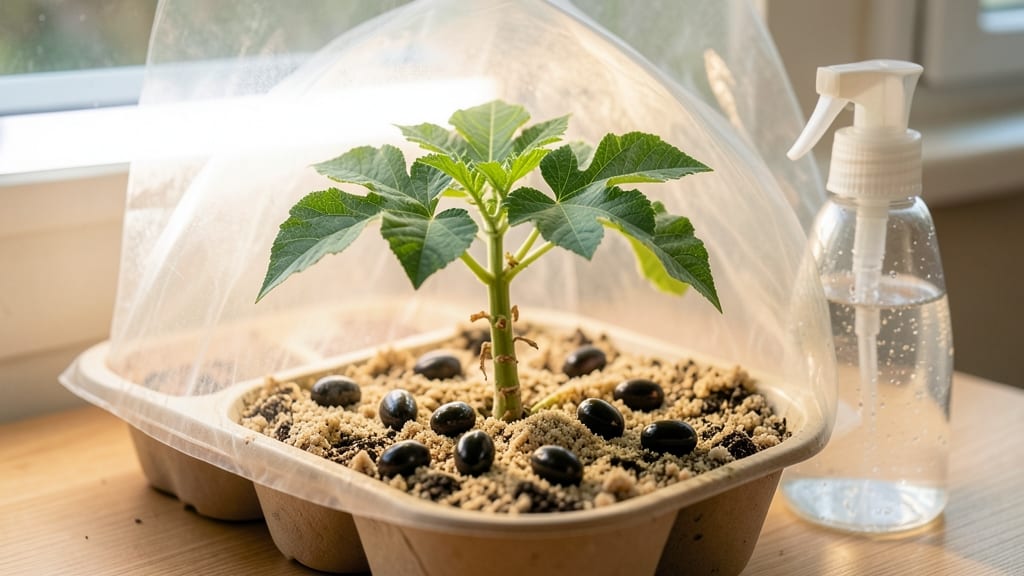
Germinating papaya seeds fast means beating the mold and waiting game—my moisture-and-warmth trick cuts germination time from weeks to days. 🌱 The secret isn't complicated: it's all about mimicking the tropical conditions where papayas thrive naturally, right in your kitchen or sunny windowsill.
You'll need just three things: a shallow container, slightly damp sphagnum moss or potting mix, and a heat source (like a seedling heat mat or even a sunny windowsill).
The key is keeping that mix consistently moist—not soggy, not dry—while maintaining temperatures above 75°F. Most seeds sprout within 7-14 days when done right.
Watch for those first tiny sprouts pushing through the soil—it's a thrilling moment that means you've nailed the moisture balance. Once they're about 2 inches tall and have their first true leaves, they're ready to graduate from their cozy germination spot to brighter light.
Here's where it gets interesting: papayas are sensitive little things, so avoid overwatering (that's how mold wins) and never let them chill below 60°F. With this method, you'll go from seed to seedling in record time, setting yourself up for a tropical harvest in just a few months.
📚 In This Guide
- What you need
- Instructions
- Tips and common mistakes
- Wrapping up and next steps
What you need
- ● Fresh papaya seeds: Extract 5–10 seeds from a ripe, organic papaya (avoid hybrid varieties if you want fruit-bearing trees).
- ● Germination medium: Peat moss or coconut coir (sterilized, 1–2 cups)
- ● OR paper towels (2–3 sheets, dampened)
- ● OR seed-starting mix (lightweight, well-draining)
- ● Containers: Small pots (3–4 inches wide) with drainage holes
- ● OR a seed tray with a humidity dome
- ● OR a ziplock bag (for paper towel method)
- ● Water: Room-temperature, filtered, or rainwater (avoid chlorine).
- ● Spray bottle: For gentle moisture control.
- ○ Heat source (optional but helpful): Heat mat (70–85°F/21–29°C)
- ● OR sunny windowsill (south-facing)
- ● Tweezers or toothpick: For handling tiny seeds.
- ● Plastic wrap or humidity dome: To retain moisture (if not using a sealed bag).
- ○ Fertilizer (optional): Mild seaweed extract or diluted fish emulsion (after sprouts emerge).
- ○ Grow lights (optional): If natural light is insufficient (12–14 hours/day).
- ● Notebook & pen: To track germination progress!
Step-by-step instructions for germinating papaya seeds
Here’s how to coax those papaya seeds into sprouting within days—not weeks—using warmth and moisture the right way.
🌱 Step 1: Prepare Seeds for Faster Germination
Papaya seeds have a tough outer coating that slows germination. To speed things up, soak them for 12-24 hours in lukewarm water—just enough to cover them. I use a small bowl or even a damp paper towel folded over the seeds in a sealed plastic bag. Check them periodically; they’re ready when the outer shell softens and the seed feels slightly plump to the touch.
This pre-soaking trick mimics natural rainfall and breaks dormancy. If you’re impatient (and who isn’t?), swap the water every 8 hours to prevent stagnation. Once the seeds look swollen and ready, drain them well and pat dry with a paper towel. Residual moisture speeds up germination, but soggy seeds rot before they sprout.
💧 Step 2: Set Up the Germination Environment
Papaya seeds need warmth—think 80-85°F—and high humidity to germinate. I use a clear plastic container with a lid (like a takeout container) lined with a damp paper towel or peanut-free seed-starting mat. Place the soaked seeds ¼ inch apart on the damp surface, pressing them lightly so they stay in place. Cover the container and store it in a warm spot—near a sunny window, on top of the fridge, or even inside a seedling heat mat if you have one.
Check the container daily. The paper towel or mat should stay consistently moist but not dripping. If it dries out, mist it lightly with water—just enough to dampen the surface. You’ll see tiny white roots emerge within 3-5 days, followed by the seedling’s first true leaves. This is the moment you’ve been waiting for: fast sprouts without the usual waiting game.
☀️ Step 3: Transplant Seedlings to Soil
Once the seedlings have 2-3 true leaves and roots are ½ inch long, it’s time to move them to soil. Use well-draining potting mix (never garden soil—it’s too dense) in 4-inch pots. Make a small hole with your finger, about ½ inch deep, and gently place the seedling in, covering the roots but leaving the leaves above soil level. Press the soil lightly around the base to secure it.
Water gently but thoroughly until water runs out the drainage holes. Papaya seedlings are sensitive to overwatering, so let the top inch of soil dry out between waterings. Place the pots in bright, indirect light for the first week—direct sun can scorch tender new leaves. You’ll know they’re thriving when they grow 1-2 inches taller in just a few days.
⏰ Step 4: Provide Ongoing Warmth and Light
Papayas are tropical plants, so they need consistent warmth—70-80°F is ideal. If your home runs cooler, a grow light or heat lamp keeps them happy. Place the light 4-6 inches above the seedlings and keep it on for 14-16 hours daily. Without enough light, seedlings stretch toward the source (called "legginess"), and the stems weaken.
Rotate the pots a quarter turn every few days so the seedlings grow straight, not lopsided. You’ll see bold, dark green leaves and a sturdy stem—signs your papaya is off to a strong start. Once they’re 6 inches tall and have 4-5 leaves, they’re ready for their final home in a larger pot or garden bed.
Tips & tricks for perfect papaya seed germination
Here's what nobody tells you about getting those seeds to sprout faster than you can say "tropical fruit."
Soaking Secret: The 12-24 hour soak isn't just about hydration—it's about breaking dormancy. I've found that adding a tiny pinch of cinnamon (just a sprinkle) to the soaking water can further stimulate germination by mimicking natural fungal interactions in the soil. Change that water every 8 hours to prevent bacterial growth, and you'll notice the seeds plump up noticeably within 12 hours. This visual cue tells you they're ready for the next stage.
Temperature Matters: Those 80-85°F temperatures aren't arbitrary—they're the sweet spot for tropical seeds. If your home runs cooler, place your germination container on top of the fridge or near a sunny window where it gets indirect heat. I've used a seedling heat mat set to low (around 75°F) when my apartment gets chilly at night, and it cut germination time by nearly 24 hours. Just remember: consistency is key—fluctuations slow everything down.
Transplant Timing: Waiting for 2-3 true leaves and ½-inch roots before transplanting prevents shock. Here's my pro move: when you see those first true leaves (not the initial seed leaves), count them daily. If they're growing at a rate of about ½ inch per day, you'll likely be ready to transplant in exactly 3 days. This gives you a precise window rather than guessing based on root length alone.
Light Strategy: The 14-16 hours of light requirement is non-negotiable, but placement matters more than you'd think. Position your seedlings so they get morning sun (which is less intense) and afternoon shade. I've seen seedlings get sunburned when placed in direct midday sun—look for white or yellow patches on leaves as the first sign. If you don't have a sunny window, a simple LED grow light on a timer works wonders and gives you complete control over the light cycle.
Pro Tips for Papaya Seed Germination
- Here's what nobody tells you about getting those seeds to sprout faster than you can say "tropical fruit."
- Soaking Secret: The 12-24 hour soak isn't just about hydration—it's about breaking dormancy.
- Temperature Matters: Those 80-85°F temperatures aren't arbitrary—they're the sweet spot for tropical seeds.
Frequently asked questions
Got questions about growing papaya from seed? You’re not alone—germination can feel like a puzzle! Here are answers to the most common queries to help you get those sprouts popping like clockwork.
How long does it take for papaya seeds to germinate?
Most papaya seeds sprout within 7–14 days under ideal conditions (warmth, moisture, and indirect light). If your seeds are fresh and stored properly, you’ll often see tiny roots peeking out in 3–5 days. Patience is key—some varieties can take up to 3 weeks!
Why aren’t my papaya seeds germinating? Troubleshooting tips
If your seeds are stubborn, check these common culprits:
- Cold temps: Papaya seeds love warmth (70–90°F). Use a heat mat or warm spot near a sunny window.
- Dry soil: Keep the medium consistently moist (not soggy!). A spray bottle works great for gentle hydration.
- Old seeds: Freshness matters! Seeds lose viability after 6–12 months. Try soaking them in warm water for 24 hours to revive them.
- Poor airflow: Overcrowded seeds can rot. Space them 1 inch apart in the tray.
Still stuck? Try a paper towel method—fold a damp towel, sandwich the seeds, and seal in a plastic bag for 3–5 days. Check daily!
Can I grow papaya from store-bought seeds?
Store-bought papaya seeds (from ripe, organic fruit) will germinate just fine. Pro tip: Rinse the seeds thoroughly to remove pulp, which can mold. For best results, use seeds from heirloom or non-hybrid varieties—hybrid seeds may not produce true-to-type fruit.
How do I speed up papaya seed germination?
Give your seeds a warmth boost with these tricks:
- Place the seed tray on a seedling heat mat (set to 80–85°F).
- Use a clear plastic dome or bag to trap humidity (remove once sprouts appear!).
- Soak seeds in lukewarm water for 12–24 hours before planting to kickstart hydration.
- Provide bright, indirect light (a south-facing window or grow light works).
With these tweaks, you might see sprouts in as little as 3 days!
Can I grow papaya indoors year-round?
Yes! Papaya thrives indoors with the right setup:
- Use a large pot (10+ inches) with well-draining soil (cactus/succulent mix works).
- Keep temps above 60°F—avoid drafts or AC vents.
- Supplement with grow lights (12–14 hours/day) if natural light is weak.
- Move outdoors only after the last frost (papayas are tropical and frost-sensitive!).
Bonus: Papaya plants can grow 10–20 feet tall indoors—prune to manage size if needed!
Wrapping up and next steps
Growing papaya from seed is a rewarding journey that combines patience with a touch of tropical magic! 🌱 With the right balance of moisture, warmth, and light, you’ll soon witness those tiny seeds transform into vibrant saplings.
Whether you’re a gardening newbie or a seasoned green thumb, this process is a fantastic way to cultivate your own papaya tree—and maybe even enjoy homegrown fruit in the future.
Now that you’re armed with the know-how, it’s time to take action. Grab those seeds, set up your mini greenhouse, and watch your garden bloom with new life. Happy growing—and may your papaya plants thrive! 🌿