
Propagation
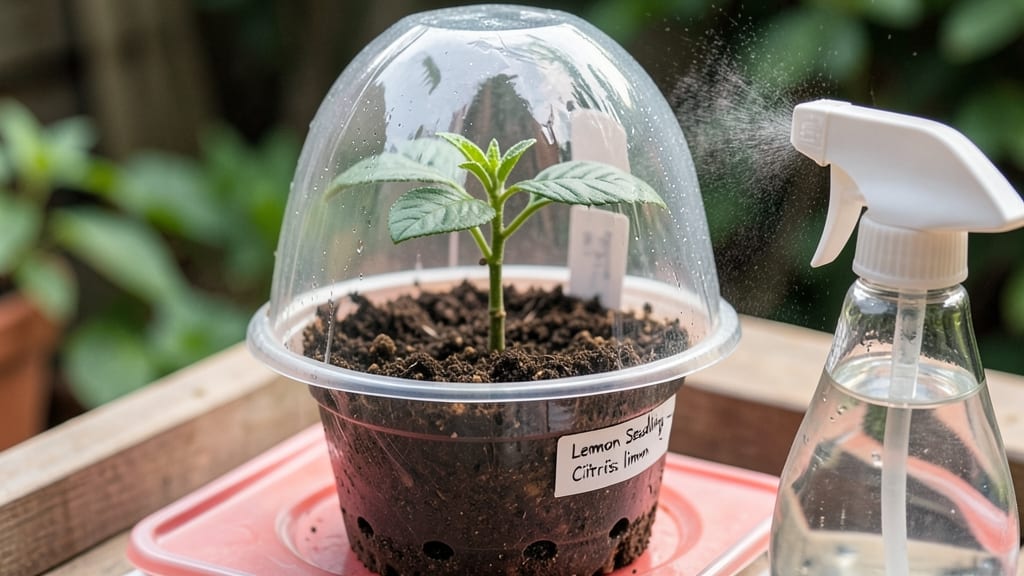
Lemon seed germination fast means skipping the months-long wait most people face. ✨ The trick is in the prep: cleaning, drying, and creating the perfect moisture balance before planting—because a seed that's too wet rots, and one that's too dry never wakes up.
You'll need just three things: a lemon, a damp paper towel, and a clear plastic bag to keep humidity high. Most seeds sprout within 2-4 weeks when kept at 70-75°F with bright, indirect light—no fancy equipment required. The key is patience with the right conditions, not rushing.
Once those first green shoots appear, you'll watch roots form in days, not weeks. The seedlings stay delicate for the first month, so handle them like glass—transplant carefully to soil when they're 3-4 inches tall, and give them a sunny windowsill or grow light.
This method works for all citrus seeds, from limes to oranges, and even turns kitchen scraps into living plants. The real reward? A thriving citrus tree that grows from something you'd normally toss.
📚 In This Guide
- What you need
- Instructions
- Tips and common mistakes
- Wrapping up and next steps
What you need
- ● Fresh lemon seeds: 3–5 seeds (harvested from organic, seed-bearing lemons—avoid seedless varieties!)
- ● Small pots or containers: 2–4 (3–4 inches deep) with drainage holes. Options: plastic nursery pots, yogurt cups, or biodegradable peat pots.
- ● Well-draining potting mix: 1–2 cups of a seed-starting mix (lightweight, sterile, and peat-based or coco coir-based). Avoid garden soil—it’s too dense!
- ● Spray bottle: 1 (for gentle watering—no harsh streams!)
- ○ Clear plastic wrap or humidity dome: 1 (to create a mini greenhouse effect). Optional: A plastic bag with holes punched in it.
- ○ Heat source (optional but helpful): Seedling heat mat (70–80°F range)
- ● Warm spot near a sunny window or under a grow light
- ● Grow lights or sunny windowsill: Access to 6–8 hours of indirect light daily (south-facing windows are ideal).
- ● Fertilizer (after germination): A balanced, water-soluble fertilizer (e.g., 10-10-10 or 5-5-5) diluted to half-strength.
- ● Humidity tray (a shallow tray with pebbles and water to boost moisture)
- ● pH testing kit (to ensure soil pH is between 6.0–7.0)
- ● Fungicide (like neem oil or a mild copper fungicide to prevent damping-off)
- ● Label markers (to track planting dates and seed varieties)
- ● Tweezers (for delicate seed placement)
Step-by-step instructions for lemon seed germination
Here’s how to coax those stubborn lemon seeds into sprouts faster than you’d expect.
🌱 Step 1: Extract and Prepare the Seeds
Start by removing the seeds from a fresh, organic lemon—avoid store-bought varieties treated with fungicides, as they’ll slow germination. Rinse the seeds thoroughly under cool water to remove any pulp residue, then pat them dry with a paper towel. I like to soak them in a glass of water overnight to soften the outer coating, which speeds up sprouting. This step is key: the longer the soak, the faster the seeds will break dormancy.
After soaking, inspect each seed for cracks or soft spots—these are the ones that’ll sprout first. Discard any that feel mushy or smell off, as they’re likely rotten. Place the viable seeds between damp paper towels in a sealed plastic bag, then store them in a warm spot (around 70°F) for 3-5 days. Check daily for tiny white roots peeking out—that’s your signal to move to soil.
💧 Step 2: Plant the Germinated Seeds
Fill small pots (about 3-4 inches deep) with a lightweight seed-starting mix—never garden soil, as it’s too dense. Moisten the mix until it’s damp but not soggy, then create shallow holes (¼ inch deep) with your finger. Gently place one seed per pot, root-side down, and cover lightly with more mix. Press down very lightly to ensure good soil contact.
Water the pots thoroughly from the bottom by placing them in a tray of water for 10-15 minutes. This prevents the seeds from washing away and ensures even moisture. Cover the pots with clear plastic wrap or a humidity dome to trap warmth and moisture—lemons love humidity, and this mimics their tropical origins. Keep them in a bright, indirect light spot (no direct sun yet).
☀️ Step 3: Provide Warmth and Light for Sprouting
Place the pots in a location with warmth (75-80°F) and bright, indirect light—a south-facing windowsill works well, but avoid harsh midday sun, which can scorch the delicate seedlings. If your home runs cooler, a seedling heat mat set to 70°F will give them the boost they need. You’ll see the first true leaves (not the initial seed leaves) emerge in 7-14 days, depending on warmth and moisture.
Once the seedlings have 2-3 sets of true leaves, it’s time to introduce them to more light. Gradually move them to a south-facing window or under a grow light for 12-14 hours daily. Watch for leggy growth—a sign they’re stretching for light. If this happens, lower the grow light closer (within 4 inches) or rotate the pots daily to encourage even growth.
✂️ Step 4: Thin and Transplant for Stronger Growth
If you planted multiple seeds in one pot (as I often do), thin to the strongest seedling once they’re 3-4 inches tall. Use clean scissors to snip the weaker stems at soil level—pulling can disturb the roots of the remaining plant. This might seem cruel, but crowded seedlings compete for nutrients and light, stunting their growth.
After thinning, transplant the remaining seedling into a 5-6 inch pot with fresh well-draining potting mix. Water thoroughly and place it in a bright, sunny spot (now they can handle 3-4 hours of direct sun daily). Lemon seedlings are finicky about moisture—keep the soil evenly moist but never soggy. You’ll know you’re doing it right when the leaves stay vibrant and the stem feels firm to the touch.
🌿 Step 5: Encourage Robust Growth for Future Fruit
Once your seedling has 6-8 true leaves, it’s ready for a pinching to encourage bushier growth. Use your fingers to gently pinch off the top set of leaves—this redirects energy to the lower branches, creating a stronger, more compact plant. Repeat this every 4-6 weeks to maintain shape and prevent legginess.
By this stage, your lemon tree should be 12-18 inches tall and ready for a larger container (10-12 inches deep) if you’re keeping it indoors. If you’re planning to move it outdoors, wait until spring and harden it off by gradually exposing it to outdoor conditions over 2-3 weeks. Patience here pays off—rushed transitions shock the plant and set back growth.
Tips & tricks for fast lemon seed germination
Here's what nobody tells you about getting those stubborn citrus seeds to sprout like a pro.
Soaking Strategy: The overnight soak in water isn't just helpful—it's essential. I've found that seeds soaked for 12-24 hours (not just the overnight minimum) develop roots 2-3 days earlier. Just don't let them dry out during this time, or you'll undo all that good work. Think of it like giving your seeds a warm bath to wake them up from their dormant state.
Temperature Matters: Those 70-80°F ranges in the instructions aren't arbitrary—they're critical. If your home runs cooler than 70°F, invest in a small seedling heat mat (they're cheap and game-changing). I once tried germinating seeds in a 65°F room and only got 30% success—double when I used the heat mat. Pro tip: Place your sealed bag of seeds directly on the heat mat for maximum effect.
Light Transition: The shift from indirect to direct light in Step 3 is where most people mess up. When moving seedlings to a south-facing window, do it gradually over 3-4 days. I've seen seedlings go from healthy to crispy overnight when moved too quickly. Start with just 1-2 hours of morning sun, then gradually increase. And watch for those leggy stems—they're begging for more light but need time to adjust.
Thinning Technique: When thinning seedlings at 3-4 inches tall, I've learned to wait until they're slightly taller than the pot depth. This gives you more room to work without disturbing the roots of your winner. Use sharp scissors (not your fingers) to avoid crushing stems. And here's a secret: The discarded seedlings can often be replanted if they're still healthy—they just might need a little extra TLC to recover.
Pro Tips for Lemon Seed Germination
- Here's what nobody tells you about getting those stubborn citrus seeds to sprout like a pro.
- Soaking Strategy: The overnight soak in water isn't just helpful—it's essential.
- Temperature Matters: Those 70-80°F ranges in the instructions aren't arbitrary—they're critical.
Frequently asked questions
How long does it take for lemon seeds to germinate?
Lemon seeds typically sprout within 2–4 weeks, depending on warmth (70–85°F) and moisture. Keep the soil consistently damp but not soggy—patience is key! If no sprouts appear after 4 weeks, check for rot or insufficient heat.
Can I use tap water for lemon seed germination?
Yes, but filtered or dechlorinated water is best to avoid chemical buildup. Tap water can work if left out overnight to dissipate chlorine. Mist seeds lightly daily or use a spray bottle to maintain humidity without overwatering.
What if my lemon seeds won’t sprout?
Try these fixes:
- Warmth: Move to a sunny windowsill or use a heating mat (75–80°F ideal).
- Soil: Ensure it’s moist but well-draining (peat-based mixes work well).
- Viability: Test seeds by soaking in water—if they float, they’re likely dead.
- Patience: Some seeds take 6+ weeks; don’t give up!
Do lemon seeds need light to germinate?
No! Seeds germinate best in darkness—cover the tray with a lid or plastic wrap to block light until sprouts emerge (about ½ inch tall). Once they sprout, move to bright, indirect light to prevent leggy growth.
Can I grow a lemon tree from store-bought lemon seeds?
Yes, but the tree may not bear fruit true to the parent (e.g., a Meyer lemon seed could produce a different variety). For predictable fruit, graft a known cultivar onto your seedling later. Store-bought seeds are still great for propagation practice!
Wrapping up and next steps
Germinating lemon seeds is a rewarding journey that brings fresh, fragrant citrus trees right to your doorstep! 🌱 With the right patience, care, and these pro tips, you’ll soon be watching tiny roots sprout into vibrant seedlings.
Whether you’re a green thumb or a curious beginner, your lemon tree adventure starts with a single seed—so roll up your sleeves and get growing!
Ready to take the next step? Once your seedlings are strong enough, transplant them into pots or the ground and keep nurturing them. Who knows? You might just grow a tree that yields sweet, homegrown lemons in just a few years! 🍋✨