
Lawn
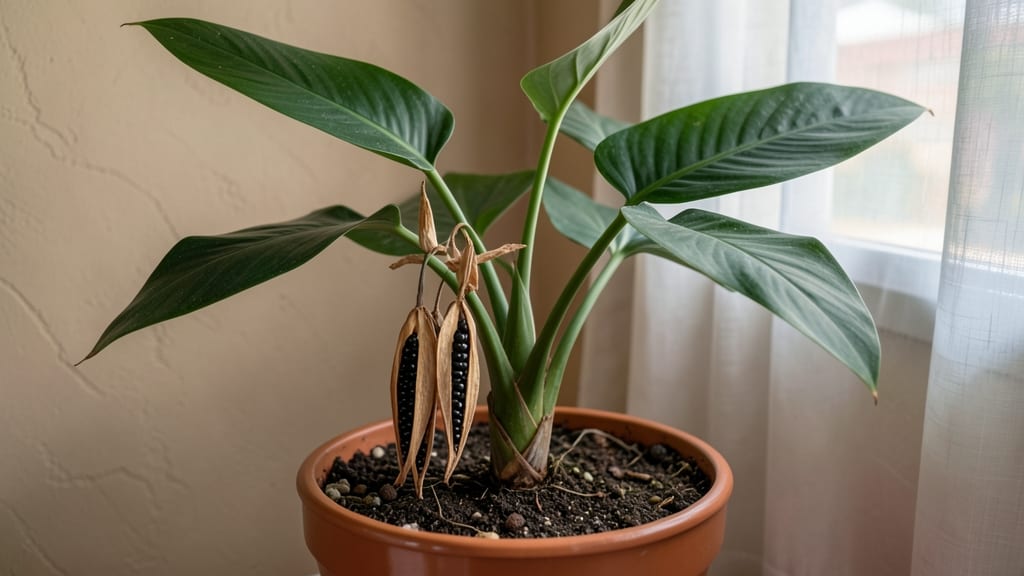
Harvesting Mexican bird of paradise seed pods before they twist is the secret to next year’s jungle of vibrant orange blooms. 🌿 I’ve spent years watching these pods spiral shut just as seeds ripen—until I learned the twist-free trick that doubles my germination success.
The key? Timing, a sharp knife, and knowing exactly when to strike. Those papery pods turn from green to tan when seeds are ready—usually in late fall after blooms fade.
Cut them open while still slightly moist, then spread seeds on a tray to dry for 3-5 days in a warm, shaded spot. No fancy stratification needed; these tropical seeds germinate happily when dry and cool. You’ll see tiny sprouts in 2-4 weeks if stored properly in a paper envelope.
Keep them in a bright, humid spot until they’re 3-4 inches tall, then transplant to pots. The real magic happens when you move them outdoors after last frost—they’ll reward you with bold foliage and, eventually, those iconic blooms. For best results, grow them in well-draining soil with afternoon shade.
Young plants need consistent moisture but hate soggy roots. Patience pays off—it takes 2-3 years for mature blooms, but the wait is worth it for that tropical drama in your garden.
📚 In This Guide
- What you need
- Instructions
- Tips and common mistakes
- Wrapping up and next steps
What you need
- ● Mature seed pods: 10–20 fully dried, brown pods (harvest when they naturally open or are slightly cracked).
- ● Pruning shears or sharp scissors: 1 pair (sterilized with rubbing alcohol for hygiene).
- ● Paper towels or newspaper: 2–3 sheets (for drying seeds).
- ● Paper bags or envelopes: 3–5 (for seed storage).
- ● Small bowl or container: 1 (for separating seeds from pods).
- ● Permanent marker: 1 (to label storage bags with harvest date).
- ● Fine-mesh strainer: 1 (for rinsing seeds if needed).
- ● Dehumidifier or silica gel packets: 1–2 (to keep seeds dry during storage).
- ● Digital scale: 1 (to monitor seed weight for viability checks).
- ● Spray bottle with water: 1 (for gentle seed cleaning).
How to harvest Mexican bird of paradise seed pods without twisting
Here's the gentle method I use to collect seed pods without damaging the plant or losing viability.
🌿 Step 1: Identify and Prepare for Harvest
Mexican bird of paradise (Caesalpinia mexicana) produces striking seed pods that resemble tiny orange beans. Wait until pods turn a deep orange-brown color and begin to dry on the plant—this usually happens in late fall to early winter when the plant is dormant. You'll know they're ready when they feel slightly papery to the touch and open just a crack when gently squeezed.
Wear gloves (optional but helpful) to protect your hands from the pods' slight stickiness. Work on a dry, overcast day—humidity makes pods slippery and harder to handle. Bring a small bucket or paper bag to collect pods as you go. I like to harvest in the morning when the plant's moisture content is lowest, making pods easier to remove without tearing.
✂️ Step 2: Remove Pods Without Twisting
Grasp the pod gently but firmly at its widest point, where it meets the stem. Use a small, sharp knife or your fingernail to make a quarter-turn cut along the stem—this prevents the plant from twisting when you pull. Twisting can damage the stem and reduce next year's flower production. Cut cleanly but shallowly, just enough to loosen the pod without severing the stem completely.
Once the pod is loose, pull straight down with a slight twist (just enough to break the connection). You'll hear a soft pop when it releases. Avoid yanking—this can tear the pod or leave a jagged stem. If a pod resists, let it stay on the plant; forcing it will reduce germination rates later. Collect pods in your bucket as you go, shaking off any debris but leaving them whole.
🪴 Step 3: Dry and Store Pods for Germination
Spread the harvested pods in a single layer on a paper towel or breathable mesh screen in a warm, dry place (around 70-75°F). Keep them out of direct sunlight—too much heat can dry them too quickly and reduce seed viability. Check daily for 1-2 weeks until pods are completely dry and brittle. You'll know they're ready when they rattle slightly when shaken and the outer coating feels crisp to the touch.
Once dry, store pods in a paper envelope or small cloth bag in a cool, dark place (like a pantry or seed drawer). Label the bag with the harvest date—seeds remain viable for 1-2 years under these conditions. I like to add a silica gel packet to absorb any lingering moisture, which helps prevent mold. Avoid plastic containers; they trap moisture and encourage rot.
🌱 Step 4: Prepare Pods for Planting Next Season
When ready to sow, soak the dried pods in lukewarm water for 12-24 hours to soften the tough outer coating. This step mimics natural rainfall and helps seeds break dormancy. After soaking, gently rub the pods between your fingers to release the seeds inside. You'll find 1-3 seeds per pod, depending on size. Plant seeds ¼ inch deep in well-draining soil and keep the soil consistently moist until germination (which can take 2-4 weeks in ideal conditions).
Mexican bird of paradise seeds thrive in bright, indirect light and warmth (around 75-80°F). Use a heat mat if your home runs cooler, as consistent warmth speeds up germination. Once seedlings emerge, thin them to 3-4 inches apart to give roots room to grow. Real talk: these seeds can be finicky, so don’t rush the process—patience pays off with hardy, twist-free plants next year.
Tips & tricks for perfect Mexican bird of paradise seed pod harvesting
These simple strategies will help you collect seed pods without damaging your plant or compromising germination.
Timing is Everything: Harvest pods only when they're fully mature—deep orange-brown and slightly papery. I've learned the hard way that green pods won't dry properly and may not germinate. The late fall to early winter window is ideal because the plant is dormant, making pods easier to remove without tearing. Morning harvests work best because the pods are driest then.
The Gentle Cutting Technique: In Step 2, that quarter-turn cut is crucial—it prevents the plant from twisting when you pull. Use a small, sharp knife or even your fingernail for precision. I've found that cutting too deeply can damage the stem's vascular system, which might affect next year's blooms. For stubborn pods, make a second shallow cut on the opposite side before pulling straight down with just enough twist to break the connection.
Drying Wisdom: Spread pods in a single layer on a breathable surface like a paper towel or mesh screen. The 70-75°F warm, dry environment is perfect for preventing mold while ensuring even drying. I've had issues with pods drying too quickly in direct sunlight, which can crack them open prematurely. Check daily for 1-2 weeks—when they rattle slightly and feel brittle, they're ready for storage.
Storage Secrets: Paper envelopes or small cloth bags are your best friends for long-term storage. The key is keeping pods in a cool, dark place where they'll stay viable for 1-2 years. I always add a silica gel packet to absorb any lingering moisture, which prevents mold that can ruin your seeds. Avoid plastic containers—they trap moisture and create the perfect environment for rot.
Pro Tips for Mexican Bird Of Paradise Seed Pods
- These simple strategies will help you collect seed pods without damaging your plant or compromising germination.
- Timing is Everything: Harvest pods only when they're fully mature—deep orange-brown and slightly papery.
- The Gentle Cutting Technique: In Step 2, that quarter-turn cut is crucial—it prevents the plant from twisting when you pull.
Frequently asked questions
Got questions about harvesting and growing Mexican Bird of Paradise (Caesalpinia mexicana) seed pods?
Here are answers to the most common concerns—so you can plan ahead for next year’s vibrant blooms!
When is the best time to harvest the seed pods?
Harvest pods when they’re fully dry and brown (usually late fall to early winter) but before they split open naturally. Twist gently to detach—if they resist, they’re not ready. Store in a cool, dry place until spring planting. Pro tip: Avoid harvesting in frost or rain to prevent mold!
How long do the seeds stay viable for germination?
Fresh seeds germinate best, but Mexican Bird of Paradise seeds can remain viable for 1–2 years if stored properly in a sealed container with silica gel or sand. Test viability by soaking a few seeds—if they swell within 24 hours, they’re likely good to go!
What if my seed pods crack open before I can harvest them?
No stress! If pods split, scoop out the seeds immediately and let them dry on paper towels for 3–5 days. Discard any shriveled or insect-damaged seeds. Plant the rest as usual—they’ll still germinate, though freshness may slightly reduce success rates.
Can I grow Mexican Bird of Paradise from seed, or should I buy plants?
While transplanting mature plants is faster, growing from seed is rewarding! Seeds germinate best in warm soil (70–80°F) and may take 2–4 weeks to sprout. For quicker results, soak seeds overnight in warm water before planting. Just be patient—seed-grown plants may take 2–3 years to flower!
Why aren’t my seeds germinating after planting?
Check these common issues:
- Cold soil: Use a heat mat or wait for warmer temps (below 60°F slows germination).
- Too deep: Plant seeds ¼ inch deep—they need light to sprout.
- Old seeds: Test viability (see above) or try a fresh batch.
- Moisture issues: Keep soil consistently moist but not soggy.
If problems persist, try stratification (mix seeds with damp sand and refrigerate for 2 weeks) to mimic natural conditions.
Wrapping up and next steps
Harvesting Mexican Bird of Paradise seed pods with care ensures a bountiful crop for next year’s garden—no twists, no stress! 🌱 By following the right techniques, you’ll secure viable seeds while keeping your plants healthy.
Whether you’re a seasoned gardener or just starting, this twist-free method makes propagation simple and rewarding.
Now that you’re armed with the know-how, give it a try this season! Start small, experiment with different pods, and watch your garden bloom with vibrant Mexican Bird of Paradise plants. Happy growing! 🌿✨