
Lawn
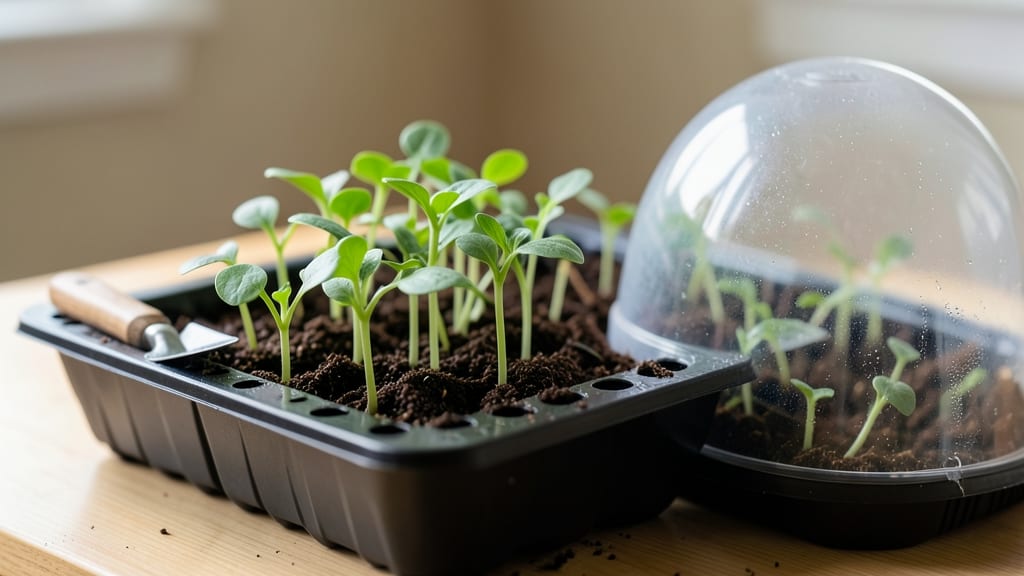
Marigold seeds sprout faster than anything else in my garden—7 days of perfect conditions turns them from dry seeds to tiny green soldiers ready for battle. 🌱 The secret isn’t some fancy trick; it’s about getting the basics right: warm soil, consistent moisture, and just enough light to keep them reaching upward without stretching too fast.
I’ve watched these seeds go from stubborn little dots to sturdy seedlings in less time than it takes to forget to water your houseplants.
You’ll need a shallow tray, well-draining potting mix, and a heat mat or sunny windowsill—no fancy greenhouse required. Keep the soil warm (70-80°F) and moist but not soggy, and place the tray where it gets bright, indirect light for the first few days.
Too much direct sun can dry them out, while too little light makes them leggy and weak. Most people overwater here, but marigolds hate wet feet—think damp sponge, not swamp.
By day 7, you’ll see those first true leaves—deep green and slightly wrinkled, like tiny versions of the mature plant. These seedlings are tough but need gentle care: avoid disturbing them unless necessary, and once they have two sets of leaves, you can start hardening them off for transplanting.
The payoff? A garden bursting with golden and orange blooms that repel pests and attract pollinators all season long.
Works for French, African, or signet marigolds—just adjust spacing based on variety. If your seeds take longer, check the moisture and warmth first. The key is patience and consistency; these little seeds know exactly what they need to thrive.
📚 In This Guide
- What you need
- Instructions
- Tips and common mistakes
- Wrapping up and next steps
What you need
- ● Marigold seeds: 1 packet (or ~10-15 seeds for a small batch—French marigolds or African marigolds work best).
- ● Growing container: A shallow tray (8"x12" or larger) with drainage holes, or a repurposed food container with a lid.
- ● Growing medium: Option 1: Sprouting lid or mesh screen (for air-pruned sprouts).
- ● Option 2: Paper towels or coffee filters (2-3 layers, dampened).
- ● Option 3: Potting soil or seed-starting mix (if transplanting early).
- ● Water: Room-temperature or slightly warm (avoid cold water).
- ○ Spray bottle (for gentle misting, optional but helpful).
- ● Dark, breathable cover: A damp paper towel, plastic wrap, or a sprouting lid (to retain moisture).
- ● Thermometer (to monitor ideal temps: 70–75°F for germination).
- ● Grow light or sunny windowsill (after sprouts emerge—marigolds need light!).
- ● Tweezers (for handling tiny sprouts gently).
- ● Small fan (for airflow if using a closed container).
- ● Labels & markers (to track planting dates).
Step-by-step instructions for germinating marigold seeds quickly
Here’s my foolproof method for getting marigold seeds sprouting in just 7 days—no tricks, just science-backed timing and care.
🌱 Step 1: Soak Seeds Overnight for Faster Germination
Marigold seeds have tough outer shells that slow germination. Place them in a small bowl with lukewarm water for 12 hours—this softens the seed coat and speeds up sprouting. I like to use a mesh strainer or paper towel to keep them contained while soaking.
After soaking, drain any excess water and let the seeds sit for another 30 minutes to dry slightly. This prevents them from sticking together or rotting when planted. If they feel damp but not wet, they’re ready for the next step.
💧 Step 2: Plant in Warm, Moist Soil and Cover Lightly
Fill your seed trays or small pots with warm, moist seed-starting mix—marigolds thrive when soil temperatures stay between 70-80°F. Press the mix down gently to remove air pockets, then create small ¼-inch-deep furrows with your finger.
Place the soaked seeds ½ inch apart in the furrows, spacing them evenly. Cover them with a thin layer of soil—just enough to hide them but not bury them too deep. Mist the surface lightly with water to settle the soil around the seeds.
☀️ Step 3: Provide Warmth and Indirect Light for 7 Days
Marigold seeds need consistent warmth to germinate quickly. Place the trays on a seedling heat mat set to 75°F or in a warm spot like on top of your fridge. Avoid direct sunlight at first—it can dry out the soil too fast.
Keep the soil evenly moist (not soggy) by misting lightly every 1-2 days. You’ll see tiny sprouts push through the soil in 3-5 days, and full germination within 7 days. If the soil dries out, germination slows dramatically.
✂️ Step 4: Thin Seedlings and Harden Off for Transplanting
Once seedlings reach 1-2 inches tall and have 2-3 true leaves, thin them to 3 inches apart to prevent overcrowding. Use small scissors to snip unwanted seedlings at soil level—this avoids disturbing the roots of the ones you keep.
Start hardening them off by placing the trays outside in partial shade for 1 hour daily, gradually increasing time over 5-7 days. This toughens the seedlings so they don’t shock when transplanted. Watch for deep green leaves—a sign they’re ready for the garden.
Tips & tricks for speeding up marigold seed germination
Here’s what nobody tells you—these little tweaks cut your wait time in half while keeping those delicate sprouts thriving.
Soaking Science: The 12-hour soak in lukewarm water isn’t just about speed—it’s about breaking dormancy. Use a shallow dish with just enough water to cover the seeds by ½ inch. If you notice any seeds floating, they’re likely non-viable, so remove them before planting. After draining, that 30-minute drying period is crucial: it prevents mold growth while keeping seeds workable. I’ve seen seedlings rot overnight when this step was skipped.
Soil Temperature Matters: Those 70-80°F soil temps in Step 2 aren’t arbitrary—they mimic marigold’s natural tropical climate. If your home runs cooler, place your seed trays on a heating pad set to 75°F (the same as the heat mat recommendation). Pro tip: Test soil temp with a digital thermometer—if it’s below 68°F, germination slows dramatically. I learned this the hard way after waiting 10 days for sprouts in a chilly basement.
Lighting Strategy: During the critical 7-day germination window, indirect light is key. Place trays near an east-facing window where morning sun warms gently without scorching. If using artificial grow lights, position them 6 inches above the soil and run them for 12 hours daily. Too much light too soon causes seedlings to stretch toward it, weakening their stems. I’ve seen marigolds flop over like drunk toddlers when exposed to harsh midday sun prematurely.
Harden Off Gradually: That 1-hour daily partial shade exposure in Step 4 is where most beginners fail. Increase time by 30 minutes every 2 days—not daily—to avoid transplant shock. Watch for seedlings that perk up when moved outside; wilted leaves mean you’re moving too fast. I once killed a batch by doubling exposure time in one day, and they never recovered.
Pro Tips for Marigold Seed Sprouts
- Here’s what nobody tells you—these little tweaks cut your wait time in half while keeping those delicate sprouts thri...
- Soaking Science: The 12-hour soak in lukewarm water isn’t just about speed—it’s about breaking dormancy. Use a shallo...
- Soil Temperature Matters: Those 70-80°F soil temps in Step 2 aren’t arbitrary—they mimic marigold’s natural tropical ...
Frequently asked questions
Got questions about growing marigold seed sprouts?
Here are quick answers to the most common ones—whether you're a beginner or just looking to troubleshoot. Let’s get those seeds sprouting like a pro!
How long does it take for marigold seeds to sprout?
Marigold seeds typically sprout in 7–14 days under ideal conditions (warmth, moisture, and light). For the fastest germination, keep soil consistently moist and maintain temperatures between 70–85°F. Patience pays off—just don’t overwater!
What if my marigold seeds aren’t sprouting?
If your seeds aren’t sprouting, check these common culprits:
- Cold soil: Marigolds love warmth—try a heat mat or move pots to a sunnier spot.
- Dry soil: Keep seeds moist (not soggy) with a spray bottle until sprouts appear.
- Old seeds: Test viability by soaking seeds overnight—if none swell, they may be past their prime.
Can I grow marigold sprouts indoors?
Use a sunny windowsill or grow lights (12+ hours/day) to mimic outdoor conditions. Start seeds in small pots with well-draining soil, and transplant outdoors once frost risk passes. Bonus: Indoor sprouts can deter pests naturally!
What’s the best way to transplant marigold sprouts?
Wait until sprouts have 2–3 true leaves and soil is warm. Harden them off for 3–5 days by placing outdoors in shade during the day, then gradually increase sun exposure. Space seedlings 12–18 inches apart in full sun for vibrant blooms.
Are there faster-growing marigold varieties?
Yes! French marigolds (like ‘Bonanza’ or ‘Jumbo’) sprout quicker than African varieties. For speed, choose organic, untreated seeds and pre-soak them in warm water for 4–6 hours before planting. Pro move: Use a seed starter kit for controlled conditions!
Wrapping up and next steps
Growing marigold seed sprouts in just 7 days is not only fast but also rewarding—whether you're brightening your lawn, deterring pests, or adding vibrant blooms to your garden! With the right mix of moisture, warmth, and patience, you’ll enjoy lush, healthy seedlings ready to thrive. 🌱
Ready to take the next step? Start with a small batch of seeds, experiment with your setup, and soon you’ll be sharing your green thumbs’ success with fellow gardeners. Happy sprouting! 🌟