
Lawn
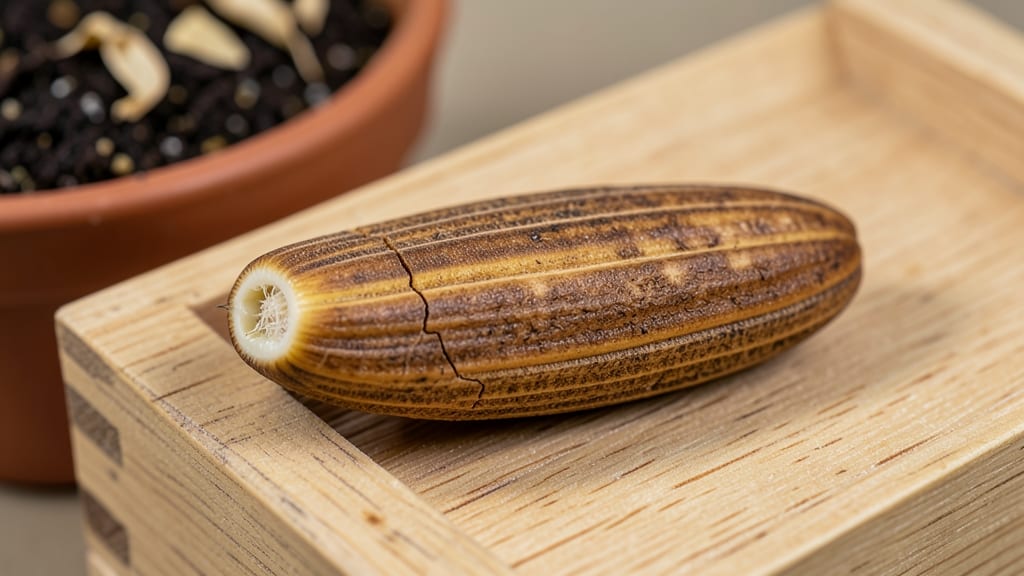
The sunflower seed inside holds the secret to giant summer blooms—if you plant it right. 🌻 Inside that tough outer shell lies the embryo, endosperm, and seed coat working together to break through soil and reach sunlight.
Understanding this tiny powerhouse explains why some seeds sprout in days while others wait weeks, especially when soil temperatures fluctuate.
Most sunflower varieties need soil between 60-85°F to germinate, with cooler zones (like 3-4) waiting until after last frost. The seed coat cracks open when moisture and warmth trigger the embryo, sending down a tiny root within 3-7 days—though some stubborn seeds take up to two weeks.
That’s why planting depth matters: too shallow, and they dry out; too deep, and they struggle to push through.
Once sprouted, seedlings need full sun (6+ hours daily) and consistent moisture—never soggy soil. Thin them to 12-24 inches apart as they grow, or you’ll end up with a forest of weak stems competing for sunlight.
The payoff? Towering plants that attract pollinators and produce blooms 8-12 weeks after planting, depending on your zone.
Pro tip: Soak seeds overnight before planting to jumpstart germination, especially in dry climates. And if your soil feels cool, use black plastic mulch to warm it up faster. The first true leaves appear in 10-14 days, signaling it’s time to get serious about spacing and support.
📚 In This Guide
- What you need
- Instructions
- Tips and common mistakes
- Wrapping up and next steps
What you need
- ● Sunflower seeds: 5–10 raw, untreated seeds (organic or non-GMO preferred for best results).
- ● Growing containers: 2–3 small pots (4–6 inches deep) or
- ● 1 shallow tray (with drainage holes) for bulk planting.
- ● Potting soil: 2–3 cups of well-draining, seed-starting mix (avoid garden soil—it’s too dense!).
- ● Watering can or spray bottle: For gentle hydration (no drowning seeds!).
- ○ Clear plastic wrap or humidity dome: Optional but helpful for creating a mini greenhouse effect.
- ● Thermometer: A soil thermometer (or even a digital indoor/outdoor one) to monitor temps in °F.
- ● Notebook or app: To log daily observations (e.g., blank">Groww or Seed to Supper).
- ● Ruler or measuring tape: For tracking sprout height (inches matter!).
- ○ Grow lights (optional): A 12–16 hour LED light (if planting indoors before last frost).
- ● Know your USDA Hardiness Zone: Check blank">here—it affects ideal planting times!
- ● Last frost date: Verify for your zone (e.g., Zone 5: ~May 15; Zone 10: year-round).
- ● Patience: Sunflowers are slow starters—expect 7–14 days for germination (depends on soil temp!).
How to germinate sunflower seeds indoors: temperature and zone guide
Sunflowers are fast growers, but their germination speed depends entirely on soil temperature and your growing zone.
🌱 Step 1: Prepare Seeds for Faster Germination
Sunflower seeds have a tough outer shell that slows sprouting. Soak them in lukewarm water for 12 hours before planting—this softens the seed coat and speeds up germination. Use a small bowl or jar and change the water halfway to prevent stagnation. You'll see the seeds swell slightly when ready.
After soaking, place the seeds between two paper towels in a sealed plastic bag. Store them in a warm spot (75-85°F) for 12-24 hours until you notice tiny white roots emerging. This pre-sprouting method gives you a 3-5 day head start compared to dry planting.
☀️ Step 2: Choose the Right Soil Temperature for Your Zone
Sunflowers germinate fastest in warm soil (75-85°F). If you're in USDA Zones 3-5, wait until the soil warms to at least 60°F—cold soil slows growth and can cause rot. Use a soil thermometer to check depth (1 inch down). In cooler zones, plant seeds indoors 4-6 weeks before last frost to ensure strong seedlings.
For Zones 6-10, you can direct-sow seeds as soon as the soil is workable, but wait until nighttime temperatures stay above 50°F. If your spring is unpredictable, start seeds indoors first. A seedling heat mat (70-80°F) can jumpstart germination in cooler climates.
💧 Step 3: Plant Seeds at the Correct Depth and Moisture
Sunflower seeds are large, so plant them 1-2 inches deep in loose, well-draining soil. Press the soil gently around the seed to remove air pockets—this ensures consistent moisture. Water the soil lightly (just enough to dampen it) but avoid soaking, which can wash seeds deeper or cause rot.
Keep the soil evenly moist but not soggy until germination. You'll know moisture is right when the surface looks slightly damp but not glistening. A clear plastic dome or plastic wrap over the tray helps retain warmth and humidity while preventing waterlogging. Remove the cover as soon as sprouts appear.
⏰ Step 4: Monitor Germination Timelines by Zone
Germination time varies by temperature and zone. In ideal warmth (75-85°F), seeds sprout in 5-10 days. In cooler Zones 3-5, expect 10-14 days—patience is key. Once the first true leaves (not the initial seed leaves) appear, remove any weak seedlings, leaving the strongest plant per pot.
If germination takes longer than 2 weeks, check soil moisture—dry soil can stall sprouting. In Zones 6-10, where soil warms quickly, seeds may emerge in 3-7 days. Watch for the radicle (tiny root) breaking through the soil first, followed by the shoot within 24-48 hours after that.
🌿 Step 5: Provide Light and Support for Young Seedlings
Sunflowers need bright light (14-16 hours daily) from day one to prevent leggy growth. Use a grow light if natural light is weak—position it 2-4 inches above seedlings and raise it as they grow. You'll see strong, compact growth with deep green leaves when light is sufficient.
Once seedlings reach 4-6 inches tall, transplant them outdoors after hardening off (5-7 days of gradual exposure). Bury the stem slightly deeper than before—this encourages root development. Use sturdy stakes or cages immediately to support their rapid vertical growth.
Tips & tricks for perfect sunflower germination
These pro strategies will help you optimize your sunflower germination—no matter your growing zone.
Soaking Secret: When soaking sunflower seeds for the required 12 hours, use lukewarm water that feels comfortable to your wrist—not hot. I've found that changing the water halfway through prevents bacterial growth and keeps the seeds fresh. After soaking, place them between damp paper towels in a sealed bag at 75-85°F—this mimics ideal soil conditions and speeds up root emergence by 24-48 hours. The tiny white roots should appear within this window, signaling readiness for planting.
Zone-Specific Warmth: For Zones 3-5, I recommend using a seedling heat mat set to 70-80°F during the 12-24 hour pre-sprouting phase. This creates the ideal 75-85°F environment even when outdoor soil is still cold. In Zones 6-10, you can skip the heat mat if your soil naturally reaches 75°F—just monitor closely to avoid overheating, which can dry out seeds before germination.
Moisture Mastery: After planting at 1-2 inches deep, maintain soil moisture by watering lightly every 2-3 days until germination. The key is keeping it "slightly damp" like a wrung-out sponge—not soggy. I've seen seeds fail to sprout when overwatered because the soil becomes compacted, preventing oxygen from reaching the seed. A clear plastic dome helps maintain humidity while preventing waterlogging during those critical 5-10 days of germination.
Light Timing: Sunflowers need 14-16 hours of bright light daily from day one to prevent leggy growth. Position grow lights 2-4 inches above seedlings and adjust as they grow. I've noticed that seedlings exposed to less light develop elongated stems with weak leaves—this is your plant's way of reaching for light. Once you see strong, compact growth with deep green leaves, you know you've got the light right.
Pro Tips for Sunflower Seed Inside
- These pro strategies will help you optimize your sunflower germination—no matter your growing zone.
- Soaking Secret: When soaking sunflower seeds for the required 12 hours, use lukewarm water that feels comfortable to ...
- Zone-Specific Warmth: For Zones 3-5, I recommend using a seedling heat mat set to 70-80°F during the 12-24 hour pre-s...
Frequently asked questions
Got questions about those tiny sunflower seeds hiding inside their shells? Whether you're planning a garden or just curious about germination, here are some answers to common queries:
How long does it take for a sunflower seed inside its shell to sprout?
Sunflower seeds inside their shells typically take 7–14 days to germinate, depending on soil temperature and moisture. Warmer soils (70–90°F) speed up the process, while cooler conditions may extend it to 3–4 weeks. Plant them ½ inch deep for best results.
Does soil temperature affect sunflower seed germination?
Absolutely!
Ideal germination temperatures for sunflowers are 70–90°F. Below 50°F, germination slows dramatically, while above 95°F can stress seeds. Use a soil thermometer to monitor—consistent warmth is key for fast, healthy sprouts.
Can I plant sunflower seeds in their shells, or should I remove them first?
You can plant sunflower seeds in their shells—they’ll still sprout! However, removing the shell (if hull-less seeds) may speed up germination slightly. If planting shelled seeds, ensure they’re fresh and not roasted, as cooking kills viability.
Why aren’t my sunflower seeds sprouting after 2 weeks?
If your seeds haven’t sprouted in 2+ weeks, check these common issues:
- Moisture: Soil should stay consistently damp (not soggy).
- Temperature: Use a heat mat if soil is too cold.
- Depth: Plant ½ inch deep—too deep delays sprouting.
- Seed viability: Test a few seeds in warm water; if they float, they’re likely bad.
Can I grow sunflowers indoors from shelled seeds?
Yes! Sunflowers thrive indoors with bright light (6+ hours/day) and warmth (70°F+). Use a sunny windowsill or grow light, and plant seeds 1 inch deep in a pot with well-draining soil. Expect slower growth than outdoors—transplant seedlings outside after 4–6 weeks if possible.
Wrapping up and next steps
Discovering the sunflower seed inside and watching it sprout is a rewarding journey—one that depends on your zone, soil temperature, and a little patience! 🌱 Whether you’re in a warm USDA Zone 5 or a balmy Zone 10, understanding these factors helps you time your planting for the fastest, healthiest growth.
Now that you’re armed with the right tools and tips, it’s time to roll up your sleeves and get growing!
Your next step? Pick a sunny spot, prep your soil, and plant those seeds—then enjoy the magic of life unfolding right before your eyes! 🌞