
Lawn
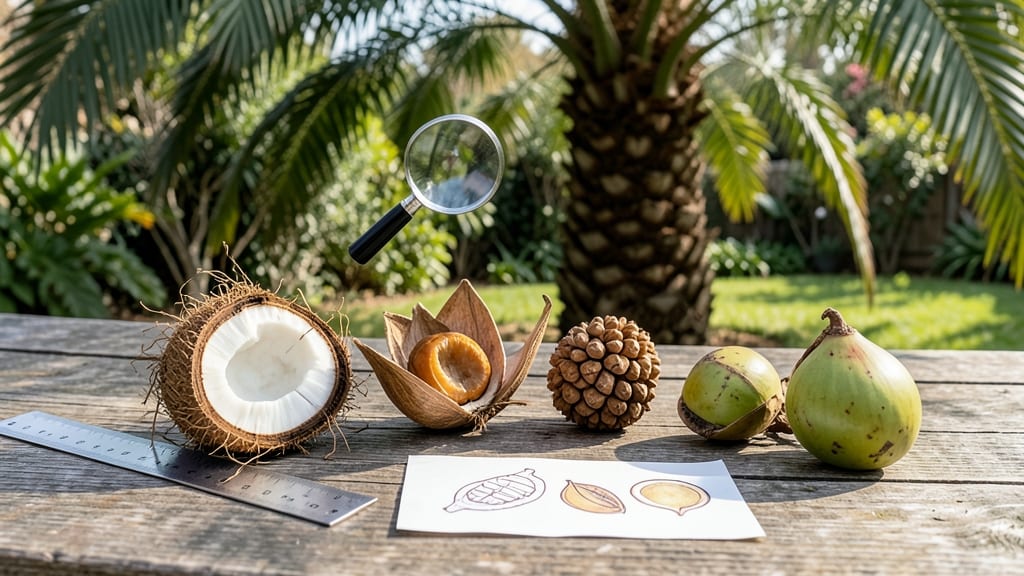
The identification of palm tree seed pods in your yard or at the park can feel like solving a botanical puzzle—each one tells a story about the tree it came from. 🌴 The key to identifying them lies in their shape, size, and texture, which reveal whether you're dealing with a coconut, date palm, or one of the many other species that dot warm climates.
Misidentifying them can lead to frustration, especially when trying to propagate new plants or plan your garden layout.
Start by examining the pod's overall form: is it round and fibrous like a coconut, or elongated and smooth like a date palm? Measure its diameter—most common pods range from 2 to 6 inches—and note any ridges, scales, or fibrous husks.
A mature coconut, for example, has a thick, brown husk that splits open to reveal the hard shell inside, while a date palm pod is usually smaller, with a papery texture and a single large seed.
Once you've narrowed down the shape, check the color and texture: immature pods are often green or yellow, while mature ones turn brown or black. The texture can also hint at the species—some pods feel rough and bumpy, while others are sleek and polished.
These details help you distinguish between species and avoid mixing up pods that might look similar at first glance.
Knowing how to identify these pods isn’t just about curiosity—it’s a practical skill for gardeners. Whether you're planning to grow new palm trees from seed or simply admiring the diversity in your area, accurate identification sets the stage for successful propagation and thoughtful garden design.
Grab a notebook, head outside, and start collecting clues!
📚 In This Guide
- What you need
- Instructions
- Tips and common mistakes
- Wrapping up and next steps
What you need
- ● Fresh or dried palm seed pods – Collect at least 3-5 samples from different palms for comparison (if available).
- ● Ruler or measuring tape – A 12-inch (30 cm) metal ruler works best for precise measurements.
- ● Notebook or digital device – For sketching shapes, jotting down sizes (length, width, thickness), and noting textures (e.g., fibrous, smooth, spiky).
- ○ Magnifying glass (optional but helpful) – A 10x magnification lens to inspect fine details like fiber patterns or tiny scars.
- ● Camera or smartphone – Capture close-ups of pods from multiple angles (front, side, top) in natural light.
- ● Scissors or pruning shears – For safely cutting open pods to examine internal structures (sterilize blades with rubbing alcohol first!).
- ○ Plastic gloves (optional) – If handling spiky or irritating pods (e.g., Cocos nucifera or Washingtonia species).
- ● Field guide or identification app – Apps like iNaturalist or PictureThis can cross-reference your findings.
- ● Basic botanical knowledge – Familiarity with terms like fibrous husk, endocarp, or seed scar helps (check our glossary if unsure!).
- ● Access to reference images – Bookmark our visual guide or trusted sources like PalmWeb.
- ● Patience and curiosity! – Some pods take time to dry or reveal details—observe changes over days if possible.
How to identify palm tree seed pods by shape and size
Here's how I spot the subtle differences that tell you exactly which palm species you're looking at.
🌿 Step 1: Examine the Overall Pod Shape
Start by holding the pod in your hand and noting its basic outline. Coconut pods are round with a fibrous husk and typically weigh 2-4 pounds when fresh. They feel heavy for their size because of the watery endosperm inside. In contrast, queen palm pods are oval and elongated, about 6-8 inches long, with a smooth, leathery surface that's easy to peel back.
Pay attention to the tip—coconuts have a three-pronged "eye" pattern where the husk meets the shell, while sabal palm pods (like the palmetto) have a rounded, almost button-like tip. I always check this first because it's the most reliable quick identifier. If the pod feels light and hollow when tapped, it's likely from a fan palm like the Mexican fan palm.
📏 Step 2: Measure Key Dimensions
Use a ruler to check the pod's length and width. Coconut pods are usually 10-12 inches in diameter at their widest point, while date palm pods (from species like the Canary Island date palm) are long and narrow—about 12-18 inches long but only 3-4 inches wide. I keep a small measuring tape in my gardening toolkit just for this purpose, as visual estimation can be misleading with dried pods.
Look at the thickness of the shell—thin, papery shells belong to fan palms, while thick, hard shells indicate coconut or queen palm species. If you can easily split the pod open with your hands, it's from a softer wood palm like the Chinese windmill palm. The weight difference is also telling: heavy pods (over 1 pound) are almost always coconuts or their close relatives.
🌱 Step 3: Inspect the Interior Structure
Carefully open the pod to examine what's inside. Coconuts contain a single large seed with a white, fibrous husk surrounding the hard shell. Queen palm pods reveal multiple small seeds embedded in a fleshy, orange pulp. This is a game-changer for identification—no two palm species have the same interior arrangement.
Look for any remaining fruit tissue or pulp remnants. Date palm pods often have dried, papery membranes clinging to the seeds, while sabal palm pods contain one large seed with a smooth, glossy surface. I always wear gloves for this step—the sap from some palm pods can irritate skin. If you find a pod with multiple small, round seeds arranged like the segments of an orange, it's almost certainly from a species in the Arecaceae family like the pygmy date palm.
🌿 Step 4: Check the Pod's Surface Texture
Run your fingers over the pod's exterior. Coconut husks feel rough and fibrous, while queen palm pods have a smooth, almost waxy surface that's easy to wipe clean. Fan palm pods (like those from the Washingtonia genus) have a leathery, slightly bumpy texture that's neither rough nor smooth.
Look for any visible scars or attachment points where the pod connected to the tree. These can reveal clues about the palm's growth habits. Coconut pods often show three distinct ridges where they split open, while date palm pods have longitudinal grooves running the length of the pod. I've found that dried pods often retain these features better than fresh ones, making them easier to study.
⏰ Step 5: Compare to Reference Images
Take clear photos of the pod from multiple angles—front, side, and top views—and compare them to online databases like the USDA Plants Database or Palm Society International resources. I always note the pod's color, size, and any unique markings before searching. For example, the black coloration on dried coconut husks is a dead giveaway, while the bright green or yellow hues in fresh queen palm pods are unmistakable.
Pay attention to the pod's position on the tree when you found it. Coconut pods grow directly from the trunk, while fan palm pods hang from long, arching fronds. This contextual clue can help narrow down species, especially when dealing with dried specimens where other features might be less distinct. If you're still unsure, I recommend consulting a local palm expert—they often have years of field experience that can instantly solve the puzzle.
Tips & tricks for identifying palm tree seed pods
These little details make all the difference when you're trying to pinpoint exactly which palm species you're dealing with.
Quick Visual Cues: In Step 1, when you're examining the overall pod shape, pay special attention to the three-pronged "eye" pattern on coconuts—this is the fastest way to rule out other species. I've seen many people overlook this feature and waste time on other measurements. Also, the weight difference between pods is telling: a pod weighing over 1 pound is almost always a coconut or related species, while lighter pods belong to fan palms.
Texture Matters: The surface texture in Step 4 is often the most underrated clue. Coconut husks feel rough and fibrous like sandpaper, while queen palm pods have a smooth, waxy surface that's almost slippery to the touch. Fan palm pods fall somewhere in between with their leathery, slightly bumpy texture. I always run my fingers over the pod first—it gives me an immediate sense of which family it belongs to.
Interior Secrets: When you open the pod in Step 3, the interior arrangement is the most definitive clue. The single large seed in coconuts is unmistakable, while the multiple small seeds embedded in orange pulp in queen palm pods is a game-changer. I recommend wearing gloves for this step—the sap from some palm pods can cause skin irritation, and you don't want that ruining your identification process.
Dried vs. Fresh: If you're working with dried pods, don't assume they'll look the same as fresh ones. Dried pods often retain their ridges and grooves more clearly (Step 4), making them easier to study. Fresh pods might have more vibrant colors, but dried specimens can reveal structural details that are harder to see when wet. I've found that dried coconut husks develop black coloration that's a dead giveaway for this species.
Pro Tips for Identification Palm Tree Seed Pods
- These little details make all the difference when you're trying to pinpoint exactly which palm species you're dealing with.
- Quick Visual Cues: In Step 1, when you're examining the overall pod shape, pay special attention to the three-pronged "eye" pattern on coconuts—this is the fastest way to rule out other species.
- Texture Matters: The surface texture in Step 4 is often the most underrated clue.
Frequently asked questions
Got questions about identifying palm tree seed pods? You’re not alone!
Here are some of the most common queries—plus quick answers to help you nail those visual clues and avoid mistakes.
How do I tell if a seed pod is from a palm tree vs. another tree?
Look for these key traits: fibrous husks, hard, woody shells, or coconut-like shapes. Palm pods often have a spiral or segmented design (like a queen palm) or a single, large nut (like a date palm). Compare with non-palm pods, which tend to be smooth, papery, or winged (e.g., maple or elm).
When is the best time to collect palm tree seed pods?
Timing matters! Harvest pods when they’re fully mature but still firm—usually late summer to early fall for most species. Overripe pods may split open or attract pests. If you’re unsure, check for dry, brown husks (a sign of readiness). Avoid collecting in wet weather to prevent mold.
Can I use seed pods from any palm tree for planting?
Not all palm pods are viable! Some, like coconuts, are easy to germinate, while others (e.g., sabal palms) require scarification or stratification. Research your species first—cross-pollinated palms (like date palms) may need multiple pods for successful growth. Start with easy-to-germinate varieties if you’re a beginner.
What should I do if my seed pod smells bad or has mold?
Discard it immediately! A rotten or musty smell means the pod is spoiled. Moldy pods can harbor fungal spores or pests—never plant them. Instead, focus on dry, clean pods with no soft spots. If storing pods, keep them in a cool, dry place with good airflow (like a mesh bag) to prevent spoilage.
Are there palm tree seed pods I should avoid collecting?
Yes! Some pods are toxic or invasive. For example, coconut palms (while edible) can spread aggressively in tropical climates. If you’re unsure, check local regulations—some areas restrict the removal of native palm pods. When in doubt, stick to non-invasive species like pygmy date palms or windmill palms.
Wrapping up and next steps
Mastering the art of identifying palm tree seed pods by shape and size opens up a world of botanical discovery—whether you're a gardener, nature enthusiast, or simply curious! 🌿 With the right tools and a keen eye, you can confidently distinguish between species like the Cocos nucifera (coconut) or Sabal palmetto (cabbage palm).
Now that you’re equipped with knowledge, why not put it to use? Start by exploring local palm trees in your area or even visiting a botanical garden. Share your findings with fellow plant lovers or consider growing a palm from seed—your green thumb (or curiosity!) will thank you!