
Propagation
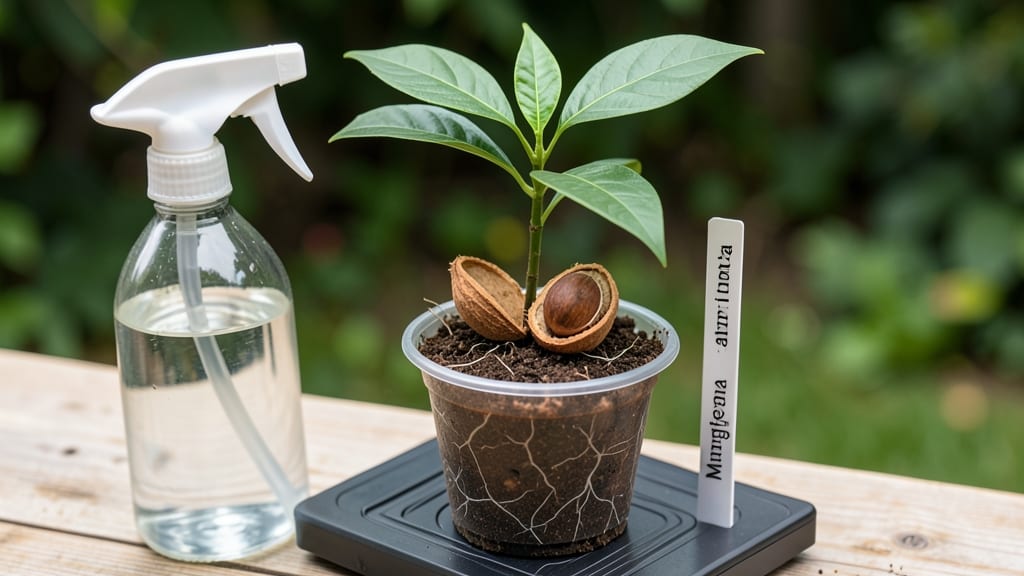
Growing a mango tree from seed indoors turns your kitchen window into a tropical escape—even if you live in a climate where mangoes never ripen outside. 🌱 The process is simple, but the real magic happens in the patience: that tiny seed could grow into a 6-foot-tall houseplant in just six months, with a trunk thick enough to wrap your hands around.
I’ve watched my own seedling go from a pea-sized sprout to a sturdy young tree, and the journey teaches more about plant resilience than any nursery-bought sapling ever could.
The key to success starts with the right seed—save one from a ripe, organic mango (the fresher, the better) and clean off the flesh before planting.
You’ll need a small pot with drainage, a mix of potting soil and perlite, and a warm spot with bright, indirect light (south-facing windows work best). Water gently but consistently, keeping the soil moist but never soggy.
Most seeds sprout within 2-4 weeks, though some take months—don’t give up if yours is slow to wake up.
By month six, you’ll have a lush, leafy sapling with a strong central stem, ready to graduate to a slightly larger pot. The real reward? Watching it grow taller than you every year, even indoors.
Just know this: fruit won’t appear for 5-10 years (if ever), but the journey is half the joy. My tree’s glossy leaves and tropical vibe make it the centerpiece of my home—proof that patience in gardening pays off in unexpected ways.
For best results, rotate the pot occasionally so the tree grows straight, and fertilize lightly every few months in spring and summer. If your windowsill isn’t sunny enough, supplement with a grow light for 12 hours a day.
And remember: indoor mango trees are more about the experience than the harvest. The thrill of nurturing a tree from a single seed? That’s the real sweet spot.
📚 In This Guide
- What you need
- Instructions
- Tips and common mistakes
- Wrapping up and next steps
What you need
- ● Fresh mango pit: Choose a ripe, organic mango (like Alphonso or Keitt varieties) and extract the seed carefully—avoid cracked or dried pits!
- ● Well-draining potting mix: A blend of 50% peat moss or coconut coir, 30% perlite or vermiculite, and 20% sand (or use a seed-starting mix with added perlite).
- ● Small pots or seed trays: 3–4 inch diameter with drainage holes (plastic or biodegradable options work).
- ● Spray bottle: For gentle watering (avoid over-saturating the seed).
- ○ Plastic wrap or humidity dome: To create a mini greenhouse effect (optional but helpful for germination).
- ● Grow lights or sunny windowsill: A south-facing window (6+ hours of sunlight daily) or a LED grow light (12–14 hours/day) for indoor growth.
- ● Fertilizer (after germination): A balanced liquid fertilizer (10-10-10) or fish emulsion (diluted to half-strength).
- ● Heating mat (70–80°F) to speed up germination (especially in cooler climates).
- ● Humidity tray (a shallow tray with pebbles and water to boost moisture).
- ● Pruning shears (for future trimming as the tree grows).
- ● pH test kit (ideal soil pH: 5.5–6.5 for mango seeds).
- ● Label markers (to track planting dates and varieties).
Step-by-Step instructions for growing a mango tree from seed indoors
Here's how I turn a simple mango pit into a thriving houseplant sapling—no green thumb required.
🌱 Step 1: Extract and Prepare the Seed
Start with a fresh, plump mango pit—avoid dried or cracked ones. Rinse it thoroughly to remove all fruit residue, then let it air-dry for 24 hours to prevent mold. I like to use a paper towel to gently pat it dry before moving forward.
Place the pit between two layers of damp paper towels, folding them so the seed stays snug. Store this in a sealed plastic bag and keep it in a warm spot—70-80°F works perfectly. Check daily for moisture; the towels should stay damp but not soggy. You'll see a tiny white root emerge in 2-4 weeks—that's your signal to move to soil.
🪴 Step 2: Plant the Germinated Seed
Fill a 4-inch diameter pot with well-draining potting mix—regular garden soil is too dense. I make small holes in the bottom first to ensure drainage, then add a thin layer of perlite or coarse sand at the base. Moisten the mix until it feels like a damp sponge.
Plant the germinated seed about 1 inch deep, root-side down. Press gently around the edges to secure it without compacting the soil. Place the pot in a bright, indirect light spot—no direct sun yet. Water lightly from the bottom by placing the pot in ½ inch of water for 10 minutes, then drain completely.
☀️ Step 3: Provide Optimal Light and Care
After 2-3 weeks, when you see the first true leaves (not the initial seed leaves), move the pot to a south-facing window where it gets 6+ hours of bright, indirect light daily. If your space lacks natural light, supplement with a grow light positioned 6 inches above the plant for 12-14 hours per day.
Water when the top 1 inch of soil feels dry—stick your finger in to check. Overwatering is the #1 killer of young mango seedlings, so I always err on the side of underwatering. Mist the leaves occasionally to maintain humidity, especially if your home has dry air.
✂️ Step 4: Prune and Support Growth
When your sapling reaches 12 inches tall, it's time to prune. Use clean scissors to trim the top set of leaves, encouraging bushier growth. I also remove any yellow or damaged leaves immediately—they drain energy from the plant. This is also the time to stake the plant if it starts leaning toward the light.
Fertilize lightly every 6 weeks with a balanced, water-soluble fertilizer diluted to half-strength. Too much fertilizer burns young roots, so I always follow the "less is more" rule. Rotate the pot a quarter turn weekly so the plant grows straight and doesn't lean toward one light source.
🌿 Step 5: Transition to Larger Pot
After 6 months, when roots start circling the bottom of the pot, it's time to upgrade. Choose a 6-inch diameter container with drainage holes and fresh potting mix. Gently remove the sapling, loosen the roots with your fingers, then place it in the new pot at the same depth. Water thoroughly after repotting.
This is also when you can start introducing it to outdoor conditions if you live in a warm climate. Place it outside in a shaded spot for 2-3 hours the first day, gradually increasing exposure over 1-2 weeks. Watch for leaf burn—if leaves turn yellow or crispy, it's getting too much sun too soon.
Tips & tricks for perfect indoor mango saplings
These simple strategies will help you avoid common pitfalls and give your mango seed the best chance to thrive.
Germination Check: In Step 1, when checking for moisture in those damp paper towels, look for a slight wrinkling when you gently squeeze them—this means they're just right. Too wet and you risk mold; too dry and the seed won't sprout. I like to use a spray bottle to mist the towels every other day if they dry out too quickly. That 2-4 week waiting period can feel long, but patience pays off when you see that first white root appear.
Light Transition Strategy: After those 2-3 weeks in Step 3, when moving your sapling to brighter light, do it gradually over 3-4 days. Start with just 1-2 hours of direct light and increase daily. Sudden bright light can shock young seedlings, causing leaf burn. I've seen this happen when people rush the transition—yellow or crispy edges are a sure sign you moved too fast.
Watering Wisdom: The bottom-watering method in Step 2 is brilliant, but here's the trick: after those 10 minutes of soaking, always drain any excess water from the saucer. Soggy roots are the enemy of healthy seedlings. I also recommend using room-temperature water—cold water can shock the roots and slow growth. Stick your finger in that 1 inch of soil to check moisture; it should feel like a damp sponge, not a wet towel.
Pruning Pro Tip: When pruning at the 12-inch mark in Step 4, focus on removing leaves that are growing toward the center of the plant. These shade out lower leaves and can lead to leggy growth. I like to use small, sharp scissors and make clean cuts just above a leaf node. This encourages bushier growth and prevents that sad, stretched-out look many indoor seedlings develop.
Pro Tips for Grow A Mango Tree From Seed Indoors
- These simple strategies will help you avoid common pitfalls and give your mango seed the best chance to thrive.
- Germination Check: In Step 1, when checking for moisture in those damp paper towels, look for a slight wrinkling when you gently squeeze them—this means they're just right.
- Light Transition Strategy: After those 2-3 weeks in Step 3, when moving your sapling to brighter light, do it gradually over 3-4 days.
Frequently asked questions
about growing a mango tree from seed indoors—because even the greenest thumbs have doubts!How long does it take for a mango seed to sprout indoors?
A mango seed typically sprouts within 14–30 days if kept consistently warm (75–85°F) and moist. Patience is key—some seeds take longer, especially if they’re dried out. Once sprouted, the seedling will grow slowly at first, so don’t rush it!
Will my indoor mango tree ever produce fruit?
Probably not in the first few years! Mango trees grown from seed are unpredictable—they may take 5–10 years to bear fruit, if at all. For faster results, consider grafting a fruiting variety onto your seedling later.
What’s the best temperature for germinating a mango seed?
Mango seeds thrive in warmth (75–85°F). Use a seedling heat mat or place the pot near a sunny window (south-facing is ideal). Avoid drafts or cold spots—consistent warmth speeds up germination. Pro tip: If your home is chilly, a clear plastic bag over the pot creates a mini greenhouse!
Can I grow a mango tree from seed in a small apartment?
Mango trees adapt well to containers (5+ gallon pots work great). Just ensure it gets 6+ hours of sunlight daily and you’re ready to prune aggressively to control size. Dwarf varieties (like ‘Cogshall’) are perfect for tight spaces.
Why is my mango seedling turning yellow or wilting?
Yellow leaves or wilting usually mean overwatering or underwatering. Let the top inch of soil dry out between waterings, and ensure the pot has drainage holes. Yellowing can also signal nutrient deficiency—try a balanced fertilizer (diluted) every 2 months once the seedling is established.
Can I plant my indoor mango tree outside later?
Yes! Once your seedling is 2–3 feet tall and the risk of frost has passed, you can transplant it outdoors in USDA zones 10–11. Harden it off gradually (acclimate to sunlight/wind) to avoid shock. Just know: Mangoes love tropical heat—indoor trees may struggle in colder climates long-term.
Wrapping up and next steps
Growing a mango tree from seed indoors is a rewarding journey that blends patience with the joy of nurturing life. With the right care—sunlight, warmth, and consistency—you’ll watch your tiny seedling transform into a thriving sapling in just six months! 🌱✨
Now that you’re armed with tips and troubleshooting advice, take the next step: grab that mango pit, follow the steps, and let your green thumb shine. Who knows? You might just grow the start of a future fruit-bearing tree—or a stunning houseplant to admire. Happy growing! 🌿