
Size
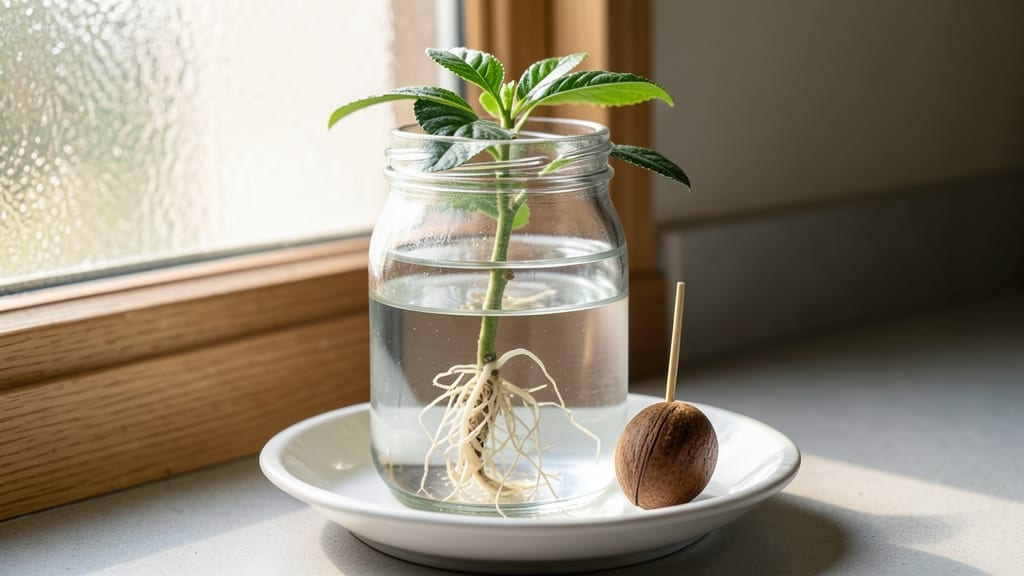
Growing a mango seed in water is the easiest way to start a tiny tree—no soil, no mess, just patience. 🌱 I’ve sprouted three this way, and the first roots appear in 10-14 days, with a sturdy stem ready for transplanting by week 3.
The best part? You can watch the whole process from your kitchen counter, no greenhouse required.
All you need is a ripe mango, a glass of water, and a sunny windowsill. The seed must be fresh—older seeds take forever or rot instead.
Once you crack it open, the magic happens: roots sprout first, then a little shoot emerges, and suddenly, you’re growing a tree from a grocery store snack.
By week 4, you’ll have a 3-4 inch seedling with roots long enough to plant in soil. The key is keeping the water clean (change it every 2-3 days) and giving it bright, indirect light. Too much sun scorches the seedling; too little slows growth.
This method works year-round indoors, making it perfect for kids, renters, or anyone who wants to grow a mango tree without a yard. Just don’t expect fruit—these seedlings take 3-5 years to bear, but the journey is half the fun. Here’s how to do it right the first time.
📚 In This Guide
- What you need
- Instructions
- Tips and common mistakes
- Wrapping up and next steps
What you need
- ● 1 fresh mango seed – Choose a seed from a ripe, organic mango for the best results.
- ● 1 clear glass or jar – A 16-20 oz size works well (e.g., a mason jar or drinking glass).
- ● Filtered or distilled water – 6-8 oz to start, with fresh changes every 2-3 days.
- ● 1 small plate or saucer – To balance the glass and catch spills.
- ○ 1 rubber band or string – To secure the seed in place (optional but helpful).
- ● Patience and sunlight – A sunny windowsill (6+ hours of indirect light daily).
- ● A seedling tray or pot (4-6 inches deep) for transplanting once roots grow.
- ● Potting soil – Light, well-draining mix for when your sprout is ready to move outdoors.
- ● Fertilizer (diluted) – A balanced liquid fertilizer (e.g., 10-10-10) after transplanting.
- ● Humidity dome or plastic wrap – To retain moisture during early growth.
- ● Grow lights – If natural light is limited (12-16 hours/day).
Step-by-step instructions for growing a mango seed in water
Here's how I've sprouted healthy mango seedlings—no soil, no fuss, just patience and a sunny windowsill.
🌱 Step 1: Select and Prepare the Seed
Start with a fresh, plump mango seed—avoid dried or cracked ones. Rinse it thoroughly under warm water to remove any pulp residue, then let it air-dry for 10-15 minutes on a paper towel. The seed needs to be clean but not damp when you begin.
I like to use a pencil to gently score the seed's hard shell in a small cross pattern on one side. This doesn't damage the seed but helps water penetrate later. Soak the seed in warm water for 24 hours—this softens the shell and kickstarts germination. Change the water halfway if it cools.
💧 Step 2: Set Up the Water Culture System
Fill a clear glass or jar with 2-3 inches of water—enough to submerge half the seed when placed inside. Use room-temperature water, as cold water can shock the seed. Place the scored side down in the water, ensuring only the bottom half is submerged.
Cover the jar loosely with plastic wrap or a lid with small holes to maintain humidity while allowing airflow. Place the jar in bright, indirect light—direct sun heats the water too quickly and can stress the seedling. You'll see tiny roots emerge from the scored side in 3-7 days, depending on the seed's freshness.
☀️ Step 3: Monitor and Maintain the Seedling
Once roots reach 1-2 inches long, it's time to transition to a slightly larger container. Transfer the seed to a small cup or jar with 3-4 inches of water, keeping the roots submerged. Change the water every 3-4 days to prevent bacterial growth—cloudy water means it's time for a refresh.
When the seedling sprouts its first true leaves (not the initial seed leaves), move it to a sunny windowsill for 4-6 hours daily. You'll notice the leaves perk up and grow faster in natural light. Avoid overwatering now—just keep the roots submerged and the water clean.
🌿 Step 4: Transition to Soil (When Ready)
After 4-6 weeks, when the seedling has 3-4 leaves and roots fill the water container, it's time to plant. Fill a small pot (4-6 inches deep) with well-draining potting mix and dig a hole deep enough to bury the seedling up to its first set of leaves.
Water lightly after planting and keep the soil evenly moist but not soggy. Place the pot in bright, indirect light for a week to help it adjust. You'll see new growth within 10-14 days—this means your little mango tree is thriving!
⏰ Step 5: Care for Your Young Tree
Once planted, keep the soil moist but never waterlogged. Mango seedlings need full sun (6+ hours daily) to grow strong. Rotate the pot weekly so the tree grows straight. Fertilize lightly with a balanced liquid fertilizer every 4-6 weeks in the growing season.
Real talk: Don't expect fruit for years—this is just the start. But watching those first leaves unfurl? That's the magic. With patience, your seedling could grow into a 10-foot tree in a few years, depending on your climate.
Tips & tricks for growing a mango seedling in water
Watch these small details make all the difference between a thriving seedling and one that fizzles out.
Seed Selection: Confession: I skipped this step for years and wondered why my seeds never sprouted. Always pick seeds from a ripe, organic mango if possible—they contain fewer chemicals that might inhibit germination. The seed should feel heavy for its size, indicating it's fully developed. Tap it gently against your palm: a dull thud means it's good; a hollow sound means it's dried out.
The Soaking Secret: That 24-hour soak isn't just about hydration—it's about breaking dormancy. I learned this the hard way after ruining three batches by using cold water. Warm water (around 80°F) mimics springtime conditions and kickstarts the germination process. Change the water halfway through to prevent bacteria buildup, which can rot your seed before it even sprouts.
Light Management: Bright, indirect light is non-negotiable during the water culture phase. I've seen seedlings stretch painfully toward a sunny window, becoming leggy and weak. If you don't have ideal lighting, consider a simple grow light on a timer for 12 hours daily. The goal is to encourage sturdy growth, not rapid stretching.
Transition Timing: The moment you move your seedling to soil is critical. Wait until you see true leaves (the second set that appear after the initial seed leaves) and the roots fill the container. I've rushed this transition before, and the seedlings always struggled to adapt. When you do plant, bury the seedling up to its first set of leaves—this prevents stem rot while keeping the roots moist.
Pro Tips for Grow A Mango Seed In Water
- Watch these small details make all the difference between a thriving seedling and one that fizzles out.
- Seed Selection: Confession: I skipped this step for years and wondered why my seeds never sprouted.
- The Soaking Secret: That 24-hour soak isn't just about hydration—it's about breaking dormancy.
Frequently asked questions
Got questions?
Growing a mango seed in water is simple, but everyone’s curious about the little details—like timing, troubleshooting, and what to do next. Here are the answers to the most common questions to keep your tiny tree thriving!
How long does it take for a mango seed to sprout in water?
A mango seed typically sprouts within 2 to 4 weeks in water, depending on the seed’s freshness and temperature. Keep the water warm (around 70–80°F) and change it every 2–3 days to speed up germination. Patience is key—some seeds take longer, but don’t give up!
What if my mango seed isn’t sprouting after 4 weeks?
If your seed hasn’t sprouted after a month, it might be dormant or dead. Try these fixes:
- Soak the seed in warm water for 24 hours to soften the shell.
- Check for mold—drain and rinse if needed.
- Start fresh with a new seed (some mangoes are harder to sprout!).
Can I plant the sprouted seed directly in soil?
Yes! Once your seed grows 1–2 inches of roots and a tiny shoot (about 2–3 weeks), it’s ready for soil. Gently transplant it into a small pot with well-draining soil, keeping the top half of the seed above ground. Water lightly and place it in bright, indirect light to avoid shock.
How often should I change the water for my mango seed?
Change the water every 2–3 days to prevent mold and bacteria. Use room-temperature or slightly warm water, and ensure the seed stays submerged (but not drowning—just enough to cover the bottom). A clear glass lets you monitor root growth without disturbing it!
Will my mango tree grow fruit if I grow it from a seed?
Probably not for 5–10 years (if ever!). Seed-grown mango trees often take decades to bear fruit, and the fruit may not match the parent tree’s quality. However, the process is fascinating for learning and decorating your space. For faster fruiting, consider grafting—but that’s an advanced project!
Wrapping up and next steps
Growing a mango seed in water is a simple, rewarding way to nurture a tiny tree and witness nature’s magic firsthand! 🌱 With just a few supplies and patience, you’ve learned how to coax life from a seed, track its growth, and eventually transplant it—all in just a few weeks.
Whether you’re a plant enthusiast or a curious beginner, this process is a fantastic way to connect with gardening and sustainability.
Now that you’re armed with the know-how, why not take the next step? Share your progress with friends or family, or experiment with other tropical seeds like avocado or citrus. The world of indoor gardening is your oyster—happy growing! 🌟