Lawn
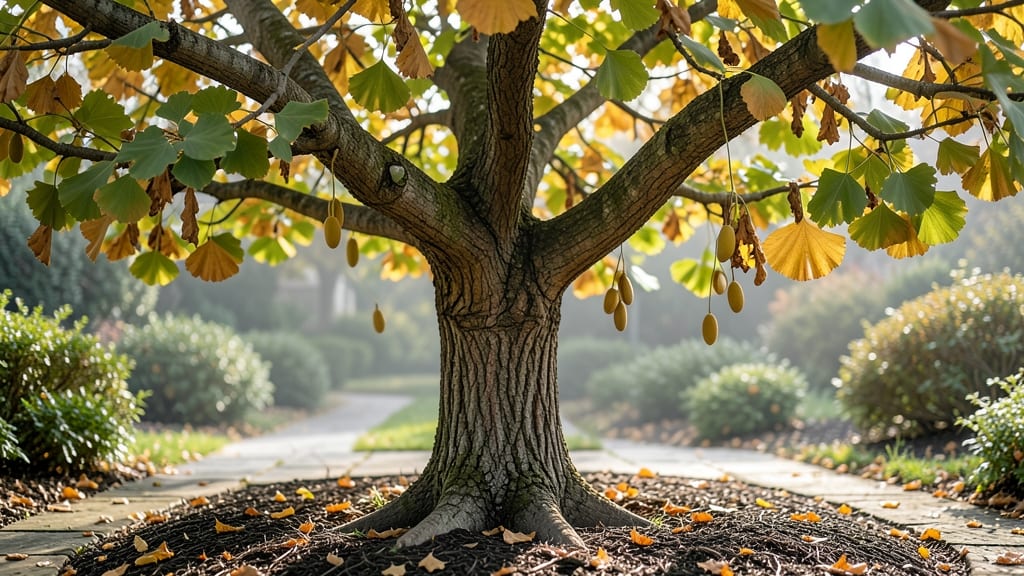
Ginkgo tree seed pods are nature’s stubborn little treasure chests—🌱 but once you crack the twist-resistant extraction trick, you’ll grow a tree that thrives for centuries.
I’ve wrestled with these smelly, fleshy pods for years, and the key to strong root starts lies in knowing exactly when and how to handle them before planting.
The pods need stratification—a cold, damp winter nap—to break dormancy, but the real challenge is separating the nut from the messy outer layer. Most people give up here, but with the right technique (and a little elbow grease), you’ll see those first green shoots in 6-12 months.
The payoff? A tree that outlives you, with golden fans that turn neighborhoods into autumn gold. You’ll need patience—ginkgos grow slow at first—but the resilience of these ancient seeds makes every step worth it. No pesticides, no fuss: just soil, sunlight, and time. The hardest part?
Waiting for that first real leaf to unfurl after years of stubborn little sprouts.
Start by harvesting fully ripe pods in late fall (they should smell strongly and feel soft). Soak them in water for a few days to loosen the outer flesh, then crack open the nut with pliers—never use your hands, or you’ll regret the stench.
Plant the cleaned nut 2 inches deep in well-draining soil, and let nature handle the rest. The real magic happens underground.
Common mistakes? Overwatering (ginkgo roots hate soggy feet) or rushing germination (those seeds need their cold treatment). But once you’ve got a sapling, it’s nearly indestructible—drought, pollution, even urban smog can’t touch it.
That’s the beauty of growing from seed: you’re not just planting a tree, you’re nurturing a living piece of history.
📚 In This Guide
- What you need
- Instructions
- Tips and common mistakes
- Wrapping up and next steps
What you need
- ● Fresh or dried ginkgo seed pods – At least 10-20 pods (more if you’re planting multiple trees). Ensure they’re fully mature but not rotting.
- ● Sharp pruning shears or garden scissors – For cleanly slicing open the pods without damaging the seeds.
- ● Thick rubber gloves – Protects hands from the stinky sap (trust us, it’s worth it!).
- ● Plastic or metal bowl – A wide, shallow container (10+ inches in diameter) to collect seeds and pulp.
- ● Water – For rinsing seeds and removing residue.
- ● Paper towels or clean cloth – To pat seeds dry after extraction.
- ● Small plastic bags or seed envelopes – For storing seeds in a cool, dry place until planting.
- ○ Optional: Seed-starting mix – If you’re germinating seeds immediately (sterilized potting soil works best).
- ● Plastic spoon or spatula – For scooping out seeds without tearing them.
- ● Fine-mesh strainer – If you want to rinse seeds thoroughly without losing them.
- ● Small spray bottle – For misting seeds if you’re prepping them for long-term storage.
- ● Notebook & pen – To label seed bags with the date and pod source (helpful for tracking!).
- ● Plastic wrap or zip-top bags – For creating a mini greenhouse effect during germination (if starting indoors).
Step-by-Step instructions for extracting ginkgo tree seeds from pods
Here’s how to safely release seeds without damaging them—and set up strong starts.
🌱 Step 1: Harvest and Soften the Seed Pods
Collect mature ginkgo seed pods when they turn yellowish-brown and open slightly on their own. The seeds inside should feel firm but not mushy. Place the pods in a paper bag and store them in a warm, dry place for 3-5 days. This mimics natural drying and makes the outer flesh easier to remove.
If you’re impatient, speed up the process by placing pods in a sunny windowsill for 1-2 days. Watch for the outer layer to darken and split naturally—this signals the seeds are ready for extraction. Avoid microwaving or forcing them open too soon, or you’ll risk damaging the seed coat.
💧 Step 2: Separate Seeds from Flesh
Wear gloves—ginkgo flesh stains and has a strong odor. Gently twist the pod open along its natural seams. The seeds will pop free, still encased in a thick, fleshy outer layer. Place the seeds in a bowl of lukewarm water for 24 hours to loosen the flesh. The water will turn yellowish-brown as the pulp dissolves.
After soaking, rub the seeds gently between your fingers under running water to remove any remaining flesh. You’ll see the hard, tan-colored seed emerge—this is what you’ll plant. Discard the water and pulp immediately; it can attract pests if left sitting.
☀️ Step 3: Dry and Stratify for Germination
Spread the cleaned seeds on a paper towel in a single layer and let them dry in a shady, well-ventilated spot for 2-3 days. They’re ready when the outer shell feels lightweight and papery. Store them in a paper bag in the fridge for 60-90 days to complete stratification—this cold period mimics winter and breaks dormancy.
Check seeds monthly during stratification. If mold appears, toss them—they won’t germinate. After cold treatment, soak the seeds in warm water for 12 hours before planting to rehydrate the seed coat. This step ensures even moisture uptake when you plant.
🪴 Step 4: Plant for Strong Root Development
Fill 4-inch pots with well-draining potting mix (avoid garden soil—it compacts too easily). Plant seeds 1 inch deep, spacing them 2 inches apart. Water gently until the soil is moist but not soggy. Place pots in a warm, bright spot (avoid direct sun—it overheats the soil).
Germination takes 3-6 months, so patience is key. Keep the soil evenly moist—never let it dry out completely. Once sprouts emerge, move pots to indirect light and reduce watering slightly. Young ginkgo roots are sensitive to overwatering, so wait until the top inch of soil feels dry before watering again.
Tips & tricks for perfect ginkgo tree seed pod extraction
Working with ginkgo seed pods takes patience, but these little tricks will save you time and frustration while ensuring strong, healthy starts.
Harvesting Tip: The 3-5 day drying period in Step 1 is your secret weapon—it’s not just about softening the pods, but also letting the seeds inside adjust to their next phase. If you’re short on time, the sunny windowsill shortcut works beautifully, but keep a close eye on them. The moment the outer layer starts to darken and split naturally, that’s your cue to stop. Forcing them open too soon can crack the seed coat, which is essential for successful germination.
Seed Cleaning Strategy: When soaking the seeds in lukewarm water for 24 hours in Step 2, use a mesh strainer or fine sieve to make the cleanup process effortless. The water will turn a murky yellow-brown, so place a towel underneath to catch the drips. After soaking, I find that gently rolling the seeds between my fingers under running water removes the last bits of flesh without damaging the seed itself. It’s like giving them a gentle massage!
Stratification Success: The 60-90 day cold treatment in Step 3 is where the magic happens, but it’s easy to overlook the importance of checking for mold. I recommend placing your seeds in a sealed container with a small ventilation hole—this keeps humidity low while still allowing airflow. If you notice any fuzzy growth, discard those seeds immediately. The good news is that healthy seeds will remain firm and unchanged throughout the process, ready to burst with life when spring arrives.
Pro Tips for Ginkgo Tree Seed Pods
- Working with ginkgo seed pods takes patience, but these little tricks will save you time and frustration while ensuring strong, healthy starts.
- Harvesting Tip: The 3-5 day drying period in Step 1 is your secret weapon—it’s not just about softening the pods, but also letting the seeds inside adjust to their next phase.
- Seed Cleaning Strategy: When soaking the seeds in lukewarm water for 24 hours in Step 2, use a mesh strainer or fine sieve to make the cleanup process effortless.
Frequently asked questions
Got questions about ginkgo tree seed pods?
Here are answers to the most common ones—from harvesting to troubleshooting—so you can tackle extraction like a pro!
When is the best time to harvest ginkgo seed pods?
The ideal time to harvest ginkgo seed pods is late fall (October–November) when they turn a golden-yellow color and begin to split open naturally. Wait until they’re soft and slightly wrinkled—this ensures the seeds inside are fully mature and viable. Avoid harvesting too early, or the seeds may not germinate properly.
Why are my ginkgo seed pods so hard to twist off the tree?
Ginkgo seed pods are notoriously stubborn because they’re attached by a tough, fibrous stem. If twisting isn’t working, try gently prying them off with your fingers or a small pruning hook. For stubborn pods, a light tap with a wooden stick can loosen them—just avoid damaging the tree’s bark! Patience is key.
Can I use ginkgo seed pods for anything other than planting?
Beyond propagation, ginkgo seed pods are often used in herbal teas (for their antioxidant properties), as natural dyes (yielding earthy yellows), or even in ornamental arrangements. Just remove the seeds first—the fleshy outer layer is the star here! Always ensure pods are fully ripe before culinary or decorative use.
What do I do if my extracted seeds won’t germinate?
If your seeds aren’t sprouting after 4–6 weeks, try stratifying them first: place them in a damp paper towel, seal in a plastic bag, and refrigerate for 60–90 days to mimic winter conditions. Poor germination can also stem from underripe seeds or fungus—soak seeds in a 10% hydrogen peroxide solution for 10 minutes to disinfect before planting.
How many seed pods does one ginkgo tree typically produce?
A mature ginkgo tree (20+ years old) can produce hundreds to thousands of seed pods annually, depending on its health and location. Male trees (which don’t produce pods) are often preferred for landscaping to avoid messy cleanup—but if you’re growing for seeds, a female tree is your goldmine! Just be ready for the cleanup crew.
Wrapping up and next steps
From their unique twist-resistant pods to their potential for thriving root systems, ginkgo tree seed pods offer a fascinating and rewarding gardening adventure! 🌱 Whether you're a seasoned gardener or just starting out, mastering the extraction process will give you the confidence to grow these ancient trees with ease.
Now that you’re equipped with the right tools and knowledge, why not try it yourself this season? Grab your gloves, gather your supplies, and give those ginkgo seeds the love they deserve—your future tree will thank you!