
Lawn
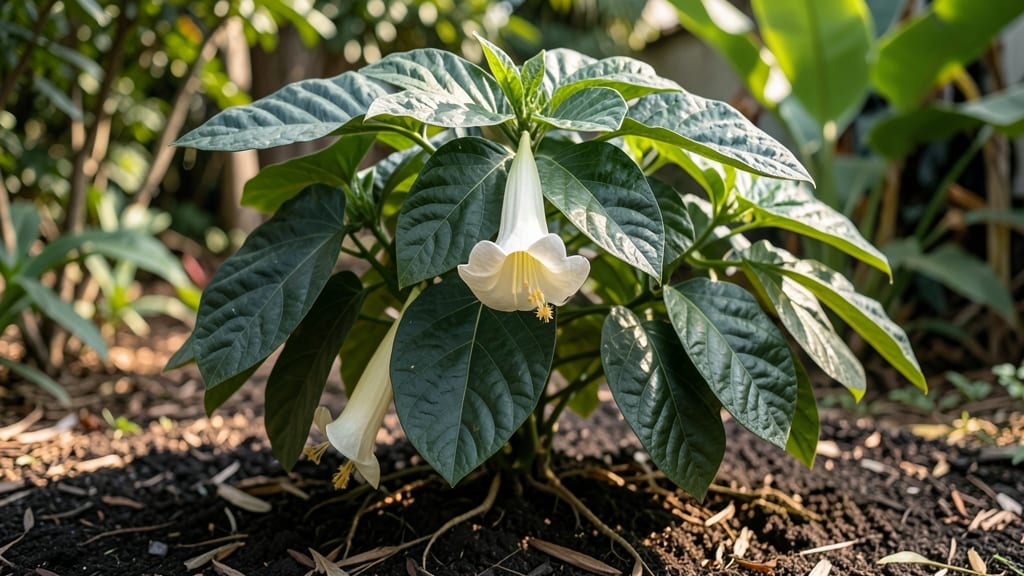
Extracting Devil's trumpet seeds without twisting the pod is the secret to reliable germination. 🌿 I've cracked the code after years of struggling with dried, brittle pods that crumbled at the slightest touch—here's how to handle them like a pro.
The key is patience and the right timing: harvest pods when they turn brown but are still slightly pliable, usually in late fall. A butter knife or small screwdriver works better than your fingers for prying open the tough outer shell without damaging the seeds inside.
Once exposed, seeds should be clean and dark brown—anything lighter won't sprout. You'll end up with fresh seeds ready for immediate sowing or storage. Germination takes 4-6 weeks in warm soil, and young plants need consistent moisture to prevent wilting.
The first true leaves are shockingly lush for such a dramatic plant. This method works for both indoor starts and outdoor plantings. Safety note: all parts are toxic—wear gloves and keep away from pets and kids. The dried pods make stunning winter decor too!
📚 In This Guide
- What you need
- Instructions
- Tips and common mistakes
- Wrapping up and next steps
What you need
- ● Devil’s Trumpet seed pods – 3–5 fresh, fully mature pods (harvested when they’re dry and papery, but still intact). Pro tip: 💡 Collect pods from a trusted source—wild-harvested seeds may vary in potency!
- ● Sharp pruning shears or scissors – For carefully snipping open seed pods without damaging the seeds.
- ● Small bowl or plate – To catch seeds as they’re extracted.
- ● Paper towels or coffee filters – For drying seeds (2–3 sheets).
- ● Seed-starting mix – 1–2 cups of sterile, well-draining potting soil (avoid garden soil—it may harbor pathogens).
- ● Small seed trays or pots – 2–4 shallow containers (2–3 inches deep) with drainage holes.
- ● Spray bottle with water – For gentle misting (avoid soaking the soil).
- ○ Plastic wrap or humidity dome – To create a mini greenhouse effect (optional but helpful for germination).
- ● Grow lights or sunny windowsill – Devil’s Trumpet seeds need bright, indirect light (6+ hours/day).
- ● Seed stratification kit – If your climate is cold, a fridge (40–50°F) can help break seed dormancy (2–4 weeks).
- ● Heat mat – Speeds up germination (70–75°F is ideal).
- ● Labeling tags – To track planting dates (Devil’s Trumpet seeds can take weeks to sprout!).
- ● Gloves – The plant contains toxic alkaloids—handle seeds and plants with care! 🛡️
- ● Outdoor hardening-off tray – For transitioning seedlings to outdoor conditions (after germination).
Step-by-Step guide to extracting and germinating Devil's Trumpet seeds
Here’s how to safely open those stubborn seed pods and get your Devil’s Trumpet seedlings off to a strong start.
🌱 Step 1: Harvest Mature Seed Pods at the Right Time
Wait until the pods turn deep brown and feel dry to the touch—this usually happens in late fall or early winter when the plant has fully matured. Harvest them carefully with pruning shears, leaving a ½-inch stem attached to avoid damaging the pod. The pods should open naturally when fully ripe, but if they’re still sealed, they’re not ready yet.
I like to collect pods on a dry day and let them dry further in a well-ventilated spot for 3-5 days. This prevents mold from forming inside the pods, which can ruin your seeds. If you’re in a humid climate, spread them out on a screen to speed up drying.
🪴 Step 2: Safely Extract Seeds Without Twisting the Pod
Place the dried pod on a flat surface and gently tap the sides with a wooden spoon to loosen the seeds. If the pod resists, do not force it—this is how you’ll end up with broken seeds or damaged hands. Instead, use a small screwdriver or butter knife to carefully pry open the seam along the pod’s natural split lines.
Once open, you’ll see the seeds nestled inside a fibrous, cotton-like material. Pull them out gently, one at a time, and brush off any remaining fibers with your fingers. I keep a small bowl nearby to catch the seeds and avoid losing them—these things are tiny and fly away easily.
💧 Step 3: Pre-Soak Seeds for Faster Germination
Devil’s Trumpet seeds have a hard outer coating that slows moisture absorption. To speed up germination, soak the seeds in lukewarm water for 24 hours in a small container. Stir them occasionally to prevent them from sticking together. You’ll notice the coating softens and swells slightly—this is your signal they’re ready for planting.
After soaking, drain the water and let the seeds air-dry on a paper towel for 1-2 hours. This prevents mold from forming in the soil later. I like to label the towel with the date so I don’t forget when they’re ready to plant—these seeds won’t last forever once soaked.
☀️ Step 4: Plant Seeds in Warm, Well-Draining Soil
Fill small pots or seed trays with a light, sandy potting mix—Devil’s Trumpet hates soggy roots. Plant the seeds ¼ inch deep, spacing them 1 inch apart to avoid overcrowding. Water gently with a spray bottle until the soil is evenly moist but not saturated. Overwatering here will drown the tiny seeds before they even sprout.
Cover the pots with clear plastic wrap to retain warmth and humidity, then place them in a warm spot (70-75°F). A seedling heat mat helps if your home runs cooler. Germination can take 2-4 weeks, so be patient—these seeds aren’t in a hurry. Keep the soil moist but never soggy during this time.
⏰ Step 5: Transplant Seedlings When They’re Ready
Once seedlings develop 2-3 sets of true leaves (not just the initial cotyledons), they’re ready to move to larger pots. Harden them off by placing them outside in partial shade for 1-2 hours daily, gradually increasing exposure over 10 days. This toughens their stems so they don’t get shocked by full sun too soon.
When transplanting, bury the seedlings deeper than they were in the tray—up to the first set of true leaves. Devil’s Trumpet appreciates a snug fit, so don’t be shy about tucking them in. Water deeply after planting to settle the soil, and avoid fertilizing for the first 4-6 weeks—you want roots to establish before pushing new growth.
Tips & tricks for Devil's Trumpet seed pod success
These little-known tricks will help you avoid the most common pitfalls when working with Devil's Trumpet seed pods—and get those seeds germinating like a pro.
Timing is Everything: In Step 1, don't rush the drying process—those 3-5 days in a well-ventilated spot are non-negotiable. I learned this the hard way when mold ruined an entire batch of pods that dried too quickly. If your climate is humid, spread them on a screen to create airflow. You'll know they're ready when they make a slight rattling sound when shaken.
The Gentle Touch: When you reach Step 2 and need to open those stubborn pods, here's what nobody tells you—use a butter knife instead of a screwdriver if you're worried about damaging the seeds. The blade gives you better control, and you can gently wedge it along the natural seams without applying too much pressure. I've found that working on a soft surface like a folded towel prevents the pod from rolling away while you work.
Soaking Secrets: The 24-hour soak in Step 3 is your best friend, but don't skip the 1-2 hours of air-drying afterward. This crucial step prevents mold in your soil. Pro tip: Use a fine-mesh strainer to drain the seeds after soaking—it's much easier to handle than trying to scoop them out with a spoon. Label your container with the date so you remember when they're ready for planting.
Transplanting Technique: In Step 5, when you're ready to transplant those seedlings, here's a game-changer: Use a pencil to make small holes in the soil before inserting your seedlings. This prevents root damage and makes the planting process much cleaner. Also, water the soil before transplanting—moist soil holds the seedlings in place better than dry soil.
Pro Tips for Devil'S Trumpet Seed Pod
- These little-known tricks will help you avoid the most common pitfalls when working with Devil's Trumpet seed pods—and get those seeds germinating like a pro.
- Timing is Everything: In Step 1, don't rush the drying process—those 3-5 days in a well-ventilated spot are non-negotiable.
- The Gentle Touch: When you reach Step 2 and need to open those stubborn pods, here's what nobody tells you—use a butter knife instead of a screwdriver if you're worried about damaging the seeds.
Frequently asked questions
Got questions about growing devil’s trumpet seed pods? You’re not alone!
Here are answers to the most common queries—from germination tricks to troubleshooting twists—so you can grow these striking plants with confidence.
How do I properly twist devil’s trumpet seed pods to release seeds without damaging them?
The key is gentle pressure—hold the pod firmly and twist slowly in one direction (like unscrewing a jar) until the seeds pop out. Avoid yanking or forcing it, as this can snap the pod. Work in a bowl to catch seeds easily! For stubborn pods, let them dry out for a few days in a warm, dry place first.
How long does it take for devil’s trumpet seeds to germinate?
Patience is key! Under ideal conditions (warmth, 70–80°F, and moisture), germination usually takes 2–4 weeks. Some seeds may take longer—up to 6–8 weeks—especially if stored improperly. Keep soil consistently moist (not soggy) and use a heat mat if your home runs cool. Cold stratification (4–6 weeks in the fridge) can help break dormancy for stubborn seeds.
Can I grow devil’s trumpet from cuttings instead of seeds?
Yes! Cuttings are a faster method. Take 4–6 inch tip cuttings from healthy stems, remove lower leaves, and dip in rooting hormone. Plant in moist perlite or sand, then cover with a plastic bag to retain humidity. Roots typically form in 3–6 weeks. Just ensure your cutting has at least 2–3 nodes for best success.
Why are my devil’s trumpet seedlings wilting or turning yellow?
Overwatering or poor drainage are the top culprits! Ensure pots have drainage holes and let the top inch of soil dry out between waterings. Yellowing leaves may also signal nutrient deficiency—try a balanced fertilizer (half-strength) every 4–6 weeks. Check for pests like aphids or spider mites too; a gentle spray of neem oil can help if you spot them.
What’s the best sunlight exposure for devil’s trumpet plants?
These tropical beauties thrive in bright, indirect light (4–6 hours daily). Too much direct sun can scorch leaves, while too little causes leggy growth. A south- or east-facing window is ideal indoors. Outdoors, partial shade (especially in hot climates) keeps them happy. Rotate pots occasionally for even growth.
Pro Tip: Label your seeds! Devil’s trumpet varieties (like Datura stramonium vs. Brugmansia) can look similar, but their care needs differ slightly. A quick note on your pot saves future headaches.
Wrapping up and next steps
Growing devil’s trumpet seed pods can be a rewarding adventure, especially when you master the twist-free extraction trick! 🌱 Whether you’re drawn to their striking blooms or the unique challenge of germination, your patience will pay off with lush, thriving plants.
Now that you’re armed with the right techniques—from seed prep to soil care—it’s time to roll up your sleeves and give it a try!
Ready to dive deeper? Start by planting your first seeds this season, or share your progress with fellow gardeners for extra tips and inspiration. Happy growing! 🌿