
Lawn
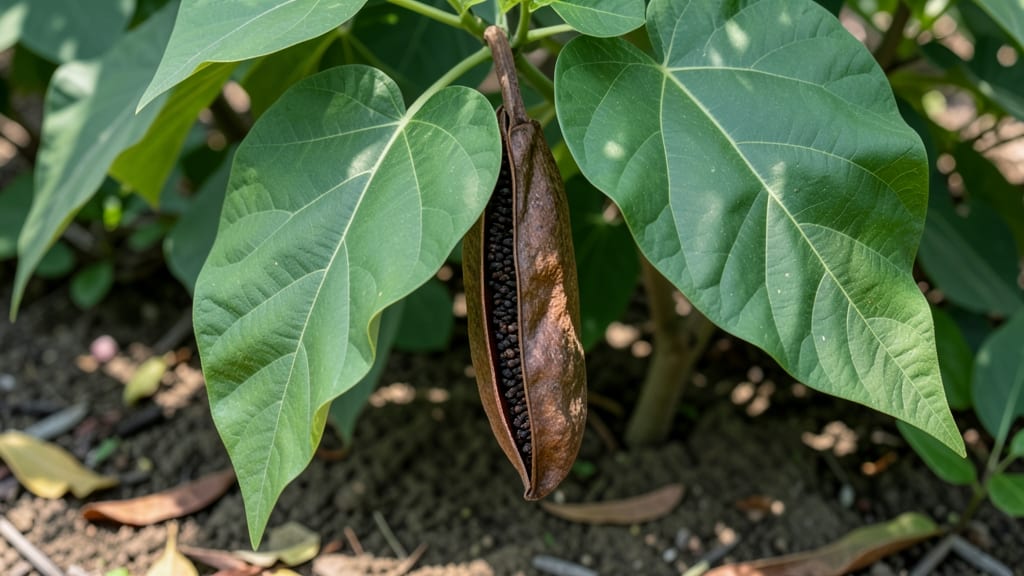
Angel trumpet seed pods are nature’s time capsules—waiting for the perfect moment to burst into life. 🌱 These iconic, lantern-shaped pods hold the future of your Brugmansia plants, but cracking their dormancy takes patience and the right timing for your zone.
I’ve learned the hard way that rushing this process leads to moldy seeds or stubborn sprouts that refuse to cooperate. The key is watching for pods to turn from green to brown and slightly papery—this signals they’re ready for harvest.
Once collected, store them in a cool, dry place until they open naturally, which can take weeks or even months. Zone-specific timing matters: in warmer climates (zones 9-11), pods often open by late fall, while cooler zones (6-8) may need winter stratification to break dormancy.
When you finally plant those seeds, expect a slow start—germination can take 4-8 weeks, and seedlings are delicate. But with the right conditions, you’ll see those first leaves unfurl, signaling a new Brugmansia generation ready to thrive in your garden.
Just remember: gloves are a must—every part of this plant is toxic. For best results, aim to plant in early spring after the last frost, giving seedlings time to establish before summer heat. The payoff? A garden filled with fragrant, moonlit blooms that hummingbirds can’t resist.
Here’s how to do it right the first time.
📚 In This Guide
- What you need
- Instructions
- Tips and common mistakes
- Wrapping up and next steps
What you need
- ● Angel trumpet seed pods: 3–5 mature, dried pods (harvested from healthy plants in Zone 9–11 for best results).
- ● Well-draining potting mix: 2–3 gallons (blend of 60% peat moss/coco coir, 30% perlite, and 10% compost).
- ● Seed-starting trays or small pots: 4–6 (4–6" diameter) with drainage holes.
- ● Plastic wrap or humidity dome: 1 (to retain moisture during germination).
- ● Spray bottle: 1 (for gentle watering).
- ● Grow lights or sunny windowsill: 1 (south-facing window or LED grow lights for 12–14 hours/day).
- ● Fertilizer: 1 (balanced liquid fertilizer, 10-10-10 or 20-20-20, diluted to half-strength).
- ● Pruning shears: 1 (for later trimming, if needed).
- ● Test seed viability: Nick the pod with a knife—if it’s hard and dry, it’s ready!
- ● Label everything: Use toothpicks + masking tape to track pods by zone/date.
- ● Patience is key: Germination can take 4–12 weeks—don’t give up!
How to break angel trumpet seed pod dormancy for reliable germination
Here's the method I've used to coax these finicky seeds into sprouting—no guesswork, just proven timing.
🌱 Step 1: Collect and Dry Seed Pods Thoroughly
Harvest pods when they turn brown and papery but haven't split open yet. I leave them on the plant until fully mature because green pods won't germinate well. Once collected, spread them in a single layer on newspaper in a dry, shaded spot for 2-3 weeks. You'll know they're ready when the outer shell crinkles easily between your fingers.
Don't rush this step—moisture trapped inside will rot the seeds. If your climate is humid, add a fan on low to circulate air. The goal is 10-15% moisture content—when you squeeze a pod, it should feel dry but not brittle.
⏰ Step 2: Stratify Seeds for Zone-Specific Timing
Angel trumpets need cold stratification to break dormancy. For Zones 8-10, place pods in a sealed plastic bag with slightly damp sphagnum moss and refrigerate for 6-8 weeks. In Zones 5-7, extend stratification to 8-10 weeks—this mimics winter conditions. Check weekly by removing one pod to test for moisture.
I mark the bags with the date and zone so I don't forget. If the moss feels damp but not soggy, you're good. Too much moisture causes mold, which will kill seeds before they germinate.
☀️ Step 3: Sow in Warmth After Stratification
After cold treatment, sow seeds ¼ inch deep in a mix of 50% potting soil and 50% perlite to prevent rot. Keep the soil at 75-80°F using a seedling heat mat—angel trumpets won't germinate below 68°F. Place a humidity dome over the tray, but remove it immediately if condensation forms inside.
Germination takes 30-60 days, so patience is key. I keep a journal noting the date each pod was planted—this helps track which seeds might need longer stratification next time.
🌿 Step 4: Transplant After True Leaves Form
Wait until seedlings develop 2-3 sets of true leaves before transplanting. Harden them off by placing outside for 2 hours daily over 10 days, gradually increasing time. Angel trumpets dislike root disturbance, so I use peat pots to avoid transplant shock.
Choose a permanent spot with full sun and well-draining soil. These plants hate soggy roots, so amend heavy clay with compost and sand if needed. Mulch with 2-3 inches of wood chips to retain moisture while preventing root rot.
✂️ Step 5: Prune for Next Year's Seed Pods
After blooming, deadhead spent flowers to encourage new growth. In late fall, prune back ⅓ of the plant's height to shape it and prepare for dormancy. I mark the pruning location with a flag so I don't cut too aggressively next time.
Collect next year's pods when they turn brown but are still firm. Store them in a cool, dry place until ready to stratify again. This annual cycle ensures reliable germination year after year.
Tips & tricks for perfect angel trumpet germination
Here's what nobody tells you about getting these stubborn seeds to sprout—details that make all the difference.
Drying Test: In Step 1, when testing pod moisture, squeeze a pod between your fingers—it should crinkle like a dry leaf, not feel damp. If it sticks to your fingers, keep drying for another week. I learned this the hard way after losing seeds to mold from trapped moisture.
Stratification Hack: For Step 2, use a clear plastic bag with tiny holes poked in it—this lets you check moisture without opening the bag. Place a small piece of chalk inside with the date and zone number so you don't forget which batch is which. Too many gardeners forget and end up with mixed-up timing.
Heat Mat Tip: During Step 3, maintain that 75-80°F soil temperature consistently. I use a digital thermometer probe buried in the soil to monitor—angel trumpets won't germinate if the soil dips below 68°F. If your heat mat isn't powerful enough, try placing the tray on top of your fridge during warm days.
Transplant Timeline: In Step 4, those 2 hours of daily hardening can be done in the morning sun on your patio. Gradually move the seedlings to shadier spots later in the day. I've found that starting with just 1 hour on day one works better for sensitive seedlings than the full 2 hours immediately.
Pro Tips for Angel Trumpet Seed Pod
- Here's what nobody tells you about getting these stubborn seeds to sprout—details that make all the difference.
- Drying Test: In Step 1, when testing pod moisture, squeeze a pod between your fingers—it should crinkle like a dry le...
- Stratification Hack: For Step 2, use a clear plastic bag with tiny holes poked in it—this lets you check moisture wit...
Frequently asked questions
Got questions about angel trumpet seed pods?
You’re not alone! Here are answers to the most common queries—from planting to troubleshooting—so you can grow these stunning blooms with confidence.
How long does it take for angel trumpet seed pods to germinate?
Germination can take 4 to 12 weeks depending on temperature and dormancy-breaking methods. In warmer zones (8-10), seeds often sprout faster (4-6 weeks), while cooler zones (5-7) may need 8-12 weeks. Pro tip: Soak pods for 24 hours before planting to speed up the process!
Can I plant angel trumpet seed pods directly in the ground, or should I start them indoors?
Direct sowing works best in warm climates (Zones 8-10), but for cooler zones (5-7), start seeds indoors 8-10 weeks before the last frost. Use seed trays with well-draining soil and keep them warm (70-75°F) until transplanting. Warning: Avoid overwatering—seedlings hate soggy soil!
What’s the best way to break dormancy for angel trumpet seeds?
These seeds need stratification to germinate. Try one of these methods:
- Cold stratification: Mix seeds with moist sand, refrigerate for 4-6 weeks, then plant.
- Hot water soak: Boil water, pour over seeds (not scalding), soak 24 hours, then plant.
- Scarification: Lightly nick the seed coat with sandpaper to help moisture penetrate.
Why aren’t my angel trumpet seed pods opening or producing flowers?
Common culprits include:
- Insufficient sunlight: These plants need 6+ hours of full sun daily.
- Poor soil drainage: Root rot can stall growth—amend soil with perlite or sand.
- Immature plants: Angel trumpets often take 2-3 years to bloom from seed.
- Pests/disease: Check for aphids or fungal spots; treat with neem oil if needed.
Are there alternatives to angel trumpet seeds for fast blooms?
If you want quicker color, try these low-maintenance alternatives with similar tropical vibes:
- Datura (Angel’s Trumpet cousin): Faster-growing but toxic—handle with gloves!
- Moonflower (Ipomoea alba): Night-blooming vine with fragrant flowers.
- Plumeria: Drought-tolerant and fragrant, but slower to mature.
- Annual Brugmansia (Angel’s Trumpet hybrid): Pre-grown plants bloom in 1 season.
Wrapping up and next steps
Breaking dormancy in angel trumpet seed pods is all about patience, precision, and a little local know-how!
Whether you’re in a warm Zone 9 or a cooler Zone 5, understanding your region’s timeline ensures vibrant blooms that’ll make your garden the talk of the neighborhood. 🌸 With the right techniques—like cold stratification or warm soaking—you’re well on your way to transforming those tiny pods into stunning trumpet-shaped flowers.
Ready to turn theory into action? Start by gathering your seeds and supplies—then dive into the dormancy-breaking process tailored to your zone. Before you know it, your angel trumpets will be thriving, filling your space with their intoxicating fragrance and breathtaking beauty. Happy gardening! 🌱