
Lawn
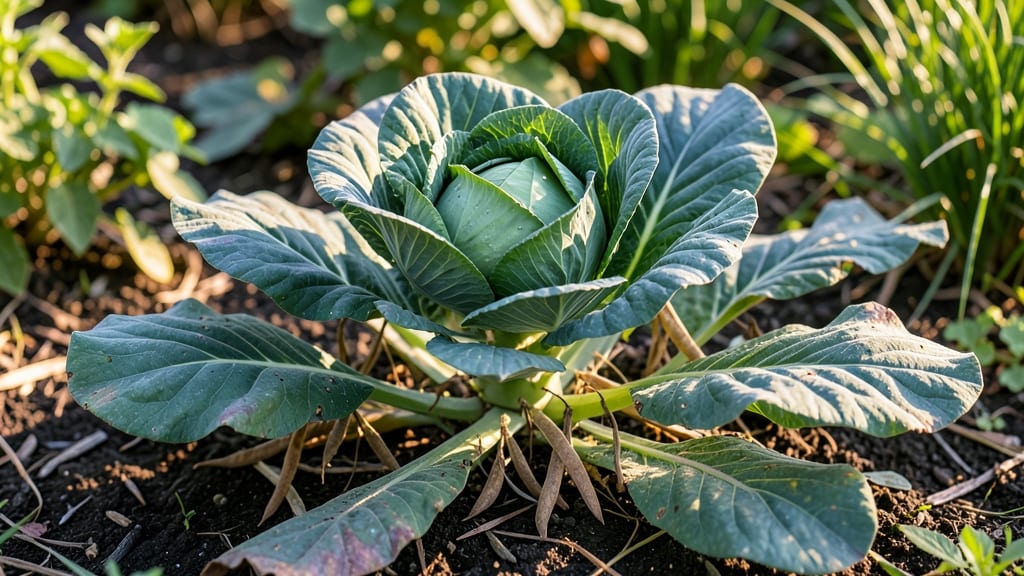
Harvesting cabbage seed pods lets you grow your favorite varieties year after year—no store-bought seeds required. 🌱 The key is knowing exactly when to pick those pods so they yield strong, viable seeds for next season’s garden.
I’ve saved seeds from my own plants for three years now, and the results are worth the small effort. Mature pods turn from green to brown and start splitting open on their own—this is your cue to act.
You’ll need a clean workspace, paper bags for drying, and a bit of patience. The process takes about 3-4 weeks from harvest to storage-ready seeds, but it’s time well spent for any gardener who wants to save money and preserve heirloom traits.
Once dried, the seeds pop out easily with a gentle squeeze. Store them in airtight containers in a cool, dark place, and they’ll stay viable for 3-5 years. The first time you see those tiny brown seeds sprout into full cabbage plants, you’ll never buy seed packets again.
This method works for all cabbage types—green, red, or savoy—but hybrid varieties won’t produce true-to-type plants. Stick with heirlooms for the best results, and you’ll have a self-sustaining seed supply in no time.
📚 In This Guide
- What you need
- Instructions
- Tips and common mistakes
- Wrapping up and next steps
What you need
- ● Mature cabbage plants: Choose open-pollinated varieties (e.g., Green Towers, Golden Acre) for reliable seeds. Aim for 3–5 healthy plants per batch.
- ● Pruning shears or sharp scissors: Sterilized (rubbing alcohol wipe) to avoid disease transfer.
- ○ Paper bags or breathable mesh sacks: 5–10 bags (1–2 per plant) for seed pod collection. Optional: Label with plant variety + date.
- ● Drying tray or clean cardboard: Flat surface for seed pods to dry 24–48 hours in a cool, dry spot (60–70°F).
- ● Fine-mesh sieve or colander: #10 or smaller for sifting seeds from dried pods.
- ● Envelopes or airtight containers: 5–10 for storing seeds (label with variety + harvest year).
- ● Permanent marker: For labeling—critical for tracking!
- ● Desiccant packs: Place in seed storage containers to absorb moisture.
- ● Humidity monitor: Keep storage below 30% humidity for long-term viability.
- ● Seed catalog or notebook: Track germination rates year-over-year.
- ● Gloves: Protect hands from sap (can irritate skin).
How to harvest viable cabbage seeds without twisting the pods
Here's the simple method I use to save seeds from cabbage plants year after year—no tangled stems or wasted pods.
🌱 Step 1: Select Healthy Mature Heads for Seed Saving
Choose the oldest, most mature cabbage heads from your garden—these are the ones that will produce the best seeds. Look for heads that have started to yellow and soften at the core, a sign they're ready for seed production. Avoid heads that show signs of disease or pest damage, as these traits can carry over to your saved seeds.
Leave these selected heads on the plant until they fully bolt—you'll see long stems with seed pods forming. This process takes about 6-8 weeks after the cabbage matures. The pods will start green, then turn yellow, and finally brown when fully ripe. Don't rush this step—patience ensures seed viability.
🌿 Step 2: Harvest Pods at Peak Ripeness
When the pods turn a dull brown color and begin to rattle when shaken gently, they're ready for harvest. This usually happens in late summer or early fall, depending on your climate. Use clean, sharp scissors to snip the entire stem with pods attached—this prevents accidental damage to the pods during handling.
Place the harvested stems in a paper bag (not plastic) to dry. Hang the bag upside down in a dry, well-ventilated area with good airflow for about 2 weeks. This allows the pods to fully dry and prevents mold growth. Avoid direct sunlight, which can overheat the pods and reduce seed quality.
✂️ Step 3: Extract Seeds Without Twisting the Pods
After drying, gently twist open each pod by hand—most will split naturally along their seams. If a pod resists, place it between two sheets of absorbent paper and press lightly with a rolling pin to crack it open. Avoid crushing the seeds inside. Pour the seeds into a clean bowl and let them air-dry for an additional 3-5 days to remove any remaining moisture.
Here's the trick to avoid tangled pods: Don't pull or twist the stems forcefully. Instead, work slowly and systematically, opening one pod at a time. Spread the seeds on a flat surface and use a fine mesh sieve to separate any debris. Store the clean seeds in a paper envelope labeled with the variety and harvest date in a cool, dry place for up to 3 years.
🌱 Step 4: Test Seed Viability Before Planting
Before using your saved seeds, test their viability by placing 10 seeds between two damp paper towels in a sealed plastic bag. Keep them in a warm spot (65-75°F) for 5-7 days. If 80% or more of the seeds sprout, they're ready for planting. If fewer than half sprout, store the seeds for another year or consider purchasing fresh ones.
This simple test saves you from planting hundreds of seeds only to find they won't germinate. Viable seeds will show firm, plump appearance and a slightly glossy texture—discard any that look shriveled or discolored. With this method, you'll always have a reliable supply of cabbage seeds tailored to your garden's conditions.
Tips & tricks for harvesting viable cabbage seeds
There's an art to harvesting cabbage seeds that keeps everything organized—and these tricks will save you from tangled stems and wasted pods.
Patience Pays Off: The 6-8 weeks it takes for cabbage heads to bolt and produce seed pods isn't just a waiting game—it's a quality guarantee. I've learned the hard way that rushing this step means lower germination rates. Look for that final brown color in the pods before harvesting, and resist the urge to pick them early. The seeds need this full maturation period to develop properly.
Harvesting Technique: When those pods turn dull brown and rattle like tiny maracas, that's your cue to harvest. The key is using clean, sharp scissors to cut the entire stem—this preserves the delicate pods and prevents accidental damage. I always work on a clean surface to avoid introducing contaminants that could affect seed viability during the drying process.
Drying Strategy: That 2-week drying period in a paper bag with good airflow is non-negotiable. I've tried plastic bags, and trust me, you'll end up with moldy pods. Hang the bag upside down in a spot with indirect light—like a basement shelf or closet—to maintain consistent moisture loss. If you notice any dampness after the 2 weeks, extend the drying time by another 2-3 days.
Seed Viability Test: The 10-seed viability test is your quality control step. I always do this test before storing seeds long-term, and it's saved me from planting hundreds of seeds that wouldn't germinate. Place those seeds between damp paper towels in a sealed bag at 65-75°F—this mimics ideal germination conditions. If fewer than 8 seeds sprout, your batch might need another year of drying before it's ready for planting.
Pro Tips for Cabbage Seed Pods
- There's an art to harvesting cabbage seeds that keeps everything organized—and these tricks will save you from tangle...
- Patience Pays Off: The 6-8 weeks it takes for cabbage heads to bolt and produce seed pods isn't just a waiting game—i...
- Harvesting Technique: When those pods turn dull brown and rattle like tiny maracas, that's your cue to harvest. The k...
Frequently asked questions
Got questions about harvesting cabbage seed pods? You’re not alone! Here are some of the most common queries—plus clear, actionable answers to help you master the process.
What’s the best time to harvest cabbage seed pods?
Harvest seed pods when they’re dry and brown but before they split open—usually 3–4 weeks after flowering. If pods crack, seeds scatter, and you’ll lose your yield. Morning harvests work best when pods are crisp.
Can I save seeds from store-bought cabbage?
Probably not reliably! Store-bought cabbage is often hybridized for uniformity, not seed viability. For true-to-type seeds, grow open-pollinated varieties like ‘Golden Acre’ or ‘Red Express.’ Save seeds from heirloom plants instead.
Why are my cabbage seed pods moldy or rotting?
Mold or rot usually means excess moisture during drying. Harvest pods when 70% dry (they’ll rattle when shaken), then spread them on paper towels in a cool, dry spot (not plastic bags!). Poor airflow = trouble.
How do I know if my cabbage seed pods are fully mature?
Fully mature pods are hard, brown, and papery—they’ll pop slightly when pressed. If they’re still green or soft, wait 1–2 more weeks. Overripe pods release seeds easily; underripe ones won’t germinate well.
What can I do with leftover cabbage seed pods after harvest?
Don’t toss them! Use leftover pods for seed paper (mix with flour and water), compost, or even craft projects (like dried flower arrangements). Just ensure they’re 100% dry first to avoid mold.
Wrapping up and next steps
Harvesting cabbage seed pods the right way ensures a steady supply of viable seeds year after year—without the hassle of tangled vines or wasted effort! 🌱 By following these simple steps, you’ll protect your plants, maximize seed quality, and enjoy a smoother gardening experience. Ready to put your new skills to work? Start by selecting a few healthy cabbage plants this season, and practice the twist-free method.
Soon, you’ll be collecting seeds like a pro—and sharing them with fellow gardeners!
- Next step: Mark your calendar for harvest time and gather your tools—your future seed stash is waiting! 🌟