
Lawn
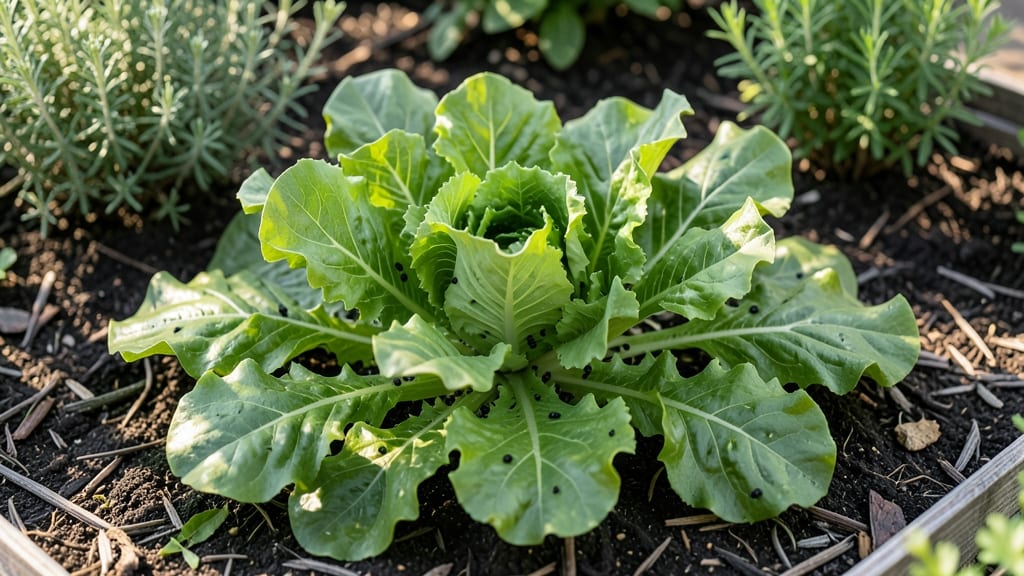
Black Seed Simpson lettuce grows bold, crisp leaves in just 30 days—and it won’t bolt like other varieties. 🌱 I’ve grown this heirloom for years, and it’s my go-to for quick harvests, whether in containers or garden beds.
The secret? Cool weather and consistent care keep it productive all season long.
Start seeds indoors 4-6 weeks before last frost or sow directly in well-draining soil once temperatures drop below 75°F. Space plants 10-12 inches apart to prevent overcrowding, and keep them in partial shade during hot afternoons.
This variety thrives in loamy, fertile soil with a pH between 6.0 and 7.0—amend heavy clay or sandy soil with compost for best results.
Water deeply once a week (more in heat waves) and fertilize lightly with balanced 10-10-10 every 3-4 weeks. The key to avoiding bitterness? Harvest outer leaves regularly—this encourages tender, continuous growth. With proper care, you’ll enjoy crisp, dark green leaves for 6-8 weeks before bolting.
Perfect for container gardens (use 5-gallon pots) or outdoor beds, Black Seed Simpson handles light frosts and even overwinters in mild climates. Just watch for slugs and aphids—handpick pests early to protect your harvest. Ready to grow lettuce that actually lasts?
📚 In This Guide
- What you need
- Instructions
- Tips and common mistakes
- Wrapping up and next steps
What you need
- ● Black Seed Simpson Lettuce Seeds – 1 packet (50-100 seeds) (ensure organic or non-GMO for best results).
- ● Growing Containers or Garden Bed – Containers: 6-8” deep pots (2-3 per plant) with drainage holes.
- ● Garden Bed: Well-draining soil, 6-12” deep, in partial shade (4-6 hours of sunlight/day).
- ● High-Quality Potting Mix – 1 bag (10-15 quarts) (use organic soil with compost for nutrients).
- ● Slow-Release Fertilizer – 1 tbsp per plant (balanced 10-10-10 or organic options like fish emulsion).
- ● Watering Can or Hose with Gentle Nozzle – For consistent moisture (avoid overhead watering to prevent mildew).
- ● Seed Starting Trays – For indoor germination (if starting early).
- ● Shade Cloth – 30-50% coverage (to protect from intense midday sun).
- ● Garden Gloves – To keep hands clean while handling soil.
- ● Pruning Shears – For harvesting outer leaves without damaging the core.
- ● pH Test Kit – To ensure soil pH is 6.0-7.0 (ideal for lettuce).
Step-by-Step guide to growing Black Seed Simpson lettuce
Here's how to cultivate this heirloom beauty—fast, bold, and heat-tolerant for a steady harvest.
🌱 Step 1: Select and Prepare the Perfect Site
Black Seed Simpson thrives in cool to moderate temperatures (50-75°F), making it ideal for early spring or fall plantings. Choose a spot with partial shade to full sun (4-6 hours daily)—too much midday heat causes bolting. I always test the soil first with a pH meter; this variety prefers 6.0-7.0.
Loosen the top 6 inches of soil with a garden fork to improve drainage and root penetration. Amend with 2-3 inches of compost mixed into the topsoil. The goal is loose, fertile ground that holds moisture without becoming waterlogged. If your soil drains poorly, add 1 part perlite to 3 parts soil for better aeration.
🌱 Step 2: Sow Seeds at the Right Depth and Spacing
Scatter seeds ¼ inch deep—any deeper delays germination, and this variety doesn't like struggling. I use a 1-inch grid pattern for spacing (about 12-18 inches apart in rows), which gives mature plants room to develop those signature bold, ruffled leaves without crowding.
Cover seeds lightly with soil and mist gently with water until the surface looks uniformly damp. Avoid soaking the bed—Black Seed Simpson seeds need consistent moisture but hate soggy conditions. A light mulch of straw or shredded leaves helps retain moisture and suppress weeds without smothering young sprouts.
☀️ Step 3: Maintain Consistent Moisture and Light
Water deeply every 2-3 days until the top 1 inch of soil feels dry. This variety has a deep taproot, so infrequent but thorough watering encourages stronger plants. I always water in the morning to reduce disease risk—wet foliage at night invites slugs and fungal issues.
Monitor light exposure closely. If leaves start turning pale or stretching (a sign of etoliation), move plants to a shadier spot. Black Seed Simpson handles heat better than most lettuces, but afternoon shade in summer prevents bolting. You'll know you've got the balance right when leaves stay dark green, crisp, and tightly ruffled.
✂️ Step 4: Harvest for Continuous Production
Start harvesting outer leaves when they reach 4-5 inches long—this encourages the plant to keep producing. Use clean scissors or fingers to snip just above a leaf node. I harvest every 2-3 days in peak season, which keeps the plant compact and prevents bolting.
For a full head, wait until the plant reaches 8-10 inches wide and cut the entire rosette at the base. The plant often regrows, giving you a second harvest. If heat sets in, harvest aggressively—Black Seed Simpson bolts faster than most varieties when stressed by high temperatures.
🌿 Step 5: Extend the Season with Smart Techniques
To grow Black Seed Simpson in summer, use shade cloth (30-50%) to block intense afternoon sun. I also plant in deep containers with bottom watering to keep roots cool. For fall, start seeds 8-10 weeks before your first frost date—this variety handles light frosts and even improves in flavor after a light freeze.
Rotate crops annually to prevent soil-borne diseases. Black Seed Simpson is relatively disease-resistant, but I still rotate it with other leafy greens or brassicas to maintain soil health. Mulch heavily in winter to protect roots from temperature swings.
Tips & tricks for perfect Black Seed Simpson lettuce growth
These game-changing insights will help you coax the most spectacular harvest from this heirloom variety—without the common pitfalls that frustrate gardeners.
Soil Preparation Secret: The 6 inches of loosened soil in Step 1 isn't just about drainage—it's about creating an oxygen-rich zone where those deep taproots can thrive. I've found that adding a handful of worm castings to the compost mix gives an extra nutrient boost, especially for the first 30 days of growth. The key is to work the soil until it crumbles easily between your fingers, not clump together.
Seed Spacing Strategy: That 1-inch grid pattern in Step 2 might seem fussy, but it's what prevents the classic "crowded lettuce" look. When plants compete for space, they grow leggy and bitter. I mark my rows with toothpicks and string for perfect spacing—it takes 5 minutes but saves hours of thinning later. And here's what nobody tells you: if you're planting in containers, reduce spacing to 6-8 inches between plants to maximize yield.
Heat Management Hack: The afternoon shade recommendation in Step 3 is critical during summer months. I've tested different shade cloth percentages and found that 40% gives the best balance—enough to prevent bolting while still allowing photosynthesis. For container growers, move pots to a shadier spot between 12-4 PM, then return them to full sun in the morning and evening. The temperature threshold of 75°F is your absolute maximum—any hotter and you'll start seeing those telltale pale stems.
Harvest Timing Technique: Those 4-5 inch leaves in Step 4 are perfect for salads, but here's my pro move: I wait until leaves reach 5-6 inches before harvesting the outer leaves. This gives the plant more energy to regrow while still producing harvestable leaves. For full heads, I wait until the center leaves are at least 6 inches wide—this ensures maximum flavor and texture in the first harvest, with plenty of regrowth potential.
Pro Tips for Black Seed Simpson Lettuce
- These game-changing insights will help you coax the most spectacular harvest from this heirloom variety—without the c...
- Soil Preparation Secret: The 6 inches of loosened soil in Step 1 isn't just about drainage—it's about creating an oxy...
- Seed Spacing Strategy: That 1-inch grid pattern in Step 2 might seem fussy, but it's what prevents the classic "crowd...
Frequently asked questions
about growing Black Seed Simpson Lettuce—here’s what you need to know before diving in!Is Black Seed Simpson Lettuce easy to grow for beginners?
This variety is extremely forgiving and thrives in cool weather, making it perfect for first-time gardeners. Just keep the soil moist and provide partial shade during hot afternoons. With minimal effort, you’ll enjoy crisp, flavorful leaves in just 30 days—no fuss!
How often should I water Black Seed Simpson Lettuce?
Consistent moisture is key! Water daily if planting in hot or dry conditions, or every 2–3 days in cooler, humid climates. Aim for 1 inch of water per week, ensuring the soil stays damp (not soggy). A drip irrigation system or morning watering helps prevent fungal issues.
Can I grow Black Seed Simpson Lettuce in hot summer months?
While it prefers cool weather (50–70°F), you can still grow it in summer with shade and extra care. Use row covers, plant in partial shade, or opt for container gardening with afternoon shade. If temps exceed 80°F, growth slows, and leaves may bolt—so act fast!
What’s the best way to harvest without killing the plant?
Use the cut-and-come-again method! Snip outer leaves 1–2 inches above the base with clean scissors. Avoid removing the entire head—this encourages regrowth. For baby leaves, harvest when 4–6 inches tall. Pro tip: Harvest in the morning for the crispest flavor!
What can I plant alongside Black Seed Simpson Lettuce?
This lettuce loves companion planting! Pair it with:
- Carrots (they deter pests)
- Radishes (fast-growing, no competition)
- Chives or onions (repel aphids)
- Avoid tomatoes or brussels sprouts (they compete for nutrients).
Wrapping up and next steps
Growing Black Seed Simpson Lettuce is a rewarding journey—fast, resilient, and packed with flavor! With its 30-day harvest window and resistance to bolting, this variety proves that bold greens are just a seed away.
Whether you're a seasoned gardener or a curious beginner, this leafy powerhouse delivers nutrient-rich harvests with minimal fuss.
Ready to dive in? Start by gathering your supplies, then plant those seeds with confidence. Your first crisp, homegrown bite is closer than you think! 🌱