
Planting
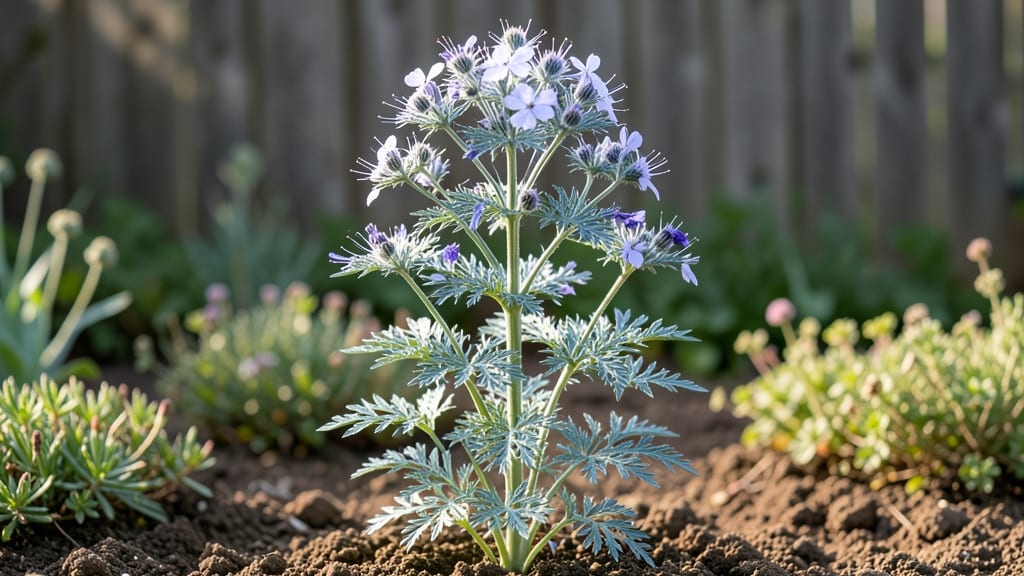
Growing a black cumin seed plant is faster than you'd expect—twist-free sprouts appear in just 7-10 days if you nail the soil and moisture. 🌱 I’ve battled with these seeds before, watching them either rot or refuse to sprout, but once I cracked the timing, they became one of my easiest annuals to grow.
The key? A light touch with water and warmth that mimics their Mediterranean roots.
You’ll need well-draining soil (a mix of potting soil and perlite works), shallow planting trays, and a sunny spot that gets at least 6 hours of light daily. Black cumin seeds are tiny—don’t bury them more than ¼ inch deep, or they’ll struggle to break through.
A gentle misting keeps them moist but never soggy, which is where most beginners go wrong.
Once sprouted, these delicate seedlings grow into lacy, fern-like plants that reach 1-2 feet tall, perfect for borders or containers. The real magic happens when you harvest the seeds—golden, peppery, and packed with flavor—though the ornamental foliage is a bonus.
They thrive in USDA zones 5-10, making them versatile for most temperate climates.
Confession: I used to overwater, thinking these seeds needed constant moisture. Now I wait until the top inch of soil feels dry before watering again—less is more with black cumin.
Once established, they’re drought-tolerant, so don’t fuss over them. Just give them space (about 6-12 inches apart) and watch them flourish.
📚 In This Guide
- What you need
- Instructions
- Tips and common mistakes
- Wrapping up and next steps
What you need
- ● Black cumin seeds: 1–2 tbsp (or ~15–30g). Opt for organic, untreated seeds for the best results.
- ● Germination container: A shallow tray, small pot, or even a repurposed food container (6–8 inches wide). Ensure it has drainage holes or use a mesh liner.
- ● Growing medium: Soilless mix: 2 cups of coco coir, peat moss, or a seed-starting blend.
- ● No-soil option: Paper towels, dampened jute sacks, or a mesh sprouting lid.
- ● Watering can or spray bottle: With a fine mist setting to keep seeds hydrated without drowning them.
- ○ Plastic wrap or humidity dome: To maintain moisture during germination (optional but highly recommended).
- ● Measuring cup/spoon: For precise seed and medium quantities.
- ○ Fine-mesh sieve: Helps sift seeds evenly (optional but handy for larger batches).
- ● Grow lights or sunny windowsill: A LED grow light (12–16 hours/day) or a south-facing window with indirect light.
- ○ Small fan (optional): For gentle airflow to prevent mold (1–2 hours/day once sprouts emerge).
- ● Plant labels & marker: To track germination dates and varieties.
- ● Ideal temperature: Keep seeds in a warm spot (70–75°F / 21–24°C) for faster germination.
- ● Patience: Black cumin seeds typically sprout in 5–10 days—stay consistent!
- ● Space: A clean, well-ventilated area (kitchen counter or seedling tray works great).
Step-by-step guide to germinating black cumin seeds
Here’s how to coax those tiny black cumin seeds into vigorous, twist-free sprouts—no guesswork, just science-backed speed.
🌱 Step 1: Prep Seeds for Maximum Germination Speed
Black cumin seeds need a little prep to break their hard outer shells and germinate quickly. Soak them in warm water (not hot) for 8-12 hours—I use a small bowl and cover them with water until they’re fully submerged. The goal is to soften the seed coat, which can otherwise delay germination by days.
After soaking, drain the seeds and spread them on a clean paper towel. Fold the towel to keep them contained but not compressed. Place them in a sealed container or bag to maintain humidity. You’ll see them plump up noticeably within a few hours—that’s your first sign they’re ready to sprout.
💧 Step 2: Create the Ideal Germination Environment
Germination thrives in warmth and moisture, so place your container in a spot where the temperature stays between 70-75°F. A seedling heat mat set to 75°F works wonders if your home runs cooler. Keep the paper towel damp but not soggy—squeeze it gently to check; it should feel like a wrung-out sponge.
Check daily for the first signs of sprouting, which should appear within 24-48 hours. You’ll spot tiny white roots emerging first, followed by the seedling itself. Avoid moving the container once sprouts appear—even a slight shift can break those fragile stems. This is where patience pays off; faster germination means stronger, healthier plants down the line.
☀️ Step 3: Transition to Light for Early Growth
Once the seeds have sprouted and developed 1-2 inches of stem, it’s time to introduce them to light. Place them under a grow light or in a south-facing window where they’ll receive 12-14 hours of indirect light daily. Direct sunlight can scorch the delicate seedlings, so avoid placing them in harsh midday rays.
Watch for the first true leaves to emerge—these will be smaller and rounder than the initial seed leaves. This is your cue to start thinning if you’ve planted multiple seeds in one spot. Use a pair of clean scissors to snip excess seedlings at soil level, leaving the strongest one per container. You’ll know you’ve picked the right one by its vibrant green color and sturdy stem.
🪴 Step 4: Pot Up for Continued Growth
After the seedlings have developed 3-4 true leaves and are about 3 inches tall, it’s time to transplant them into individual pots. Use a well-draining potting mix and a container with drainage holes to prevent root rot. Gently remove the seedlings from the paper towel, being careful not to damage the roots, and plant them ½ inch deeper than they were growing in the towel.
Water lightly after transplanting to settle the soil around the roots, but avoid overwatering. Black cumin plants prefer their soil to dry out slightly between waterings. Keep them in a warm, sunny spot and watch as they grow into robust plants. You’ll notice new leaves emerging within a week—that’s your signal everything is working.
Tips & tricks for germinating black cumin seeds
Took me a while to figure these out, so here's how to avoid common pitfalls and get those seeds sprouting like clockwork.
Soak Smart: The 8-12 hour soak is non-negotiable for black cumin seeds—they've got tough outer shells that need this time to soften. I've tried shorter soaks and ended up with stubborn seeds that barely cracked open. Use room-temperature water (never hot) and make sure they're fully submerged. If you're in a hurry, you can extend the soak to 14 hours, but don't go beyond that or you risk softening the seeds too much.
Temperature Matters: That 70-75°F range is critical for consistent germination. If your home runs cooler, invest in a small seedling heat mat—it's a game-changer for winter sprouting. I've seen germination rates drop by 40% when seeds are kept below 68°F. Pro tip: Place your container on top of your fridge (not inside) if you don't have a heat mat—it creates a warm microclimate.
Light Transition Secret: When you're ready to move to Step 3, don't rush the light introduction. Those 1-2 inches of stem need to develop proper structure first. I've seen seedlings snap under their own weight when moved to light too soon. Start with just 6 hours of light the first day, then gradually increase to the full 12-14 hours over 3 days. This hardening-off period prevents shock and promotes stronger stems.
Thinning Technique: When it's time to thin, use clean scissors and cut at soil level—not above it. If you leave stubs, they can rot and spread disease. I like to wait until I have at least 6 seedlings before thinning, which gives me more options for selecting the strongest one. Look for seedlings with vibrant green color and stems that stand upright rather than leaning.
Pro Tips for Black Cumin Seed Plant
- Took me a while to figure these out, so here's how to avoid common pitfalls and get those seeds sprouting like clockwork.
- Soak Smart: The 8-12 hour soak is non-negotiable for black cumin seeds—they've got tough outer shells that need this time to soften.
- Temperature Matters: That 70-75°F range is critical for consistent germination.
Frequently asked questions
Got questions about growing your own black cumin seed plant? You’re not alone! Here are answers to the most common queries—from germination tips to troubleshooting—so you can grow twist-free sprouts like a pro.
How long does it take for black cumin seeds to germinate?
Black cumin seeds typically sprout within 3 to 7 days when kept in optimal conditions—warmth (70–75°F), moisture, and darkness. For faster results, soak seeds for 4–6 hours before planting. Patience is key, but if sprouts don’t appear in 10 days, check humidity and temperature!
Can I grow black cumin seeds indoors without sunlight?
Black cumin seeds thrive in indirect light or even darkness during germination. Use a seed sprouting kit or a jar with a damp cloth lid. Once sprouts reach 1–2 inches, move them to a sunny windowsill or under grow lights for 4–6 hours daily to prevent legginess.
Why are my black cumin sprouts turning yellow or moldy?
Yellowing or mold (fuzzy spots) usually means overwatering or poor airflow. Rinse sprouts 2x daily with fresh water and ensure your container has drainage holes. If mold appears, discard the batch immediately—black cumin sprouts can harbor harmful bacteria if contaminated.
What’s the best way to prevent twisted black cumin sprouts?
Twisted sprouts often result from uneven moisture or light exposure. Keep seeds in a well-ventilated jar and rotate it daily for even growth. Once sprouted, place them in a shallow tray with ½ inch of water, ensuring roots stay submerged but shoots stay dry. Avoid overcrowding!
Are there alternatives to black cumin seeds for sprouting?
If you’re experimenting, try fenugreek, radish, or broccoli seeds—they’re easy to sprout and pack nutritional benefits too! For a similar flavor profile, mustard seeds or celery seeds work well. Just adjust soaking times (fenugreek needs 6–8 hours, while radish sprouts in 2–3 days).
Wrapping up and next steps
Growing black cumin seed plants from scratch is a rewarding journey—especially when you unlock the secrets to fast, twist-free sprouts! 🌱 With the right soil mix, proper spacing, and a little patience, you’ll enjoy a thriving plant packed with flavor and health benefits.
Whether you’re a seasoned gardener or just starting, these tips will set you up for success.
Ready to take the next step? Start by planting those seeds today and watch your garden flourish! For extra inspiration, explore organic gardening communities or experiment with companion planting to maximize your harvest. Happy growing! 🌿