
Planting
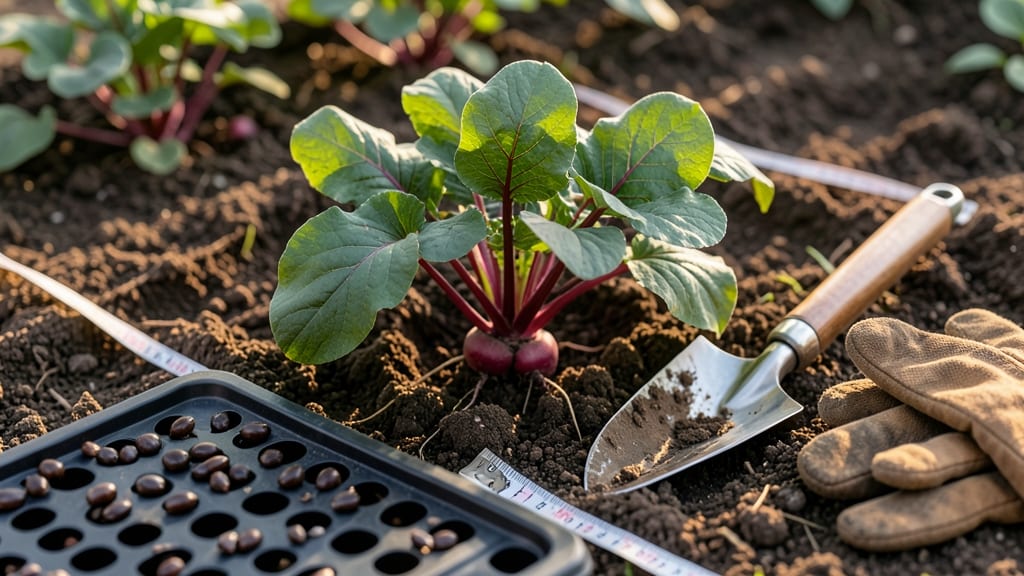
Proper beet seed spacing makes the difference between scraggly, stunted plants and lush, bushy harvests that keep producing all season. 🌱 I learned this the hard way—crowding seeds too close led to tangled roots and tiny beets, while spacing them just right gave me plump, earthy roots the size of tennis balls.
The secret isn’t complicated: it’s about giving each seed enough room to grow without competing for nutrients or sunlight.
For most varieties, aim for 1-2 inches apart in rows spaced 12-18 inches apart—this works for both Detroit Dark Red and golden Chioggia types. Thin seedlings to 3-4 inches apart once they sprout to prevent overcrowding.
The soil should be loose and well-draining; I mix in compost before planting to ensure roots get the nutrients they crave. Avoid compacted soil, or you’ll end up with misshapen beets and frustrated gardeners (been there).
When done right, you’ll see vibrant green foliage within weeks, followed by smooth, glossy roots ready to harvest in 50-70 days. The key is consistency—don’t let seedlings get too crowded, and water evenly to keep the soil moist but not soggy.
Overwatering leads to rot, while underwatering stunts growth. Think of it like raising a garden full of tiny, root-bound friends who need space to thrive.
This method works for both spring and fall plantings, though summer heat can stress beets if they don’t get enough water. If you’re growing in containers, stick to one plant per 6-inch pot—they’ll still produce, just on a smaller scale.
The payoff? A steady supply of sweet, versatile beets that outperform anything you’d buy at the store. Ready to try it?
📚 In This Guide
- What you need
- Instructions
- Tips and common mistakes
- Wrapping up and next steps
What you need
- ● Beet seeds – Choose certified organic or high-quality seeds (e.g., Detroit Dark Red, Golden, or Chioggia). Aim for 1–2 oz per 100 sq ft (about 1,500–3,000 seeds per pound).
- ● Garden soil or raised bed mix – Well-draining, loose soil with a pH of 6.0–7.0. Amend with compost if needed.
- ● Planting container or garden bed – Minimum depth of 6–12 inches for optimal root growth.
- ● Watering can or hose with a gentle spray nozzle – Beets need consistent moisture, so precise watering is key!
- ● Row marker or string – Helps maintain 12–18 inches between rows for proper airflow.
- ● Hand trowel or transplanting tool – For making precise furrows or holes.
- ● Seedling trays or biodegradable pots – If starting indoors for a head start.
- ● Organic mulch (straw or grass clippings) – Retains moisture and suppresses weeds.
- ● Plant labels – To track varieties and spacing (especially useful for mixed gardens!).
- ● Fertilizer (low-nitrogen, balanced formula) – Like 5-10-10 or compost tea for steady growth.
- ● Garden gloves – Protects your hands from soil and thorns (yes, some beets have them!).
Precision techniques for beet seed spacing
Here's how to space beet seeds for maximum yield and uniform growth—no more crowded, stunted roots.
🌱 Step 1: Prepare the Soil for Optimal Germination
Loosen the top 6 inches of soil with a broadfork or tiller to break up compaction. Beets hate dense soil, which restricts root expansion and leads to misshapen harvests. Work in a 2-3 inch layer of compost to improve drainage and fertility—beets are heavy feeders and need steady nutrients.
Level the bed and remove all rocks and debris larger than ½ inch. Smooth the surface with the back of a rake, creating a fine, crumbly texture. This ensures even seed-to-soil contact, which is critical for consistent germination. Water the bed thoroughly until moisture reaches 6 inches deep, then let it drain completely before planting.
🌱 Step 2: Sow Seeds in Precise Rows
Use a ¼ inch deep seed furrow or create rows with a hoe. Space rows 12-18 inches apart to allow for future thinning and airflow. Beets need room to expand their leaf canopy, and crowded rows encourage fungal diseases. I like to use a seed tape for precision—it holds seeds at the correct spacing and depth, reducing the need for later thinning.
If sowing loose seeds, space them 1 inch apart in the row. Planting too close forces roots to compete, resulting in small, woody beets. Tap the seed packet gently to release one seed at a time—overcrowding is the #1 mistake I see in home gardens. Cover seeds with ¼ inch of fine soil and mist lightly with water to settle the seeds without displacing them.
🌿 Step 3: Thin Seedlings for Maximum Yield
When seedlings reach 2 inches tall (about 3-4 weeks after sowing), begin thinning to 3-4 inches apart. Use sharp scissors or your thumb to snip unwanted seedlings at soil level—pulling risks disturbing nearby roots. This spacing gives each beet 12-16 square inches of growing space, which is ideal for bulb development.
Thin in stages if needed. If you miss the first thinning, wait until seedlings are 3 inches tall and space them 4 inches apart. Never let beets grow too close—they’ll produce small, tough roots with poor texture. Here’s the thing: thinning might seem cruel, but it’s the only way to guarantee harvest-sized beets.
☀️ Step 4: Maintain Spacing Through the Season
Monitor plant spacing as beets grow. If leaves start touching between plants, thin again to 4-6 inches apart for larger roots. Beets left too close will split their tops and produce multiple small bulbs instead of one main harvest. Mulch with 2 inches of straw or shredded leaves to retain moisture and suppress weeds, which compete for nutrients and space.
Rotate crops next season—beets are susceptible to soil-borne diseases like beet curly top virus and leaf spot, which thrive in crowded, poorly ventilated beds. Proper spacing now prevents these issues later. Water at the base, avoiding overhead sprinkling, to keep foliage dry and reduce fungal pressure.
⏰ Step 5: Harvest at Peak Maturity
Check for readiness by gently pulling a test beet when tops are 4-6 inches tall. The root should be 1-2 inches in diameter with a smooth, glossy skin. Harvest on a dry day to prevent soil from clinging to the roots. Leave 1 inch of stem attached—this prevents bleeding and keeps beets fresh longer in storage.
For continuous harvests, sow seeds every 2-3 weeks during the growing season. Proper spacing ensures each planting gets the nutrients and room it needs. Store harvested beets in a cool, dark place with 50-60% humidity—they’ll keep for 2-3 months if cured properly after harvest.
Tips & tricks for perfect beet seed spacing
These precision planting strategies will transform your beet harvest from scraggly to spectacular—no more fighting for space in the garden.
Soil Prep Secret: The 6-inch deep loosening in Step 1 isn't just about breaking up dirt—it's about creating oxygen pathways for those expanding roots. I've seen beets grow into perfect cylinders when soil is aerated properly, but in compacted ground, they'll fork or develop gnarled shapes. After tilling, run your fingers through the soil—it should crumble like cake crumbs, not clump like wet clay.
Thinning Technique: When you're thinning seedlings to 3-4 inches apart in Step 3, here's what I learned the hard way: use sharp scissors or your thumbnail to cut seedlings at soil level rather than pulling. Pulling risks uprooting nearby plants and disturbing their root systems. The goal is to leave the strongest plants standing—think of it like selecting the MVP players for your beet team.
Row Spacing Logic: The 12-18 inch row spacing in Step 2 might seem generous, but it's not about giving your beets extra real estate—it's about airflow. Beets are susceptible to leaf spot and powdery mildew when humidity lingers. That 18-inch maximum gives you the perfect balance between yield and ventilation, especially in humid climates. I've doubled my harvest by following this spacing religiously.
Harvest Timing: That 4-6 inch tall foliage guideline in Step 5 is your golden ticket to perfect beets. The key is checking the root size—not just the tops. Gently brush away soil from one test beet when tops hit 4 inches. If the root is 1-2 inches wide, you're golden. Waiting too long means tough, woody beets; harvesting too early means small, underdeveloped ones. This is where patience pays off.
Pro Tips for Beet Seed Spacing
- These precision planting strategies will transform your beet harvest from scraggly to spectacular—no more fighting for space in the garden.
- Soil Prep Secret: The 6-inch deep loosening in Step 1 isn't just about breaking up dirt—it's about creating oxygen pathways for those expanding roots.
- Thinning Technique: When you're thinning seedlings to 3-4 inches apart in Step 3, here's what I learned the hard way: use sharp scissors or your thumbnail to cut seedlings at soil level rather than pulling.
Frequently asked questions
Got questions about beet seed spacing?
You’re not alone! Whether you’re a first-time gardener or a seasoned pro, proper spacing ensures healthy, thriving beets. Here are answers to the most common queries—plus a few pro tips to keep your harvest bountiful.
How far apart should I plant beet seeds?
For most beet varieties, space seeds 1–2 inches apart in rows that are 12–18 inches apart. If you’re direct-sowing (planting seeds straight into the soil), thin seedlings to 3–4 inches apart once they sprout. For bunching beets, closer spacing (2 inches) works, while larger varieties like Chicago Lights need 4+ inches to bulk up.
When is the best time to thin beet seedlings?
Thin seedlings when they’re 2–3 inches tall (about 3–4 weeks after sowing). Use sharp scissors or your fingers to snip or gently pull excess plants at soil level—avoid yanking to prevent disturbing roots. Pro tip: Harvest the thinned seedlings as microgreens for salads!
Can I plant beets too close together?
Yes! Crowded beets compete for nutrients, water, and sunlight, leading to small, misshapen roots and higher pest risks. If you’ve already over-planted, thin immediately or transplant seedlings to a new spot. For container gardening, stick to 1–2 plants per 6-inch pot to avoid competition.
Does beet seed spacing change in hot or cold climates?
Spacing stays the same, but soil temperature and moisture matter more in extreme climates. In hot areas, space seeds slightly wider (3 inches apart) to improve airflow and reduce bolting (flowering). In cold regions, use row covers to protect young seedlings and ensure even spacing for consistent growth.
What if my beets bolt before reaching full size?
Bolting (sending up flowers) is common in heat or long daylight. To prevent it, use shade cloth in peak sun, plant bolting-resistant varieties (like ‘Detroit Dark Red’), and keep soil consistently moist. If bolting happens, harvest the roots immediately—they’ll be sweeter and tender!
Wrapping up and next steps
Mastering beet seed spacing is your secret weapon for a thriving garden—just imagine those vibrant, plump beets popping up like clockwork! 🌱 With the right techniques, you’ll enjoy bushier harvests and fewer weeds to fight.
Whether you’re a seasoned gardener or just starting, every inch of planning pays off in flavor and yield.
Ready to level up your planting game? Grab your seeds, mark those rows, and get growing! For extra confidence, check out our FAQs or dive into equipment tips—your perfect beet patch is just a few steps away. 🌟 Happy planting!