
Propagation
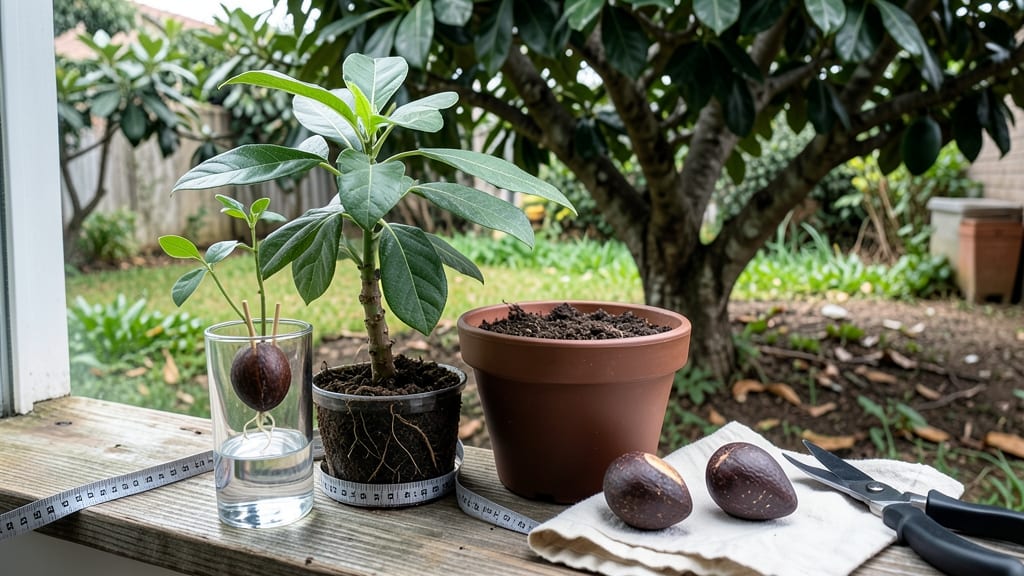
Growing avocado from seed to fruit is a decade-long journey that starts with a single pit and ends with your own homegrown fruit—if you're patient enough. 🌱 I've watched my kitchen countertop become a jungle of seedlings, and only one survived to reach fruiting age, but that single tree taught me everything I know about nurturing these tropical giants.
The first six months are all about germination and baby leaves, not fruit. You'll need a jar of water, a toothpick, and a sunny windowsill. Most people quit here, but the real magic happens years later when that stubborn little tree finally flowers.
My tree took five years just to bloom, but now it produces fruit every spring. Once you get past the seedling stage, it's about sunlight, soil, and space. Avocados need full sun, well-draining soil, and a pot that grows with them. The biggest mistake?
Skipping the pollination step—avocados are self-pollinating but need help from bees or a paintbrush to set fruit. This isn't a quick harvest, but there's nothing like biting into an avocado you grew from a seed you saved. Let's get started with the first critical steps—your future fruit tree is waiting.
📚 In This Guide
- What you need
- Instructions
- Tips and common mistakes
- Wrapping up and next steps
What you need
- ● Avocado pit: A fresh, organic avocado pit (preferably from a Hass variety for best results).
- ● Toothpicks or small skewers (4-6): For suspending the pit during rooting.
- ● Jars or glasses (1-2): 16–20 oz size, filled with water (non-chlorinated if possible).
- ● Well-draining potting mix: A blend of cactus/succulent mix (60%) and perlite or coarse sand (40%) for aeration.
- ● 6–8 inch pot: With drainage holes (terracotta or plastic).
- ● Spray bottle: For gentle watering to avoid over-saturation.
- ● Fertilizer (balanced or citrus-specific): Diluted to half-strength (e.g., 10-10-10 or 6-6-6).
- ● Grow lights or sunny windowsill: 6+ hours of bright, indirect light daily.
- ● Humidity dome or plastic wrap: To retain moisture during early growth.
- ● pH testing kit: Ideal soil pH for avocados is 6.0–7.0.
- ● Trellis or support: As the plant grows taller (avocados can reach 20+ feet!).
- ● Pruning shears: For shaping and encouraging bushier growth.
- ● Thermometer/hygrometer: Avocados thrive in 70–85°F temps.
Step-by-step instructions for growing avocados from seed to fruit
Here’s the straightforward method I’ve used to coax avocado seeds into thriving trees—no fancy tools or greenhouses required.
🌱 Step 1: Germinate the Seed with Toothpicks
Start with a fresh avocado pit, preferably from a ripe Hass variety. Remove the seed by cutting around the pit with a sharp knife—leave the brown skin intact, as it protects the seed. Insert three toothpicks evenly around the middle, then suspend the pit over a glass or jar filled with 2-3 inches of water. The base should just touch the water, not submerge. Place the setup in a warm, bright spot (but out of direct sun) where the temperature stays between 65-75°F.
Change the water every 2-3 days to prevent bacterial growth. Within 2-6 weeks, you’ll see roots emerge first, followed by a small sprout. This is your signal to move to soil. I know it feels like forever, but patience here prevents rot and leggy stems. Once roots reach 2-3 inches, it’s time to plant.
🪴 Step 2: Plant in Well-Draining Soil
Use a 6-inch diameter pot with drainage holes and fill it with a mix of 50% potting soil and 50% perlite or coarse sand. This prevents soggy soil, which kills avocado roots. Plant the seed so the top half remains above soil—buried seeds won’t sprout. Gently firm the soil around the base and water lightly until moisture reaches the bottom of the pot.
Place the pot in bright, indirect light for the first week to help the seedling adjust. Avoid direct sun, which can scorch tender new leaves. You’ll notice the first true leaves (not the initial seed leaves) appear within 2-4 weeks—this confirms successful germination. Once established, move the pot to a spot with 6+ hours of morning sun and afternoon shade.
☀️ Step 3: Transition to Sun and Fertilizer
After 4-6 weeks, when the seedling has 4-6 true leaves, gradually introduce it to more sunlight. Start with 2-3 hours of direct sun daily, then increase by 1 hour weekly to avoid leaf burn. Avocado trees thrive in full sun but need time to acclimate—think of it like sunbathing after winter.
Begin fertilizing when the seedling reaches 6 inches tall. Use a balanced, water-soluble fertilizer (10-10-10) diluted to half-strength. Apply every 4-6 weeks during spring and summer. Over-fertilizing causes salt buildup in the soil, which harms roots. You’ll see new growth spurt when you get the balance right—leaves will darken and stems thicken noticeably.
✂️ Step 4: Prune and Repot for Growth
When the seedling reaches 12-18 inches tall, it’s time to prune and repot. Trim any yellow or damaged leaves with clean scissors, and cut back leggy stems by ⅓ to encourage bushier growth. Choose a 12-inch diameter pot with fresh potting mix—avocados outgrow small containers quickly.
Repot in early spring before new growth begins. Gently remove the seedling, loosen the roots, and place it in the new pot at the same depth. Water thoroughly after repotting to settle the soil. If you notice roots circling the pot, trim them lightly to prevent girdling. This step ensures your tree has room to grow without stressing its root system.
🍈 Step 5: Care for Fruit Production (Years 3-5+)
Avocado trees from seed rarely fruit before 3-5 years, but proper care speeds up the process. Once the tree is 5 feet tall, switch to a low-nitrogen, high-potassium fertilizer (like 5-10-10) to encourage flowering. Pollinate by hand if indoors—use a small paintbrush to transfer pollen from one flower to another in the morning when blooms are fresh.
Fruit appears on mature trees as small, hard bumps. Be patient—it can take 1-2 years after flowering to see edible avocados. Harvest when the fruit yields slightly to gentle pressure and the skin darkens. If your tree stays indoors, expect smaller fruit; outdoor-grown trees produce larger, tastier avocados. Here’s the thing—even if you never get fruit, the journey is rewarding. A healthy avocado tree is a living conversation piece.
Tips & tricks for growing avocados from seed to fruit
Here's what nobody tells you about growing avocados—these tricks make all the difference between a thriving tree and a sad, leggy plant.
Water Temperature Matters: Keep your water between 65-75°F for germination. Cold water slows root growth, while warm water can encourage bacterial growth. I use a small thermometer to check—if your kitchen runs cold, place the jar near a sunny window or use room-temperature water. The 2-3 inches of water should feel slightly warm to the touch, like bathwater, not icy.
Germination Speed Hack: The 2-6 weeks wait for sprouting feels endless, but you can speed things up slightly by placing your jar under a grow light for 12 hours daily. Just avoid direct sunlight—it causes algae growth in the water. I also found that rotating the jar quarter-turn daily prevents roots from growing crooked toward the light.
Soil Mix Secret: For Step 2, don't just use any potting soil—avocados hate soggy roots. Mix 50% potting soil with 50% perlite or coarse sand to create perfect drainage. I add a handful of orchid bark chips (optional) for extra aeration. When planting, make sure the top half of the seed stays above soil—this is where the sprout will emerge.
Sun Transition Strategy: The gradual sun increase in Step 3 is crucial. Start with just 2-3 hours of direct sun and increase by 1 hour weekly. I use a timer to track sunlight exposure—this prevents leaf burn. Watch for pale yellow leaves as a warning sign you're moving too fast. After 4-6 weeks, your seedling should handle full morning sun and afternoon shade like a pro.
Pro Tips for Avocado From Seed To Fruit
- Here's what nobody tells you about growing avocados—these tricks make all the difference between a thriving tree and a sad, leggy plant.
- Water Temperature Matters: Keep your water between 65-75°F for germination.
- Germination Speed Hack: The 2-6 weeks wait for sprouting feels endless, but you can speed things up slightly by placing your jar under a grow light for 12 hours daily.
Frequently asked questions
Got questions about growing avocados from seed? You’re not alone! Here are some of the most common queries—and their answers—to help you succeed in your home garden journey.
How long does it take for an avocado seed to grow into a fruit-bearing tree?
A seed-grown avocado tree typically takes 5–13 years to bear fruit, depending on variety, care, and climate. Patience is key! Early years focus on root and trunk development. Pro tip: Choose faster-maturing varieties like Hass if you’re eager for avocados.
Can I grow an avocado tree indoors, or does it need outdoor conditions?
Avocado trees thrive outdoors in warm climates (USDA Zones 9–11), but you can start them indoors! Place your seedling near a sunny window or under grow lights. Once established, transplant outdoors in spring. Warning: Indoor trees rarely fruit—outdoor exposure is critical for blooming.
Why isn’t my avocado seed sprouting after weeks of waiting?
Don’t rush it! Seeds can take 2–6 weeks to sprout. Check for:
- Moisture: Keep soil damp (not soggy).
- Temperature: Warmth (70–85°F) speeds germination.
- Patience: Some seeds take months—don’t give up!
What’s the best way to pollinate an avocado tree if I want fruit?
Avocados are self-pollinating, but cross-pollination improves fruit set. If your tree isn’t fruiting after 5+ years:
- Plant a second variety nearby (e.g., Fuerte + Hass).
- Gently shake branches during bloom to release pollen.
- Use a soft brush to transfer pollen between flowers.
Can I grow avocados in cold climates, or should I stick to tropical zones?
Avocados hate frost—they’re tropical! In cold areas, grow them in containers and:
- Move pots indoors during winter (keep near light).
- Use a greenhouse or heated garage.
- Choose dwarf varieties (e.g., Mexicola) for smaller spaces.
Wrapping up and next steps
Growing avocados from seed to fruit is a rewarding journey that blends patience, care, and a little creativity! 🌱 Whether you're a beginner or a seasoned gardener, watching that tiny seed transform into a lush tree—and eventually a delicious avocado—is incredibly satisfying.
With the right conditions, consistent attention, and a dash of optimism, you can enjoy homegrown avocados year-round.
Ready to take the next step? Start by planting your seed today and keep nurturing your young tree. Who knows? You might just become the proud parent of your very own avocado tree—and soon, your kitchen will be filled with the rich, creamy goodness of homegrown fruit! 🥑✨