Lawn
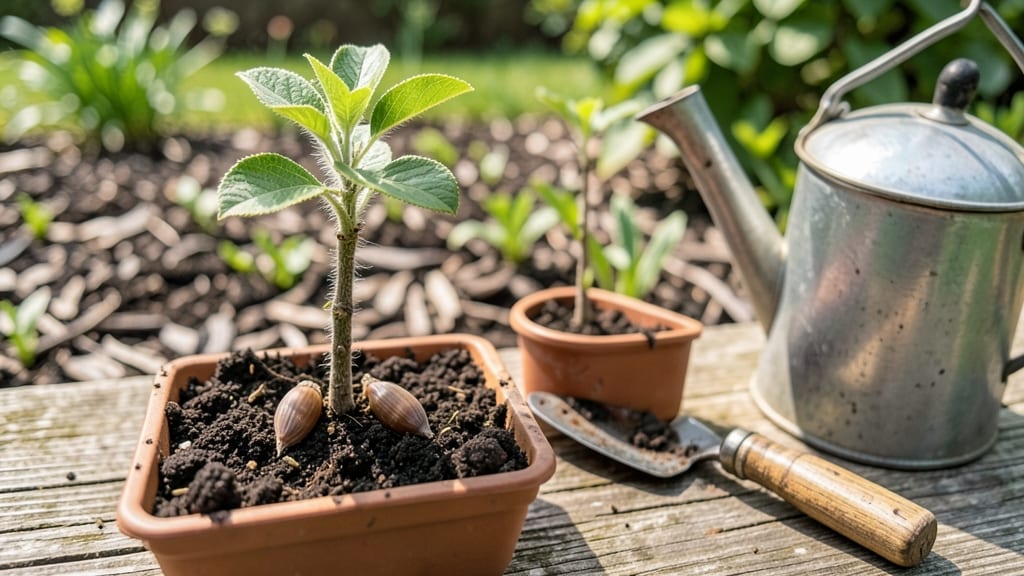
Unlocking the apple seed growth process reveals a world of genetic surprises—just don’t expect the same fruit you ate. 🌱 The key lies in extracting viable seeds without crushing the delicate embryos inside, a process that turns kitchen scraps into future orchards with the right technique.
Start with fresh, organic apples—seeds from store-bought fruit often fail to germinate. After scooping them out, let them dry for a day, then store them in a damp paper towel in the fridge for 60-90 days to mimic winter’s natural stratification.
This step tricks the seed into thinking it’s ready to grow, dramatically improving success rates.
Once stratified, plant the seeds in well-draining soil, 1/4-inch deep, and keep them in bright, indirect light. Sprouts may take 2-4 weeks, but be patient—these seedlings won’t fruit for 5-10 years (if ever). The real reward? A tree with unique, unpredictable flavors that no nursery could sell you.
Home gardeners can absolutely try this, though nurseries still win for reliable fruit. The magic happens in the waiting—watch those first leaves unfurl, knowing you’re nurturing something entirely your own. Challenges? Yes. Worth it? Absolutely.
📚 In This Guide
- What you need
- Instructions
- Tips and common mistakes
- Wrapping up and next steps
What you need
- ● Ready to grow your own apple tree from seed? Here’s everything you’ll need to extract viable seeds without harming the embryos—plus a few handy extras for success! 🌱✨
- ● Pro tip: 🌡️ Work in a cool, dry space—moisture and heat can speed up seed decay before stratification!
Step-by-Step guide to extracting viable apple seeds
Here's how to carefully harvest seeds from apples while preserving their germination potential.
🍎 Step 1: Select and Prepare the Apples
Choose firm, fully ripe apples with no bruising or soft spots—these yield the healthiest seeds. Wash the fruit thoroughly to remove any wax or pesticide residue that could harm the embryos. I like to work with heirloom varieties since their seeds often have higher germination rates than commercial apples.
Cut the apple in half horizontally using a sharp knife, being careful not to crush the seeds. The goal is to expose the core without damaging the seed clusters. Place the halves cut-side down on a clean cutting board to prevent seeds from rolling away during extraction.
🌱 Step 2: Extract Seeds Without Damaging Embryos
Gently scoop out the core, separating the seeds from the fibrous strands. I use a small spoon to lift seeds directly from the core rather than scraping them—they're surprisingly delicate. Handle seeds with care, as even minor cracks reduce germination chances. Place them in a bowl of cool water to separate viable seeds from non-viable ones.
Viable apple seeds sink immediately, while empty or damaged ones float. Discard any seeds that float or show signs of mold. After 10 minutes, drain the water and transfer only the sunken seeds to a paper towel. Pat them dry gently—moisture speeds up decay during storage.
⏰ Step 3: Stratify Seeds for Germination
Apple seeds require 60-90 days of cold stratification to break dormancy. Place the dried seeds in a sealed plastic bag with a damp paper towel—just enough moisture to keep the towel damp, not soaking. I label each bag with the apple variety and date to track stratification progress.
Store the bag in your refrigerator's crisper drawer, where temperatures stay consistently between 35-45°F. Check monthly to ensure the towel remains damp. After 90 days, remove the seeds and plant them in well-draining potting mix at a depth of ½ inch. Keep the soil consistently moist but never soggy.
☀️ Step 4: Provide Ideal Growing Conditions
Place the planted seeds in a location with bright, indirect light—a north-facing window works well. Apple seedlings are sensitive to heat, so maintain temperatures between 60-70°F. You'll see sprouts in 2-4 weeks, though some varieties may take longer.
Once seedlings reach 4-6 inches tall, transplant them into individual 4-inch pots with fresh potting mix. Thin to the strongest seedling per pot—crowded roots stunt growth. Harden off seedlings by gradually exposing them to outdoor conditions over 10-14 days before planting in the garden.
Tips & tricks for perfect apple seed germination
To maximize your success with apple seed germination, here are the key strategies I've learned from years of trial and error.
Selection Matters: In Step 1, don't just grab any apple—look for varieties like Granny Smith or Honeycrisp, which typically have higher germination rates. The seeds from heirloom apples often outperform those from grocery store varieties. I've found that organic apples tend to yield healthier seeds since they're less likely to have chemical residues that can inhibit germination.
Handling Delicate Seeds: During Step 2, when extracting seeds, be extra gentle—they're more fragile than you might think. I've ruined batches by being too aggressive with scraping. Instead, use a spoon to lift seeds directly from the core, and never let them dry out completely during the 10-minute water test. The slight moisture helps identify viable seeds while preventing damage to the embryos.
Stratification Precision: For Step 3, the 60-90 days of cold stratification is non-negotiable, but consistency is key. I've had best results using a small plastic bag with a damp paper towel—just enough moisture to keep it slightly damp, not soggy. Place it in the refrigerator's crisper drawer where temperatures stay between 35-45°F. Check monthly to ensure the towel remains damp; if it dries out, the seeds won't break dormancy properly.
Light and Temperature Balance: In Step 4, when planting, bright indirect light is crucial. A north-facing window works perfectly, but avoid direct sunlight which can scorch the delicate seedlings. Maintain temperatures between 60-70°F—any hotter and the seedlings may become leggy and weak. I've seen sprouts appear in as little as 2 weeks with ideal conditions, though some varieties may take longer.
Pro Tips for Apple Seed Growth
- To maximize your success with apple seed germination, here are the key strategies I've learned from years of trial and error.
- Selection Matters: In Step 1, don't just grab any apple—look for varieties like Granny Smith or Honeycrisp, which typically have higher germination rates.
- Handling Delicate Seeds: During Step 2, when extracting seeds, be extra gentle—they're more fragile than you might think.
Frequently asked questions
Got questions about growing apple seeds? You’re not alone—many gardeners wonder how to maximize their chances of success. Below, we’ve answered the most common questions to help you navigate apple seed growth like a pro!
How long does it take for an apple seed to sprout?
Apple seeds typically sprout in 4–8 weeks after planting, depending on temperature and moisture. Keep the soil consistently damp (but not soggy) and maintain a warm environment (around 70°F) for the fastest germination. Patience is key—some seeds may take longer!
Can I grow an apple tree from any apple seed?
Technically, yes—but the results may vary! Store-bought apples are often hybrids, so seeds might not grow into the same variety. For consistent fruit quality, grafted trees or seeds from heirloom apples are better. If you’re experimenting, choose organic, non-hybrid apples for the best chance.
Why isn’t my apple seed sprouting after weeks?
Several factors could delay germination: dormancy (seeds need cold stratification), poor soil (use well-draining mix), or improper moisture. Try soaking seeds in water for 24 hours before planting or chilling them in the fridge for 4–6 weeks to break dormancy. If no sprouts appear after 2–3 months, the seed may be non-viable.
What’s the best soil mix for growing apple seeds?
Use a lightweight, well-draining mix like 50% peat moss or coco coir + 50% perlite or sand. Avoid heavy clay soil, which can suffocate roots. Add a slow-release fertilizer (like worm castings) for nutrients. Keep the soil slightly acidic (pH 5.5–6.5) for optimal growth.
How big should my apple seedling be before transplanting?
Wait until your seedling has 2–4 true leaves (not just the initial seed leaves) and is at least 3–4 inches tall. Harden it off for a week by gradually exposing it to outdoor conditions before transplanting to a larger pot or garden bed. Choose a sunny spot with 6+ hours of light daily.
Wrapping up and next steps
Growing apple seeds into thriving plants is a rewarding journey that blends patience with a touch of botanical magic! 🌱 By mastering the art of viable seed extraction and nurturing those delicate embryos, you’ve unlocked the potential to cultivate your own fruit trees—even from kitchen scraps.
Whether you’re dreaming of a backyard orchard or simply fascinated by nature’s resilience, your newfound skills will inspire endless green-thumb adventures.
Ready to take the next step? Try experimenting with different apple varieties or even grafting techniques to refine your process. Share your progress with fellow gardeners or document your seedling’s growth—every sprout is a testament to your dedication! 🌟