
Propagation
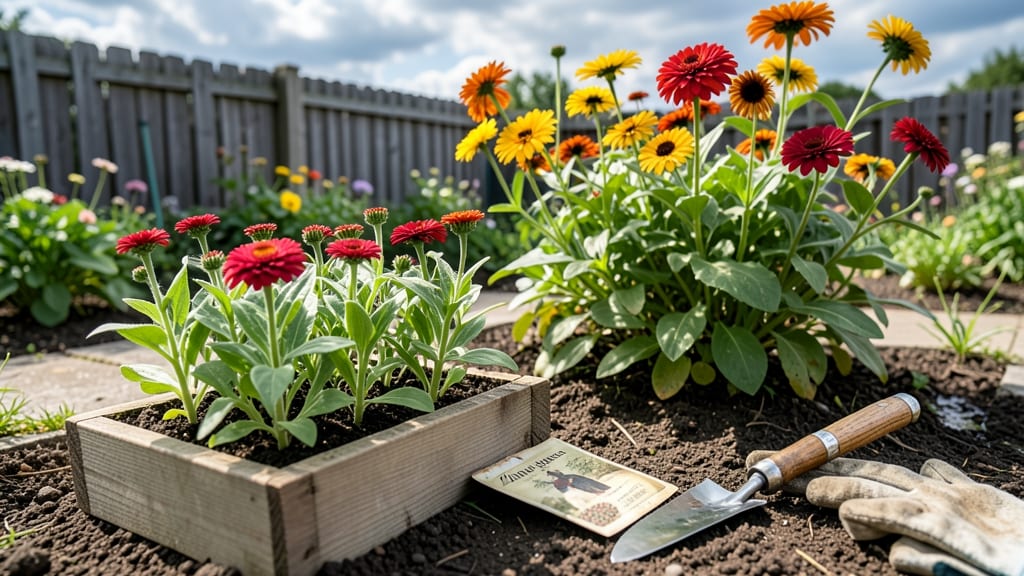
Growing zinnias from seed to bloom means vibrant color in your garden by late summer—no waiting months like with perennials. 🌻 I’ve grown zinnias for years, and the secret to their quick, reliable blooms is treating them like the fast growers they are: direct sow in warm soil, keep them moist but not soggy, and watch them explode with color in just 60 days.
The process is simpler than you’d think—no fancy soil mixes or complicated schedules. You’ll need a sunny spot, well-draining soil, and patience for about two months. Zinnias thrive in full sun and average soil, making them perfect for beginners or busy gardeners who want instant gratification.
By the time you’re deadheading spent blooms, you’ll have a nonstop parade of flowers in every color imaginable. The key is consistent care: water at the base, not overhead, and pinch back early growth to encourage bushier plants.
Most problems—like flopping stems or powdery mildew—come from overcrowding or too much moisture. Whether you’re filling a flowerbed, cutting bouquets, or attracting pollinators, zinnias deliver big rewards with minimal effort. Let’s get those seeds in the ground!
📚 In This Guide
- What you need
- Instructions
- Tips and common mistakes
- Wrapping up and next steps
What you need
- ● Zinnia seeds: Choose heirloom or hybrid varieties (e.g., Benary’s Giant, Profusion, or Crystal). Buy 50–100 seeds for a small garden or 200+ for a full border.
- ● Seed-starting mix: 1–2 quarts of sterile, well-draining potting soil (avoid garden soil—it’s too dense!).
- ● Containers: Seed trays or small pots (3–4 inches deep) for starting seeds indoors.
- ● Biodegradable seedling pots (2–3 inches) if transplanting.
- ● Grow lights or sunny windowsill: A fluorescent or LED grow light (12–16 hours/day) if starting indoors before last frost.
- ● Spray bottle: For gentle watering (avoid over-saturating seeds!).
- ● Plant labels: Small markers or sticks to track varieties.
- ○ Garden gloves: Optional but helpful for handling soil and seedlings.
- ● Trowel or small shovel: For transplanting seedlings outdoors.
- ● Mulch (straw or shredded leaves): 1–2 inches to retain moisture and suppress weeds.
- ● Sunlight: Full sun (6+ hours daily) for both seedlings and mature plants.
- ● Water: Consistent moisture (keep soil damp but not soggy).
- ● Patience: Zinnias sprout in 7–14 days and bloom in 60–70 days!
- ○ Deadheading shears (optional): Prune spent blooms to encourage more flowers.
How to grow zinnias from seed to full bloom
Here’s how I get zinnias from seed to vibrant blooms in just 60 days—no fussy techniques, just reliable results.
🌱 Step 1: Start Seeds Indoors for Early Blooms
Zinnias thrive when started indoors 4-6 weeks before your last frost date. Fill small seed-starting trays with sterile seed-starting mix (not garden soil) and moisten it until damp but not soggy. Press the mix down lightly to remove air pockets—this ensures even moisture and better root contact.
Sow 2-3 seeds per cell at a depth of ¼ inch, just barely covering them. I use a toothpick to make small divots for each seed—this prevents over-deep planting, which can delay germination. Gently pat the soil around the seeds to secure them without compacting. Place the trays in a warm spot (70-75°F), like on top of a refrigerator, to encourage quick sprouting.
💧 Step 2: Provide Light and Prevent Leggy Seedlings
Once seeds sprout (5-10 days), move them under grow lights immediately. Zinnias need 14-16 hours of light daily to prevent leggy, weak stems. Position the lights 2-3 inches above the seedlings and raise them gradually as the plants grow. You’ll know the light is right when seedlings grow compact and sturdy, with leaves spaced closely together.
Water from the bottom by placing trays in a shallow dish of water for 10-15 minutes. This keeps the soil evenly moist without disturbing the delicate seedlings. Avoid overhead watering—it can spread disease and wash away soil, exposing roots. Thin seedlings to one per cell once they have 2 true leaves, using scissors to snip at soil level.
☀️ Step 3: Harden Off and Transplant Outdoors
Two weeks before your last frost, begin hardening off seedlings by placing them outside in a sheltered, shaded spot for 1-2 hours the first day. Gradually increase their outdoor time over 7-10 days, exposing them to full sun and wind by the final day. This toughens their stems and leaves, preventing shock when transplanted.
Choose a sunny location with 6+ hours of direct sun daily—zinnias won’t bloom well in shade. Transplant seedlings 12-18 inches apart in well-draining soil. Dig holes slightly deeper than the root ball to encourage strong root growth. Water deeply at transplanting to settle the soil and remove air pockets around the roots. Mulch with 1-2 inches of organic mulch to retain moisture and suppress weeds.
✂️ Step 4: Deadhead and Maintain for Continuous Blooms
Zinnias bloom fastest when spent flowers are removed promptly. Use clean fingers or small pruners to pinch off faded blooms right at the base of the stem. This redirects the plant’s energy to producing new buds instead of setting seed. I deadhead every 2-3 days during peak bloom—it’s a quick habit that keeps flowers coming nonstop.
Water deeply 1-2 times per week, aiming for 1 inch of water per week. Let the top 1-2 inches of soil dry out between waterings to prevent root rot. Fertilize lightly with a balanced, water-soluble fertilizer every 4-6 weeks during the growing season. Avoid high-nitrogen fertilizers—they promote leafy growth at the expense of flowers.
🌿 Step 5: Extend the Season with Simple Care
To keep zinnias blooming until frost, watch for powdery mildew on leaves—a common issue in humid climates. Improve airflow by spacing plants 18 inches apart and watering early in the day so foliage dries quickly. If mildew appears, spray leaves with a baking soda solution (1 teaspoon baking soda + 1 quart water + a drop of dish soap) every 7-10 days until it clears.
As temperatures drop below 50°F, zinnias slow their growth but can still produce blooms. Cut back plants by one-third in early fall to encourage a fresh flush of growth. Bring potted zinnias indoors before frost, placing them in a bright, cool spot (like a sunroom) where they’ll continue blooming until winter. With this care, you’ll enjoy zinnias from early summer to first frost.
Tips & tricks for perfect zinnia growth
Common pitfalls—and how to sidestep every one—when growing zinnias from seed to showstopping blooms.
Germination Strategy: Don't rush the ¼-inch depth when sowing seeds—this is crucial for consistent germination. I've found that using a toothpick to create precise divots for each seed prevents over-deep planting, which can delay sprouting by days. For faster results, place your seed trays in a warm spot like on top of a refrigerator (maintaining 70-75°F) rather than relying on room temperature. This warmth triggers germination in as little as 5-7 days instead of the full 10 days range.
Lighting Technique: The 14-16 hours of light daily requirement is non-negotiable for preventing leggy seedlings. I recommend using a timer for your grow lights to automate this critical window. Position the lights 2-3 inches above seedlings initially, then raise them weekly to maintain this distance. Watch for compact, sturdy growth—if seedlings stretch toward the light, they're not getting enough intensity.
Transplanting Hack: When transplanting outdoors, dig holes slightly deeper than the root ball to encourage strong root growth. This subtle adjustment prevents transplant shock and helps establish plants more quickly. I also recommend watering deeply at transplanting to settle soil around roots—this eliminates air pockets that can strangle new growth. The 12-18 inch spacing ensures adequate airflow, which is particularly important in humid climates.
Season Extension: For fall blooms, cut back plants by one-third when temperatures drop below 50°F. This pruning stimulates new growth that can often bloom until first frost. When bringing potted zinnias indoors before frost, place them in a bright, cool spot (like a sunroom) with 6+ hours of light daily—they'll continue producing blooms throughout winter with minimal care.
Pro Tips for Zinnias From Seed To Bloom
- Common pitfalls—and how to sidestep every one—when growing zinnias from seed to showstopping blooms.
- Germination Strategy: Don't rush the ¼-inch depth when sowing seeds—this is crucial for consistent germination. I've ...
- Lighting Technique: The 14-16 hours of light daily requirement is non-negotiable for preventing leggy seedlings. I re...
Frequently asked questions
Got questions about growing zinnias from seed to bloom? You’re not alone! Here are some of the most common concerns—and their straightforward solutions—to help you cultivate stunning flowers with confidence.
How long does it take for zinnia seeds to germinate?
Zinnia seeds typically sprout in 5–10 days after planting, provided they’re kept in warm soil (at least 60°F/15°C) and moist but not soggy. For faster results, soak seeds in warm water for 24 hours before planting. Patience is key—some varieties (like Benary’s Giant) may take slightly longer.
Can I plant zinnia seeds directly in the garden, or should I start indoors?
Direct sowing is easiest for zinnias! Plant seeds ¼-inch deep in well-draining soil after the last frost when nighttime temps stay above 50°F/10°C. Starting indoors is optional but useful if your growing season is short—just transplant seedlings when they’re 2–3 inches tall and hardened off. Avoid overcrowding!
Why aren’t my zinnia seedlings growing? Troubleshooting common issues.
If your seedlings stall, check for these culprits:
- Leggy or weak stems: Lack of light! Move seedlings to a sunnier spot or use grow lights.
- Yellow leaves: Overwatering or poor drainage. Let soil dry slightly between waterings.
- No sprouts after 2 weeks: Seeds may need warmth or moisture. Try pressing them gently into soil to ensure contact.
Pro tip: Thin seedlings to 12–18 inches apart once they’re 2–3 inches tall to prevent competition.
Are zinnias annuals or perennials?
Zinnias are annuals in most climates, meaning they complete their life cycle in one growing season. However, in USDA Zones 9–11, they may self-seed and return the following year. Save seeds from your healthiest blooms for next season’s garden—just let a few flowers go to seed before harvesting!
How do I encourage bigger, showier zinnia blooms?
For bigger, bolder blooms, focus on these tricks:
- Deadhead spent flowers regularly to redirect energy to new blooms.
- Fertilize lightly with a balanced 10-10-10 formula when seedlings are 4–6 inches tall.
- Choose dwarf varieties (like Thumbelina) for compact, bushy plants or tall types (like State Fair) for dramatic height.
Bonus: Zinnias thrive in heat—water at the base in the morning to avoid fungal issues.
Wrapping up and next steps
Growing zinnias from seed to bloom is a rewarding journey that brings bursts of color to your garden in just 60 days! With the right soil, sunlight, and care, these cheerful flowers prove that big results come from small seeds.
Whether you’re a beginner or a seasoned gardener, the key is patience, consistency, and a little love—your future blooms will thank you!
Ready to turn your garden into a zinnia paradise? Start with a few seeds today—your first batch of vibrant blooms could be just weeks away! 🌸