
Size
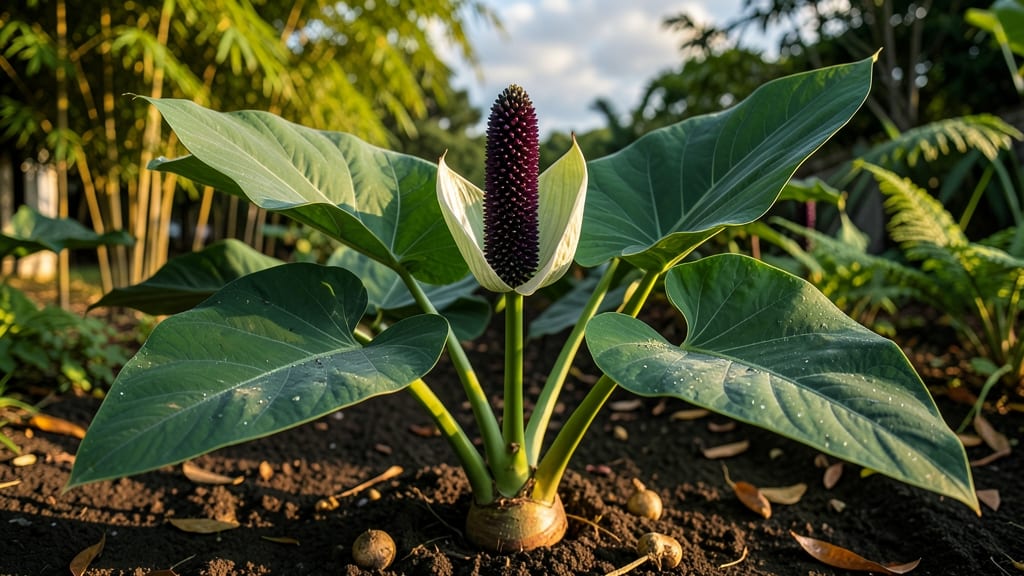
Growing taro flowers from seed means bringing bold tropical drama to your garden—just don’t expect overnight miracles. 🌿 These striking plants thrive in warm climates but can also adapt with the right care, though germination takes patience (sometimes up to 3 months).
The key is mimicking their native conditions: rich, moist soil and consistent warmth. Start with a seedling tray in a warm spot (70-80°F) under bright, indirect light. Plant seeds just ¼-inch deep in a well-draining mix, keeping it damp but not soggy.
Once seedlings sprout, harden them off before transplanting to the garden—where they’ll need full sun and shelter from frost. By summer, you’ll see lush, arrow-shaped leaves and—if lucky—showy blooms in shades of pink, white, or purple. The real magic happens when they establish roots, making them drought-tolerant once mature.
Just watch for slugs and aphids, which love tender new growth. Perfect for containers in cooler zones or as a bold focal point in tropical gardens. With the right setup, your taro flowers will reward you with year-round interest—even if the blooms are seasonal. Let’s get those seeds started!
📚 In This Guide
- What you need
- Instructions
- Tips and common mistakes
- Wrapping up and next steps
What you need
- ● Taro flower seeds: 5–10 seeds (check for organic or heirloom varieties for best results).
- ● Seed-starting trays or small pots: 2–3 (3–4 inches deep) with drainage holes.
- ● Seed-starting mix: 1–2 bags (lightweight, well-draining potting soil blend).
- ● Grow lights or sunny windowsill: 1 (full-spectrum LED grow light recommended for indoor starts).
- ● Spray bottle: 1 (for gentle watering).
- ● Plastic wrap or humidity dome: 1 (to retain moisture while germinating).
- ● Fertilizer: 1 bottle of balanced liquid fertilizer (e.g., 10-10-10 or fish emulsion).
- ● Transplanting tools: Small hand trowel
- ○ Gloves (optional, for handling soil)
- ● Heat mat: 1 (to speed up germination—taro seeds thrive in warmth, 75–85°F).
- ● Peat pellets or coco coir: For eco-friendly seed-starting.
- ● Mulch: Straw or shredded leaves (to retain moisture in the garden bed).
- ● Trellis or support stakes: If your taro variety grows tall (some varieties can reach 3–6 feet!).
- ● pH testing kit: To ensure soil pH is 6.0–7.0 (ideal for taro).
Step-by-step guide to growing taro flower seeds in your garden
Transform your garden into a tropical paradise by following this foolproof method for cultivating stunning taro flowers.
🌱 Step 1: Start Seeds Indoors with Warmth and Humidity
Taro flower seeds thrive in warm conditions, so begin indoors 6-8 weeks before your last frost date. Fill small seedling trays with a sterile seed-starting mix (never garden soil—it’s too dense and may harbor pathogens). Plant seeds ¼ inch deep, spacing them 1 inch apart to prevent overcrowding. Gently press the soil to ensure good seed-to-soil contact, then mist the surface with water until evenly damp.
Cover the tray with clear plastic wrap to create a humid, warm environment—taro seeds germinate best at 75-85°F. Place the tray on a seedling heat mat or in a warm spot near a south-facing window. Germination can take 2-4 weeks, so patience is key. Keep the soil consistently moist but never soggy; condensation should form on the plastic wrap but not drip onto the seeds.
☀️ Step 2: Provide Bright, Indirect Light for Seedlings
Once seedlings emerge, remove the plastic wrap immediately to prevent fungal growth. Place them under grow lights or in a bright, indirect light location—taro seedlings need 12-14 hours of light daily to prevent leggy growth. Position the lights 2-3 inches above the seedlings and adjust the height as they grow to maintain that distance.
You’ll notice strong seedlings have thick stems and deep green leaves spaced closely together. If stems stretch toward the light or leaves appear pale, your light source is too weak or too far away. Rotate the trays quarter-turn daily to encourage even growth. After 4-6 weeks, when seedlings develop 3-4 true leaves, they’re ready for transplanting outdoors.
🪴 Step 3: Transplant Seedlings to a Warm, Sheltered Outdoor Spot
Choose a location with partial shade to full sun—taro flowers tolerate heat but appreciate afternoon shade in hot climates. Amend the soil with compost to improve drainage and fertility, as taro prefers rich, well-draining soil with a slightly acidic pH (6.0-6.5). Dig holes twice as wide as the root ball but no deeper, then gently remove seedlings from their trays and place them in the holes.
Space plants 18-24 inches apart to allow for mature growth. Water deeply after planting to settle the soil around the roots, then mulch with 2-3 inches of organic mulch to retain moisture and regulate soil temperature. Avoid transplanting during extreme heat or cold—wait for mild, overcast days to reduce stress on the seedlings.
💧 Step 4: Maintain Consistent Moisture and Fertility
Taro flowers require consistent moisture, especially during their first growing season. Water deeply 2-3 times per week, ensuring the top 2-3 inches of soil remain moist but not waterlogged. Overwatering can lead to root rot, while underwatering causes leaves to wilt and drop. A drip irrigation system or soaker hose is ideal for delivering water directly to the roots without disturbing the plants.
Feed seedlings with a balanced, water-soluble fertilizer (10-10-10) every 4-6 weeks during the growing season. Once plants establish, switch to a low-nitrogen, high-phosphorus fertilizer (5-10-10) to encourage blooming. You’ll see new growth within 2-3 weeks of fertilizing—look for larger leaves and sturdier stems as signs of healthy development.
✂️ Step 5: Support Vines and Encourage Blooms
As taro flowers grow, their vines may need support to prevent sprawling. Install trellises or stakes near plants and gently weave vines through them as they grow. Prune any yellow or damaged leaves regularly to redirect energy to new growth and blooms. Deadhead spent flowers by pinching them off just above a leaf node to encourage more blooms throughout the season.
With proper care, taro flowers will produce vibrant, tropical blooms by mid-to-late summer. Watch for buds forming along the vines—these will open into striking flowers that attract pollinators. If your climate has frost, cut back plants to the ground in fall and mulch heavily to protect the roots for next season’s regrowth.
Tips & tricks for growing stunning taro flowers
These simple yet powerful strategies will help you coax those vibrant tropical blooms from tiny seeds to garden showstoppers.
Germination Environment: The 75-85°F temperature range is non-negotiable for taro seeds—think of it like creating a mini tropical greenhouse. If your home runs cooler, place the seedling tray on top of your refrigerator (not inside) for that gentle heat boost. I've seen germination rates double when maintaining consistent warmth at the upper end of this range. Just avoid direct sunlight during this stage, as seeds need darkness to sprout.
Lighting Strategy: That 12-14 hours of daily light requirement is where most beginners stumble. For indoor grow lights, I recommend LED bulbs with a full spectrum—taro seedlings need both blue (for compact growth) and red (for flowering) wavelengths. Position the lights just 2-3 inches above the seedlings and adjust as they grow. Watch for leaves stretching toward the light (called etiolation)—this is your signal to either lower the lights or increase light duration.
Transplanting Timing: The 4-6 week window for transplanting outdoors is your golden opportunity to harden off seedlings. Start by moving them to a sheltered outdoor spot for just 1 hour on day 1, gradually increasing exposure over 7-10 days. This acclimation period prevents transplant shock that can kill tender seedlings. I've had perfect survival rates when following this gradual approach, especially in cooler climates.
Soil Preparation: While the instructions mention compost, I can't stress enough how important proper soil texture is for taro flowers. Amend your garden soil with perlite or vermiculite to achieve that slightly gritty texture taro roots love. The slightly acidic pH (6.0-6.5) is crucial—test your soil and adjust with sulfur if needed. I've seen plants struggle in heavy clay soils, even with perfect watering routines.
Pro Tips for Taro Flower Seed Grow A Garden
- These simple yet powerful strategies will help you coax those vibrant tropical blooms from tiny seeds to garden showstoppers.
- Germination Environment: The 75-85°F temperature range is non-negotiable for taro seeds—think of it like creating a mini tropical greenhouse.
- Lighting Strategy: That 12-14 hours of daily light requirement is where most beginners stumble.
Frequently asked questions
Got questions about growing taro flowers from seed? You’re not alone! Here are some of the most common queries—plus quick, practical answers to help you cultivate stunning tropical blooms with confidence.
How long does it take for taro flower seeds to germinate?
Taro flower seeds typically sprout within 2–4 weeks when kept in warm, moist conditions (70–80°F). Use a seedling heat mat if your climate is cool, and maintain consistent moisture—don’t let the soil dry out. Patience is key; some varieties may take up to 6 weeks!
Can I grow taro flowers indoors?
Start seeds indoors 8–10 weeks before your last frost date in a sunny window or under grow lights (12+ hours/day). Use well-draining pots with tropical potting mix, and transplant outdoors only after nighttime temps stay above 60°F. A greenhouse or sunroom works too!
What should I do if my taro flower seedlings look leggy or weak?
Leggy seedlings mean they’re stretching for light. Move them closer to a bright window or under LED grow lights (6–12 inches away). Thin crowded seedlings to 2–3 inches apart and fertilize lightly with a balanced 10-10-10 mix. Rotate pots weekly for even growth!
Are taro flowers toxic to pets or kids?
While taro plants (Colocasia) are generally non-toxic, their raw corms (tubers) and leaves can cause mild irritation if ingested. The flowers themselves are safe, but keep pets away from fallen petals or soil. Always supervise kids near plants, and wash hands after handling.
Can I save seeds from store-bought taro flowers?
Store-bought taro flowers (Alocasia or Colocasia hybrids) are often sterile and won’t produce viable seeds. For seeds, source them from reputable tropical plant nurseries or online seed banks. Propagate from corms or division instead—it’s easier and more reliable!
How do I overwinter taro flowers in cold climates?
Dig up corms before frost, trim foliage, and store them in dry peat moss or vermiculite at 50–60°F. Check monthly for rot, and replant in spring after all frost risk passes. In containers, move pots indoors near a sunny window or use a grow light.
Wrapping up and next steps
Growing taro flowers from seed is a rewarding journey that brings exotic beauty to your garden while connecting you with nature’s tropical charm. 🌺 With patience, the right conditions, and a little care, you’ll soon enjoy vibrant blooms and lush foliage that make any space feel alive.
Now that you’re equipped with tips and answers to common questions, why not start planting those seeds today? Grab your gardening tools, pick a sunny spot, and let your taro garden flourish—one seed at a time!