Lawn
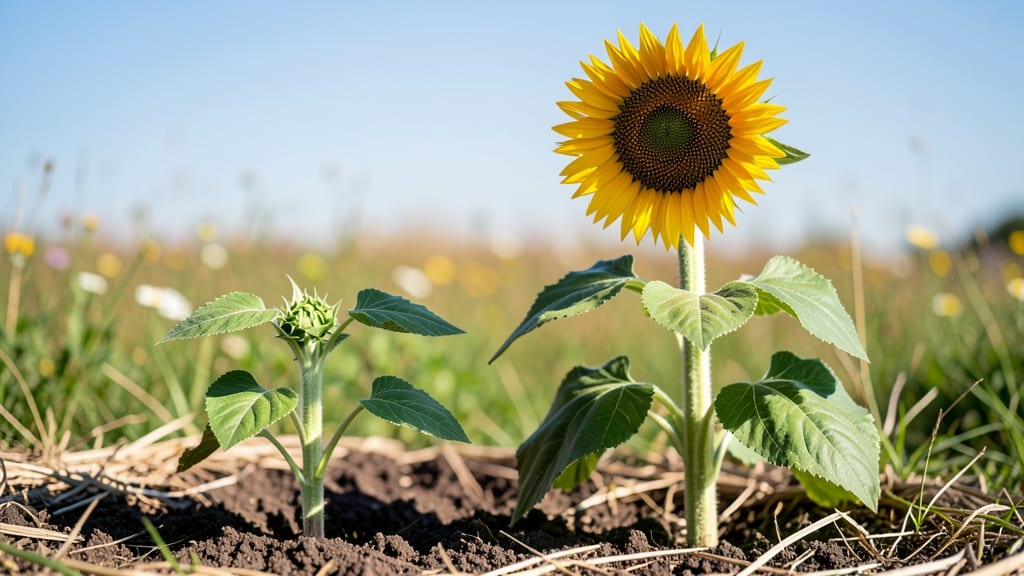
Growing sunflower seed growth from scratch is simpler than you think—especially when you avoid the common mistakes that twist your harvest into frustration. 🌻 I’ve planted thousands over the years, and the secret to strong, straight sprouts lies in the soil, spacing, and a little patience.
Most people rush the process, but taking just a few extra steps at the start means fewer leggy seedlings and more vibrant blooms by summer.
The key is starting with loose, well-draining soil and planting seeds just ½ inch deep—no deeper, or they’ll rot. Space them 6–12 inches apart (depending on the variety) so they have room to grow without competing for sunlight.
Water gently after planting, keeping the soil moist but not soggy, and place them in a spot where they’ll get full sun for at least 6–8 hours a day. Germination usually happens within 7–14 days, so don’t give up if nothing appears right away.
Once those first green shoots break through the soil, you’ll see why the effort pays off—bold, sturdy stems that reach toward the sky. With the right care, you’ll have towering sunflowers by mid-summer, their bright faces turning toward the sun.
The best part? You can harvest seeds from these same plants next year, creating a cycle of growth that keeps giving.
This method works for any sunflower variety, from dwarf types to giants, and even in containers if you adjust spacing. Whether you’re growing for beauty, birdseed, or just the joy of watching them grow, these steps ensure your sunflowers thrive—no twists or turns included.
📚 In This Guide
- What you need
- Instructions
- Tips and common mistakes
- Wrapping up and next steps
What you need
- ● Sunflower seeds: Choose heirloom or organic varieties (e.g., Russian Mammoth or Peredovik) for best results. Buy 1–2 pounds (450–900g) to ensure a steady harvest.
- ● Growing medium: Sprouting jar or container: A wide-mouth mason jar (16–32 oz) with a mesh lid or a sprouting lid with a drainer (e.g., Sproutpeople Sprouter).
- ● Alternative: A clean, breathable cloth (muslin or cheesecloth) and a rubber band to secure it over a bowl.
- ● Water: Room-temperature, filtered water (avoid chlorinated water—let it sit out for 24 hours if tap water is used).
- ○ Optional light source: A grow light (LED or fluorescent) for indoor setups (12–16 hours/day after sprouting).
- ● Colander or fine-mesh strainer for rinsing seeds.
- ● Small bowl or plate for draining excess water.
- ● Timer or alarm to remind you to rinse seeds 2–3 times daily.
- ● Scissors or knife (for trimming sprouts if desired).
- ○ pH strips (optional) to test water acidity (ideal pH: 6.0–7.0).
- ○ Humidity tray (optional) for maintaining moisture in dry climates.
- ● A cool, dark space (65–75°F / 18–24°C) for the first 2–3 days (e.g., pantry or closet).
- ● Access to natural sunlight or a grow light after sprouts emerge (4–5 days).
- ● Patience! Sunflower sprouts take 7–10 days to reach harvestable size.
Step-by-step instructions for growing sunflowers from seeds
Ready to grow sunflowers? Here's my foolproof method for strong, twist-free stalks that produce viable seeds.
🌱 Step 1: Choose the Right Seeds and Prepare the Soil
Start with large, plump sunflower seeds—small or shriveled ones won't sprout well. I like to soak them overnight in lukewarm water to soften the outer shell and speed up germination. This isn't mandatory, but it gives you a head start, especially in cooler climates.
Sunflowers need well-draining soil with plenty of organic matter. Mix 2 inches of compost into the top 6 inches of soil to ensure nutrients are available as they grow. Test your soil's drainage by digging a 6-inch hole, filling it with water, and checking if it drains within an hour. If water pools, amend with sand or perlite.
☀️ Step 2: Plant Seeds at the Right Depth and Spacing
Sunflower seeds need 1-2 inches of depth—any shallower risks drying out, while deeper planting slows germination. Drop 2-3 seeds per hole (you'll thin later) and space them 6 inches apart in rows 18-24 inches apart. This spacing prevents overcrowding and ensures each plant gets enough sunlight and nutrients.
If you're planting in containers, use pots at least 12 inches deep and wide—sunflowers have deep taproots. Press the soil gently around the seeds to remove air pockets but don't compact it. Water lightly after planting to settle the soil, but avoid soaking it, which can wash seeds deeper than intended.
💧 Step 3: Water Consistently and Monitor for Germination
Keep the soil evenly moist but not soggy until germination, which typically takes 7-14 days depending on temperature. You'll know it's time to water again when the top inch of soil feels dry. Use a watering can with a gentle spray nozzle to avoid disturbing the seeds.
Once seedlings emerge, thin to the strongest plant per hole when they reach 2-3 inches tall. Snip the weaker stems at the base with clean scissors—don't pull them, or you'll disturb the roots of the remaining plant. This step is crucial for preventing competition and ensuring healthy growth.
✂️ Step 4: Support Growth and Prevent Twisting
Sunflowers grow tall and top-heavy, so I stake them early to prevent twisting or snapping. Insert a 3-foot stake next to each plant when they're 12 inches tall, then loosely tie the stem to it with soft plant ties or strips of fabric. Avoid tight ties—they can damage the stem as it thickens.
Rotate the pot or container a quarter turn every few days if growing indoors to ensure even light exposure. Outdoors, sunflowers naturally follow the sun, but this helps prevent them from leaning too far in one direction. Watch for yellowing leaves, which can signal overwatering or nutrient deficiency—adjust care accordingly.
🌿 Step 5: Harvest Seeds When Mature
Sunflower seeds are ready to harvest when the back of the flower head turns yellow and the petals drop off. The head will feel dry and papery to the touch. Cut the head off with 6 inches of stem attached and hang it upside down in a dry, well-ventilated area for 2-3 weeks to fully dry.
Once the seeds rattle inside the head, rub them between your hands to remove them. Store the seeds in a cool, dry place in a sealed container for up to 2 years. If you're saving seeds for planting, ensure they're fully mature—immature seeds won't sprout well. This method guarantees viable sprouts year after year.
Tips & tricks for perfect sunflower seed growth
Here's what nobody tells you about growing sunflowers that actually makes the difference between floppy stalks and sturdy, twist-free giants.
Seed Selection: Don't just grab any seeds—look for ones that are firm and heavy in your hand. I learned this the hard way after planting shriveled seeds that never sprouted. For extra insurance, soak them overnight in lukewarm water before planting, especially if your climate is cool. This softens the outer shell and speeds up germination by breaking dormancy. Just remember to rinse and plant them immediately after soaking.
Soil Prep Secret: The 6-inch deep compost mix isn't just about nutrients—it's about creating the perfect drainage. I've seen sunflowers drown in heavy clay soil even when watered normally. That drainage test with the 6-inch hole is critical: if water pools, you'll need to amend with sand or perlite. This prevents root rot which can kill seedlings before they even reach staking height.
Thinning Technique: When you're thinning those 2-3 inch tall seedlings, don't pull—snip! I used to yank the weaker plants and end up disturbing the roots of the survivors. Clean scissors at the base prevent this. Also, make sure to thin to only the strongest plant per hole—crowding leads to weak, twisted stalks later. This is where most people's sunflowers go wrong.
Staking Strategy: That 3-foot stake isn't just for show—insert it when plants are just 12 inches tall, before they get top-heavy. I've seen sunflowers snap in half when they reach 5 feet because they weren't staked early enough. Use soft plant ties or even old fabric strips—they'll stretch as the stem thickens. And here's the pro move: rotate your container-grown plants a quarter turn every few days to prevent leaning.
Pro Tips for Sunflower Seed Growth
- Here's what nobody tells you about growing sunflowers that actually makes the difference between floppy stalks and sturdy, twist-free giants.
- Seed Selection: Don't just grab any seeds—look for ones that are firm and heavy in your hand.
- Soil Prep Secret: The 6-inch deep compost mix isn't just about nutrients—it's about creating the perfect drainage.
Frequently asked questions
Got questions about growing sunflower seeds for viable sprouts? You’re not alone! Here are some of the most common concerns—plus straightforward answers to help you troubleshoot and succeed.
How long does it take for sunflower seeds to sprout?
Most sunflower seeds sprout within 5 to 14 days when kept in warm, moist conditions (70–75°F). If you’re using raw seeds, pre-soaking for 8–12 hours speeds up germination. Patience is key—some varieties may take a little longer, especially in cooler climates.
Can I grow sunflower sprouts indoors year-round?
Sunflower sprouts thrive indoors with 12–16 hours of grow lights (or a sunny windowsill) and consistent warmth. Use a sprouting jar or tray, and maintain humidity with a damp cloth. Just avoid direct heat sources like radiators, which can dry them out.
Why are my sunflower seeds moldy or smelly?
Mold or odors usually mean too much moisture or poor airflow. Rinse seeds 2–3 times daily and drain excess water after soaking. Use a well-ventilated sprouting lid or cheesecloth to prevent bacterial growth. If you notice slimy residue, discard the batch immediately.
Are there any alternatives to raw sunflower seeds for sprouting?
Yes! Try store-bought sunflower seeds labeled for sprouting (unsalted, unroasted), or opt for heirloom varieties like ‘Russian Mammoth’ for larger sprouts. Avoid seeds treated with pesticides—organic or non-GMO seeds work best for safe, edible growth.
What’s the ideal temperature for sunflower seed growth?
Sunflower seeds germinate best in 65–85°F ranges. If your home is cooler, place the sprouting jar near a warm spot (but avoid direct sunlight, which can overheat). For faster growth, use a seedling heat mat (set to 70°F). Too cold? Try a seedling greenhouse to maintain warmth.
Still stuck? Drop your question in the comments—we’re happy to help you grow like a pro!
Wrapping up and next steps
Growing sunflower seeds for viable sprouts is a rewarding journey—whether you're a gardening enthusiast or a beginner eager to experiment! 🌱 With the right materials, a little patience, and a twist-free approach, you can enjoy fresh, nutrient-packed sprouts year-round.
The key lies in consistency, proper hydration, and protecting those delicate seeds from damage.
Now that you’re equipped with the know-how, it’s time to put those seeds to work! Start small with a few batches, refine your technique, and soon you’ll be harvesting crisp, flavorful sprouts like a pro. Happy growing—your future harvests are waiting! 🌻✨