Lawn
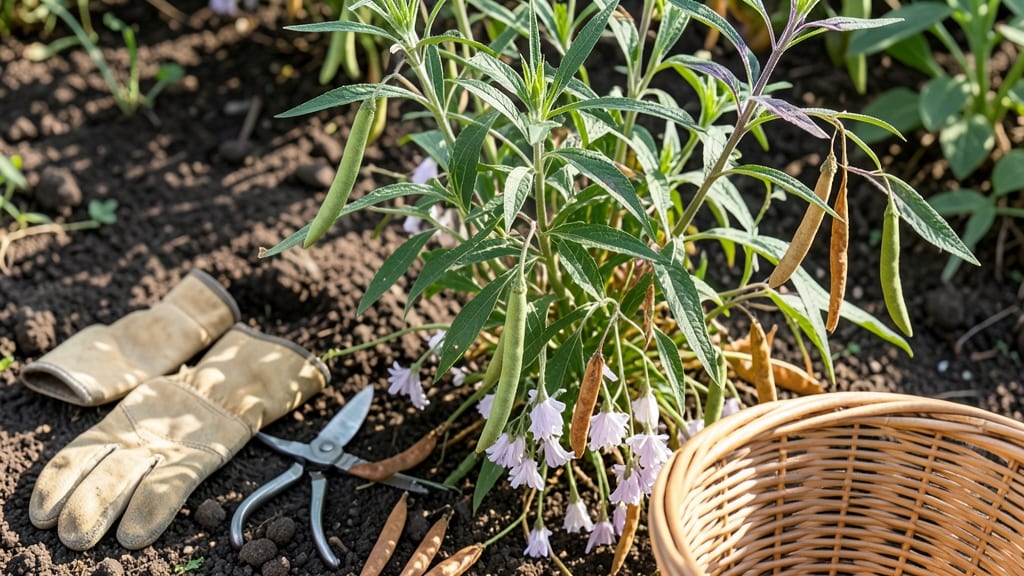
Growing sesame seed pods from scratch means golden harvests even in dry summers. 🌿 I planted my first batch last June, and by September, I was snapping pods for fresh sesame oil—no store-bought seeds needed. The key? Mimicking sesame's native tropical heat and drought tolerance right in your backyard.
Sesame thrives in well-draining soil with full sun (6+ hours daily) and surprisingly little water—overwatering kills it faster than drought. Start seeds indoors 8-10 weeks before last frost, or direct-sow in warm soil (70°F+).
The plants grow fast, reaching 3-5 feet tall in 60-70 days, with those prized pods forming at the tips.
By harvest time, you'll have clusters of delicate, papery pods that split open when ripe, revealing the seeds inside. The flavor? Rich, nutty, and impossible to resist—perfect for homemade tahini or sprinkling on dishes. Just avoid wet harvests (pods rot quickly) and store dried seeds in airtight containers.
Works in zones 5-11, even in containers for small spaces. Ready to grow your own? Here's how to get started without the guesswork.
📚 In This Guide
- What you need
- Instructions
- Tips and common mistakes
- Wrapping up and next steps
What you need
- ● Sesame seeds: 1–2 lbs (organic, non-GMO preferred for best results). Look for varieties like Beniseed or Tift-10 for reliable pods.
- ● Seedling trays or small pots: 2–4 (biodegradable or 4-inch pots work great).
- ● Potting mix: 2–3 gallons (lightweight, well-draining mix with perlite or vermiculite).
- ● Grow lights or sunny windowsill: For seedlings (12–16 hours of light/day).
- ● Spray bottle: For gentle watering of seedlings.
- ● Garden soil: 1–2 cubic feet (fertile, well-draining, with compost added).
- ● Watering can or hose: With a fine mist nozzle.
- ○ Stakes or trellis (optional but helpful): 1–2 (for taller varieties, 3–4 ft high).
- ● Temperature: Sesame thrives in warmth—ideal soil temps are 70–90°F (21–32°C). Use a heat mat if starting indoors early.
- ● Sunlight: Full sun (6+ hours/day) is a must for healthy pods.
- ● Space: 12–18 inches between plants (or rows for larger gardens).
- ● pH Level: Slightly acidic to neutral soil (6.0–7.0). Test your soil if unsure!
- ● 🌱 Soak seeds overnight before planting to speed up germination.
- ● ✂️ Prune lower leaves when seedlings are 2–3 inches tall to encourage upward growth.
- ● 💧 Avoid overwatering—sesame is drought-tolerant once established!
Step-by-step instructions for growing sesame seed pods from seed
Here's how to cultivate thriving sesame plants with full, seed-filled pods—no greenhouse needed.
🌱 Step 1: Start Seeds Indoors 8-10 Weeks Before Last Frost
Fill small seedling pots with sterile seed-starting mix and press it down lightly. Sesame seeds germinate best at 75-80°F, so place pots on a seedling heat mat. Plant 2-3 seeds per pot at a depth of ¼ inch—they need light to germinate, so don't bury them too deep.
Cover the pots with clear plastic wrap to retain moisture and warmth. Check daily for condensation on the plastic—this means the soil stays evenly damp. Within 5-10 days, you'll see tiny green sprouts pushing through the soil. Remove the plastic immediately after germination to prevent fungal growth.
☀️ Step 2: Provide Warmth and Bright Light for Seedlings
Sesame seedlings need 14-16 hours of light daily from the moment they sprout. Place them under a grow light within 2-3 inches of the plants. Without enough light, seedlings will grow leggy and weak—watch for stems stretching toward the light with pale leaves.
Keep the soil warm by maintaining 70-75°F temperatures. If your home runs cooler, use a small space heater near the seedlings. After 3-4 weeks, when seedlings have 2-3 true leaves, transplant them into individual 4-inch pots with fresh potting mix.
🪴 Step 3: Harden Off and Transplant After All Frost Risk
Two weeks before your last frost date, start hardening off seedlings by placing them outside in a sheltered spot for 1-2 hours daily. Gradually increase their outdoor time over 7-10 days, ending with full sun exposure. Sesame plants thrive in full sun and warm soil, so wait until the soil temperature reaches 65°F before transplanting.
Choose a sunny location with well-draining soil. Space plants 12-18 inches apart in rows 18 inches apart. Dig holes slightly deeper than the root ball and water deeply after transplanting. Mulch around plants with 1-2 inches of straw to retain moisture and regulate soil temperature.
💧 Step 4: Maintain Consistent Moisture and Fertility
Sesame plants prefer moderate moisture—water when the top 1-2 inches of soil feel dry. Avoid overhead watering to prevent fungal diseases. After 4-6 weeks, when plants reach 12-18 inches tall, side-dress with balanced fertilizer (10-10-10) to encourage flowering.
Watch for yellowing leaves, which signal overwatering or nutrient deficiencies. Sesame plants are drought-tolerant once established, but consistent moisture during flowering ensures full seed pods. Thin plants if they become overcrowded, leaving the strongest stems to produce the most pods.
⏰ Step 5: Harvest Mature Pods for Maximum Yield
Sesame pods mature 90-120 days after planting, depending on the variety. You'll know they're ready when pods turn brown and split open slightly. Harvest pods in the morning when moisture levels are lowest to prevent mold. Cut stems with scissors or pruners, leaving 2-3 inches of stem attached.
Spread harvested pods in a dry, well-ventilated area for 3-5 days to dry completely. Once fully dried, rub pods between your hands to release seeds. Store seeds in an airtight container in a cool, dark place for up to 1 year. For year-round harvests, replant seeds every 6-8 weeks in warm climates.
Tips & tricks for growing thriving sesame plants
A few simple tricks will help you grow healthy sesame plants that produce abundant seed pods with minimal fuss.
Seedling Heat Secret: The 75-80°F germination temperature is crucial—don't skip the heat mat! If you don't have one, place your pots on top of your refrigerator or near a sunny window with a small space heater nearby. I've seen seeds fail to sprout when kept at room temperature (around 68°F), so maintain that warmth consistently.
Lighting Strategy: Those 14-16 hours of daily light are non-negotiable for strong seedlings. If natural light isn't sufficient, invest in a basic LED grow light—even a 12-inch one works. Position it just 2-3 inches above the plants and keep it on a timer. I've had leggy seedlings when I forgot to adjust the light height as they grew!
Transplanting Timing: The 65°F soil temperature check before transplanting is your safety net. Use a soil thermometer to verify—cold soil can shock delicate sesame roots. I've made the mistake of transplanting too early when soil was only 55°F, and the plants struggled for weeks to recover.
Harvesting Hack: When pods turn brown and split slightly (around 90-120 days), harvest in the morning when dew is lowest. Lay them on a clean towel in a single layer to dry—don't stack them, or you'll risk mold. I learned this after trying to dry a pile of pods and losing half to spoilage.
Pro Tips for Sesame Seed Pod
- A few simple tricks will help you grow healthy sesame plants that produce abundant seed pods with minimal fuss.
- Seedling Heat Secret: The 75-80°F germination temperature is crucial—don't skip the heat mat!
- Lighting Strategy: Those 14-16 hours of daily light are non-negotiable for strong seedlings.
Frequently asked questions
Got questions about growing sesame seed pods?
You’re not alone! Here are answers to the most common queries to help you cultivate a thriving harvest—whether you're a beginner or a seasoned gardener.
How long does it take for sesame seed pods to mature after planting?
Sesame seed pods typically mature in 70–90 days after sowing, depending on the variety and growing conditions. Warm climates (70–85°F) speed up growth, while cooler temperatures may extend the timeline. Monitor pods for color changes—green turning yellow or brown signals readiness for harvest!
Can I grow sesame seed pods indoors or in containers?
Yes! Sesame thrives in containers 12+ inches deep with well-draining soil. Place them in a sunny spot (6+ hours of light daily) or under grow lights. Just ensure pots are large enough—sesame plants grow 2–4 feet tall and need room to spread. Pro tip: Use a trellis if space is tight!
What’s the best way to harvest sesame seed pods?
Harvest pods when they’re dry and brown (usually 10–14 days after flowering). Gently twist or cut pods from the stem—don’t pull too hard to avoid damaging the plant. Spread pods on a tray to dry fully (1–2 weeks), then rub them to release seeds. Store seeds in an airtight container away from moisture.
What are some common pests or diseases affecting sesame seed pods?
Sesame is relatively pest-resistant, but watch for aphids, spider mites, or whiteflies. Treat infestations early with neem oil or insecticidal soap. Fungal issues (like powdery mildew) can occur in humid conditions—improve airflow and avoid overhead watering. Rotate crops yearly to prevent soil-borne diseases.
Are there alternatives to traditional sesame seed pods for cooking?
If sesame pods are hard to find, try:
- Toasted sesame seeds (store-bought or homemade from pods)
- Tahini (sesame paste, great for dressings or dips)
- Sunflower or pumpkin seeds (similar crunch, different flavor)
- Poppy or flaxseeds (nutrient-rich alternatives for baking)
Wrapping up and next steps
Growing your own sesame seed pods is a rewarding journey that brings flavor, nutrition, and beauty to your garden—no matter the season! 🌱 From selecting the right seeds to nurturing them with care, you now have all the tools to cultivate a thriving harvest.
Whether you're drawn to their nutritional benefits or the joy of watching them flourish, every pod you grow is a step toward self-sufficiency and sustainability.
Ready to dive in? Start small—plant a few seeds in a pot or patch this weekend—and watch your garden transform! For those eager to expand, explore companion planting with herbs like basil or cilantro to boost growth. Happy gardening, and may your sesame pods be plentiful! 🌟