
Lawn
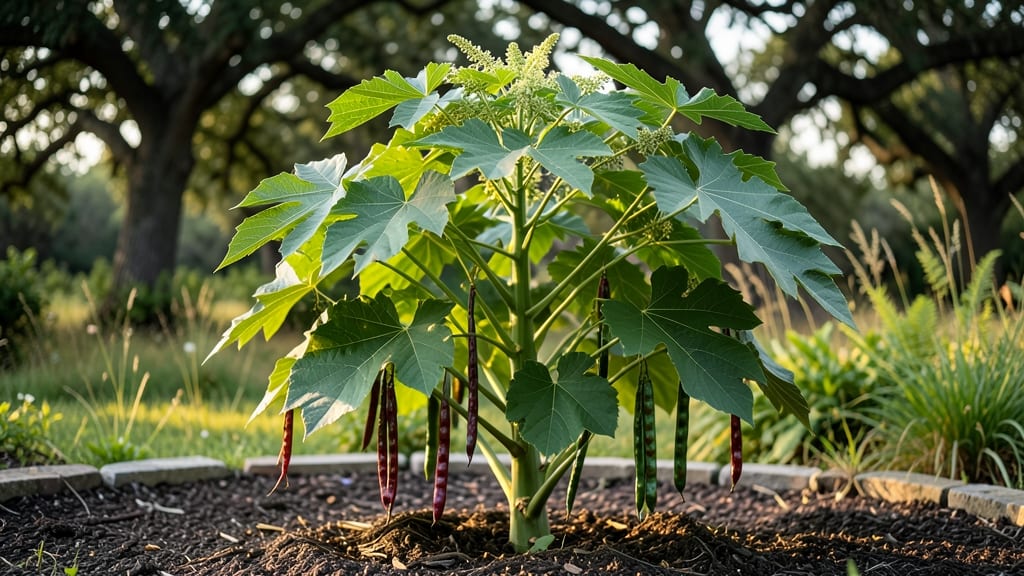
Growing castor bean seeds might seem risky because of their toxicity—but they’re actually a hardy, fast-growing ornamental and industrial powerhouse. 🌱 I’ve grown them for years, and their striking red seed pods add drama to any landscape while producing oil used in everything from biodiesel to cosmetics.
These tropical plants thrive in warm climates (zones 9-11) but can be grown as annuals in cooler areas. They demand full sun, well-draining soil, and plenty of space—each plant can reach 10 feet tall with proper care.
The key is balancing their aggressive growth with safety: keep seeds away from children and pets, as they contain ricin, a deadly toxin. Once established, castor beans need minimal maintenance—water deeply once a week and fertilize lightly every month. Prune only to control size, as they’re naturally self-cleaning.
The real payoff? Those bold, spiky seed pods turn vibrant red in fall, making them a standout in gardens and even potential cash crops for oil extraction. For those in cooler climates, start seeds indoors 8-10 weeks before last frost or wait until soil warms to 70°F.
With the right precautions, castor beans can be both a spectacular garden statement and a practical addition to your homestead.
📚 In This Guide
- What you need
- Instructions
- Tips and common mistakes
- Wrapping up and next steps
What you need
- ● Castor bean seeds: 5–10 seeds (organic, untreated preferred). ⚠️ Warning: Extremely toxic if ingested—handle with gloves!
- ● Well-draining soil: 1–2 gallons of potting mix or garden soil (amended with compost for nutrients). pH 6.0–7.5 is ideal.
- ● Containers or garden plot: Containers: 5–6" deep pots (1 per seedling) with drainage holes.
- ● Garden bed: Full sun (6+ hours/day) and space 3–5 feet apart for mature plants.
- ● Watering can or hose: With a gentle spray nozzle for seedlings.
- ○ Fertilizer (optional): Balanced 10-10-10 or slow-release granules (follow package rates).
- ● Garden gloves: Mandatory—castor beans contain ricin, a deadly toxin.
- ● Trowel or small shovel: For planting seeds 1–2" deep.
- ○ Mulch (optional): Straw or shredded leaves to retain moisture.
- ○ Pruning shears (optional): For shaping mature plants.
- ● Weather check: Warm soil (60°F+) and no frost risk for germination.
Step-by-step instructions for growing castor bean plants safely
Castor beans are bold, fast-growing plants—but they demand respect. Here’s how to cultivate them responsibly while harnessing their ornamental power.
🌱 Step 1: Select and Prepare the Planting Site
Castor beans thrive in full sun (6+ hours daily) and warm climates, but they tolerate poor soil better than most tropical plants. Choose a spot with well-draining soil—these plants despise soggy roots. If your soil is heavy clay, amend it with 2-3 inches of compost mixed into the top 12 inches.
Here’s the thing—castor beans grow aggressively. Space plants 10-15 feet apart if you want them to dominate a landscape, or 3-5 feet apart for a more controlled look. They’ll reach 10-15 feet tall in a single season, so avoid planting near structures or power lines.
🌱 Step 2: Plant Seeds at the Right Depth and Time
Castor beans are sensitive to cold, so wait until after the last frost when soil temperatures stay above 65°F. Plant seeds 1 inch deep—any deeper delays germination, and they’ll struggle to push through. Drop 2-3 seeds per hole (they germinate unevenly), then thin to the strongest seedling once they’re 6 inches tall.
Water deeply right after planting to settle the soil around the seeds, but don’t overdo it. Castor beans hate moisture stress but also won’t tolerate waterlogged soil. You’ll see sprouts in 7-14 days if conditions are ideal—look for the first true leaves (not the initial seed leaves) to confirm germination.
☀️ Step 3: Provide Consistent Care for Fast Growth
Once seedlings emerge, keep the soil evenly moist but not soggy. Castor beans drink deeply as they grow, so water 1-2 inches per week, more in extreme heat. You’ll notice rapid growth—these plants can add 2 feet per month under ideal conditions. Fertilize lightly with a balanced 10-10-10 formula every 4-6 weeks to support their vigorous habit.
Watch for leggy growth—a sign of insufficient light. If stems stretch thin and pale, move plants to a sunnier spot or prune back to encourage bushier growth. Castor beans are drought-tolerant once established, but young plants need steady moisture to avoid stress.
✂️ Step 4: Manage Height and Prevent Spread
Castor beans self-seed aggressively, so deadhead spent flowers before seed pods form if you don’t want volunteers popping up everywhere. Wear gloves when handling plants—the seeds and sap contain ricin, a potent toxin. If you’re growing them for ornamental purposes, prune back leggy stems in early summer to encourage a fuller shape.
This is the moment that matters: if you’re growing castor beans for their striking foliage, let them reach full height. But if you’re in a small space, prune stems back by one-third when they hit 4-5 feet tall. New growth will be denser and more compact.
⏰ Step 5: Prepare for Winter or Dormancy
Castor beans are annuals in most climates, so they’ll die back with frost. If you’re in a warm zone (USDA zones 9-11), they may regrow from the roots in spring. In colder areas, pull up plants before winter to prevent self-seeding. The roots contain toxins, so compost them thoroughly or dispose of them in sealed bags.
Real talk: castor beans are stunning but high-maintenance in terms of cleanup. If you’re growing them as a specimen plant, contain them with a root barrier or plant them far from walkways. Their seeds are a fire hazard when dry, so collect and dispose of fallen pods promptly.
Tips & tricks for growing castor bean plants safely
These practical insights will help you cultivate castor beans with confidence—while keeping safety and aesthetics in mind.
Soil Preparation Insight: The 2-3 inches of compost mixed into the top 12 inches of soil isn't just about nutrients—it's about creating the right texture. Castor beans despise compacted soil, so work in some perlite or coarse sand if your native soil is dense. This improves drainage while still retaining enough moisture for those deep roots. Think of it as giving your plants a well-aerated foundation.
Planting Depth Precision: That 1-inch planting depth is non-negotiable for castor beans. Any deeper and they'll struggle to emerge, but planting too shallow risks exposing seeds to temperature fluctuations. Use a ruler or depth gauge to ensure consistency—especially important when dropping 2-3 seeds per hole. Remember, uneven germination is normal, so don't panic if not all seeds sprout.
Sunlight Strategy: While castor beans tolerate full sun, they'll actually grow taller and more robust with at least 6 hours of direct sunlight daily. If you're in a hot climate, provide afternoon shade during their first month to prevent stress. The goal is to balance their tropical origins with your local growing conditions—think of it as giving them a gradual acclimation period to intense sunlight.
Pruning Timing: When pruning back leggy stems by one-third at 4-5 feet tall, focus on removing the longest, weakest growth first. This encourages bushier development while maintaining the plant's structural integrity. Use clean, sharp pruners and make cuts just above a leaf node. The key is to shape them early—once they reach their full 10-15 feet, they become much harder to manage.
Pro Tips for Seed Castor Bean
- These practical insights will help you cultivate castor beans with confidence—while keeping safety and aesthetics in ...
- Soil Preparation Insight: The 2-3 inches of compost mixed into the top 12 inches of soil isn't just about nutrients—i...
- Planting Depth Precision: That 1-inch planting depth is non-negotiable for castor beans. Any deeper and they'll strug...
Frequently asked questions
Got questions about growing castor bean seeds? You’re not alone—this fast-growing plant can be tricky for beginners! Below, we tackle the most common concerns, from safety to timing, so you can grow Ricinus communis with confidence.
Are castor bean seeds really toxic?
Yes—but only if ingested!
The seeds contain ricin, a potent toxin. Never eat them raw or processed (even cooking doesn’t neutralize the risk). However, the plant itself (leaves, stems, flowers) is safe for ornamental use. Wear gloves when handling seeds to avoid skin irritation.
How long does it take for castor bean seeds to germinate?
Germination is fast—usually 5–10 days in warm (70–80°F), moist soil. For quicker results:
- Soak seeds in water for 24 hours before planting.
- Use a heat mat if your climate is cool.
- Avoid overwatering; soggy soil can rot seeds.
Pro tip: Plant in spring after the last frost for optimal growth.
Can I grow castor beans in containers?
Castor beans thrive in large pots (10+ gallons) with drainage holes. Choose a sunny spot (6+ hours of light daily) and use well-draining soil. Warning: They grow 6–10 feet tall—secure the pot or stake the plant to prevent toppling. Ideal for urban gardens!
What’s a non-toxic alternative to castor beans for fast-growing greenery?
If you love the dramatic foliage but want a safer option, try:
- Mexican sunflower (Tithonia rotundifolia) – Fast-growing, non-toxic, and drought-tolerant.
- Canna lilies (Canna × generalis) – Bold leaves, edible tubers (cooked only), and humidity-loving.
- Elephant ears (Colocasia spp.) – Giant leaves, non-toxic, and great for shade.
All three add tropical drama without the risks!
Why are my castor bean seedlings wilting or turning yellow?
Common culprits:
- Overwatering – Castor beans hate soggy roots. Let soil dry slightly between waterings.
- Fungal issues – Yellow leaves + mold? Improve airflow and avoid wetting foliage.
- Nutrient deficiency – Feed with a balanced fertilizer (10-10-10) every 4–6 weeks.
- Pests – Check for aphids or spider mites; spray with neem oil if needed.
Keep soil warm—cool temps slow growth and stress plants.
Wrapping up and next steps
Castor bean seeds may seem intimidating, but with the right knowledge, they can become a powerful addition to your lawn care routine. Remember, safety first—always wear gloves and handle them with care!
These seeds thrive in warm climates, so if you’re in the right zone, they’re a low-maintenance, high-reward choice for erosion control and ornamental beauty.
Ready to give them a try? Start small—plant a few seeds in a controlled area to test their growth and impact. You’ve got this! 🌱✨