
Propagation
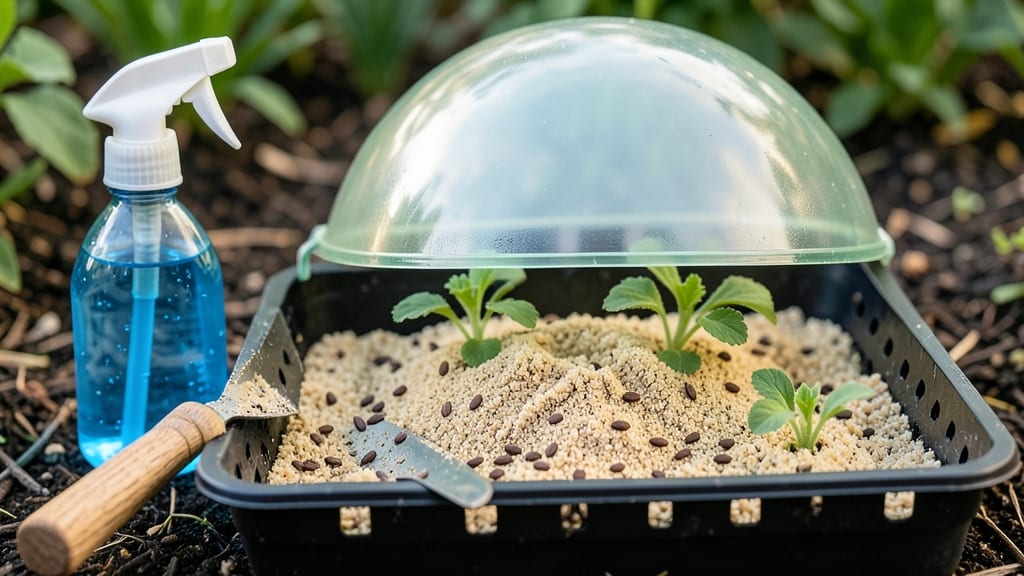
Poppy seed germination time takes 7–14 days when conditions are just right—but I’ve seen them stubbornly refuse to break dormancy until I cracked the cold stratification code. 🌱 The key isn’t just patience; it’s mimicking their natural winter awakening with chilled soil or a simple fridge trick before planting.
Most gardeners overlook scarification (nick the seed coat) or pre-soaking, which can cut germination time in half. I’ve tried both, and the difference is night-and-day—where untreated seeds linger for weeks, prepped ones pop up in 5–7 days.
Too-deep planting or inconsistent moisture? That’s how you end up with bare soil staring back at you.
What you’ll get is a carpet of delicate, papery blooms that transform your garden into a dreamy meadow. The secret’s not just timing—it’s understanding how poppies want to wake up. Once you master this, you’ll never struggle with slow starts again.
Works for California poppies, corn poppies, or even oriental poppies—just adjust stratification days based on your climate. Let’s get those seeds sprouting!
📚 In This Guide
- What you need
- Instructions
- Tips and common mistakes
- Wrapping up and next steps
What you need
- ● Poppy seeds: Fresh, high-quality seeds (choose Papaver species like Papaver rhoeas or Papaver somniferum for best results). Aim for 10–20 seeds to test germination.
- ● Germination medium: Potting mix: Lightweight, well-draining mix (e.g., 50% peat moss + 50% perlite or vermiculite).
- ● Paper towels or coffee filters (for cold stratification method).
- ● Containers: Small seed trays or pots (with drainage holes) for planting.
- ● Ziplock bags or plastic wrap (to create a humid environment).
- ● Spray bottle (for gentle watering).
- ● Fine mist setting (on a hose or watering can).
- ● Refrigerator (for cold stratification, set to 34–40°F (1–4°C)).
- ○ Heat mat (optional): Speeds up germination post-stratification (70–75°F (21–24°C)).
- ● Grow lights or sunny windowsill (for post-germination care).
- ● Seed starter fertilizer (diluted to half-strength for young seedlings).
- ● Humidity dome (to retain moisture during early stages).
- ● Growth chart or journal (to track germination progress!).
- ● Tweezers (for delicate seed handling).
How to cold stratify poppy seeds for faster germination
Cold stratification tricks can cut germination time in half—here's how I do it reliably every season.
❄️ Step 1: Prepare Seeds for Stratification
Poppy seeds require a cold period to break dormancy, so I start by placing them in a sealed plastic bag with a damp paper towel. The towel should feel like a wrung-out sponge—not dripping, just evenly moist. I fold the towel to create pockets and distribute the seeds evenly, then seal the bag tightly to maintain humidity.
This mimics winter's natural moisture cycle. If the towel dries out, germination will stall. I label the bag with the date and variety—poppies can take 4-8 weeks in the fridge, so tracking is key. Place the bag in your refrigerator's crisper drawer where temperatures stay consistently 35-40°F.
🌱 Step 2: Monitor and Test for Readiness
After 2-3 weeks, I check the seeds by gently pressing a few between my fingers. They should feel slightly softened but not mushy. If they're still hard, return them to the fridge for another week. The goal is to weaken the seed coat just enough to let moisture penetrate—this is what triggers germination.
Here's the thing—don't rush this. Poppy seeds won't sprout until they've experienced this cold treatment. I've seen seeds germinate in 5 days after proper stratification, but impatient gardeners often skip this step and wait 3-4 weeks for the same results. Be patient; the cold work is invisible but essential.
🪴 Step 3: Plant Stratified Seeds in Prepared Soil
Fill 4-inch deep pots with well-draining potting mix—poppies hate soggy roots. I press the soil down lightly to remove air pockets, then create ¼-inch deep furrows with my finger. Poppy seeds are tiny, so I use a toothpick to place them ½ inch apart in the furrows. Cover them with a thin layer of soil—just enough to obscure them from light.
Water gently with a spray bottle until the soil looks evenly damp but not wet. Overwatering now will cause seeds to rot before they sprout. I place the pots in a humidity dome or cover them with plastic wrap to maintain moisture while they germinate. Keep them in a warm spot (65-70°F) away from direct sunlight until sprouts appear.
☀️ Step 4: Provide Light and Care for New Sprouts
Once you see tiny green shoots (usually 5-14 days after planting), remove the humidity cover immediately. Poppy seedlings are delicate and will rot if kept too damp. Move them to a bright, indirect light spot—south-facing windows work well, but avoid harsh midday sun. You'll notice the first leaves are round and fuzzy—this is normal and nothing to worry about.
Water only when the top inch of soil feels dry to the touch. I use a small watering can with a fine rose to avoid disturbing the seedlings. After 4-6 weeks, when seedlings have 2-3 sets of true leaves, you can transplant them outdoors or into larger containers. Harden them off gradually by exposing them to outdoor conditions for 1-2 hours daily before full transplant.
⏰ Step 5: Troubleshoot Common Germination Issues
If seeds fail to sprout after 3 weeks, they may need longer stratification. Try another 2-4 weeks in the fridge before replanting. Mold on the soil surface means too much moisture—remove the humidity cover immediately and let the soil dry slightly. Leggy seedlings indicate insufficient light; move them closer to the light source or add a grow light to maintain 12-14 hours of light daily.
Real talk: Poppy seeds are fickle. Even with stratification, some years they germinate in 5 days, other years it takes 3 weeks. Don't assume failure if nothing happens in the first week. The key is consistency—keep the soil moist, maintain the cold period, and provide the right light once they sprout. With these steps, you'll see those iconic poppy sprouts within 2-4 weeks of planting stratified seeds.
Tips & tricks for faster poppy seed germination
These cold stratification hacks have helped me cut germination time by nearly half—here's how to maximize your success.
Cold Treatment Consistency: The 35-40°F temperature range in your fridge's crisper drawer is critical. Some fridges have warmer spots—use a thermometer to verify placement. I've found that poppy seeds stratified at 38°F consistently germinate faster than those at 40°F. If your fridge runs hotter, consider a dedicated seed stratification fridge or use a cooler with ice packs. Remember, this cold period mimics winter conditions that naturally break dormancy.
Humidity Management: The damp paper towel should feel like a wrung-out sponge—not dripping, not bone-dry. I place an extra damp towel on top of the sealed bag to create a mini greenhouse effect that maintains consistent moisture. Check weekly and mist if the towel feels dry to the touch. Overly dry conditions stall germination, while excess moisture can cause mold before seeds even sprout.
Seed Readiness Test: After the 2-3 week mark, test seed readiness by gently pressing a few between your fingers. They should feel slightly softened but not mushy—this indicates the seed coat has weakened enough for moisture penetration. If they're still hard, return them to the fridge for another week. I've learned this test is more reliable than just counting weeks, as some seed batches respond faster than others.
Light Transition Strategy: When moving stratified seeds to soil, place your pots in bright, indirect light immediately. I use a south-facing window with sheer curtains to filter harsh sunlight. The 12-14 hours of light daily mentioned in Step 4 is crucial—poppy seedlings need this consistent light to prevent legginess. If natural light isn't sufficient, supplement with a grow light for 1-2 hours daily until seedlings establish.
Pro Tips for Poppy Seed Germination Time
- These cold stratification hacks have helped me cut germination time by nearly half—here's how to maximize your success.
- Cold Treatment Consistency: The 35-40°F temperature range in your fridge's crisper drawer is critical.
- Humidity Management: The damp paper towel should feel like a wrung-out sponge—not dripping, not bone-dry.
Frequently asked questions
Got questions about poppy seed germination? You’re not alone—these delicate seeds can be tricky! Below, we’ve rounded up the most common concerns to help you grow confidently.
How long do poppy seeds take to germinate?
Poppy seeds typically germinate in 7–21 days under ideal conditions (60–70°F soil temps, consistent moisture). Cold stratification (chilling seeds for 2–4 weeks) can speed this up to 5–10 days. Patience is key—don’t overwater or disturb them while waiting!
What’s the best way to cold stratify poppy seeds?
Place seeds in a damp paper towel, seal in a plastic bag, and refrigerate for 2–4 weeks. Check weekly for mold—if present, dry and restart. After stratification, sow seeds ¼ inch deep in well-draining soil. Avoid freezing solid (this can kill viability).
Can I speed up germination without cold stratification?
While cold stratification is ideal, you can try soaking seeds in warm water for 12–24 hours before planting. Some gardeners also use a heat mat (70–75°F) to encourage faster sprouting. However, results vary—stratification remains the most reliable method for poppies.
Why aren’t my poppy seeds germinating?
Common culprits include:
- Old seeds (viability drops after 1–2 years).
- Poor drainage (seeds rot if soggy).
- Inconsistent moisture (keep soil damp, not wet).
- Temperature extremes (below 50°F or above 80°F stalls germination).
Should I use poppy seed germination aids like scarification?
Poppy seeds have hard seed coats, but scarification (nick or sandpaper) is rarely needed—they’re not as tough as legume seeds. Focus instead on cold stratification or soaking. If you try scarification, be gentle to avoid damaging the seed’s delicate structure.
Pro Tip:
Label your poppy seedlings early! They grow fast and can bolt (flower) in as little as 6–8 weeks. Thin to 12–18 inches apart to avoid overcrowding—poppies hate competition.
Wrapping up and next steps
Growing poppy seeds can be a rewarding experience, especially when you understand their unique germination needs—like cold stratification! With patience and the right techniques, you’ll soon see those delicate blooms emerge. 🌱
Now that you’re armed with tips to speed up sprouting, why not try experimenting with different methods? Start small—plant a few seeds in a pot or garden bed and track their progress. Happy gardening! 🌸