
Propagation
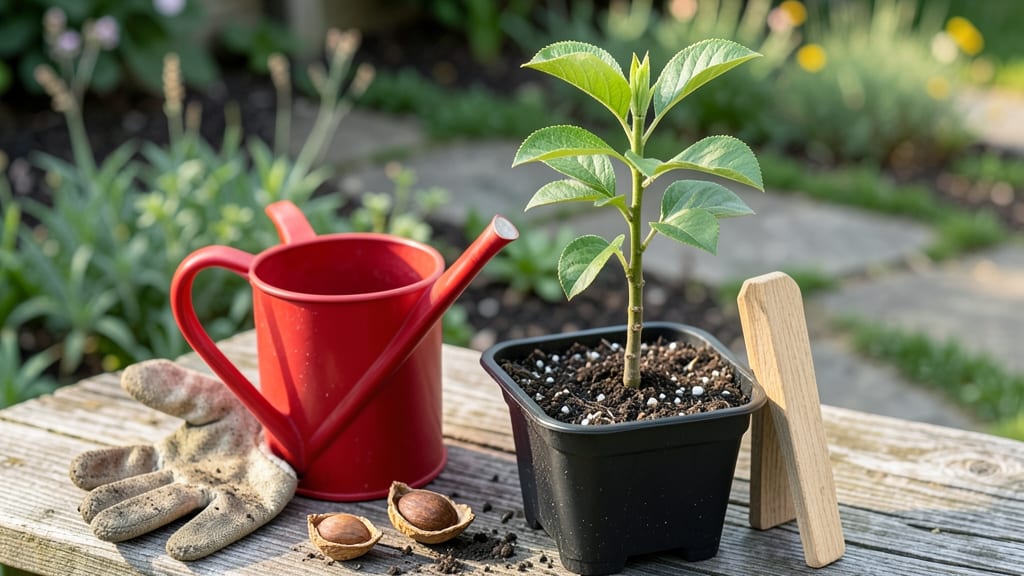
Growing a peach tree from a seed pit turns a grocery store pit into a future orchard—if you’re willing to wait. 🌱 The process starts with a simple pit, but the real magic happens in the years of nurturing that follow, as you watch a tiny seedling become a tree capable of producing fruit.
Most people give up before they see the first blossoms, but the ones who stick with it get a tree with roots deeper than any nursery-bought plant.
First, you’ll need patience—this isn’t a quick harvest. The pit needs 60-90 days of cold stratification to break dormancy, then another 3-5 years before the tree even flowers. But here’s the secret: stratify the pit properly, and you’ll see the first green shoot within 4-8 weeks of planting.
The soil mix matters too—light, well-draining soil with 50% sand keeps roots from rotting, while a warm, sunny spot speeds up germination.
By the time your seedling hits 12 inches tall, you’ll be dreaming of peaches—though the fruit may not match the parent tree. Seed-grown trees often produce smaller, less predictable fruit, but the reward is a tree uniquely yours.
Prune early to encourage a strong structure, and protect young leaves from pests, which love tender new growth.
This project proves that great things take time—and that a single pit can become a legacy. Whether you’re growing for the challenge or the future shade, every step brings you closer to that first harvest. The journey starts now, but the payoff? Years of sweet, sun-warmed fruit.
📚 In This Guide
- What you need
- Instructions
- Tips and common mistakes
- Wrapping up and next steps
What you need
- ● Peach pit: 1-2 fresh, viable pits from a ripe, organic peach (avoid store-bought peaches treated with growth inhibitors).
- ● Paper towels or damp cloth: 2-3 sheets to wrap the pit for stratification.
- ● Plastic bag or airtight container: 1 small bag to hold the wrapped pit.
- ● Refrigerator: For cold stratification (30-90 days at 35-40°F).
- ● Seed-starting mix: 1 bag (1-2 quarts) of sterile, well-draining potting soil (e.g., 50% peat moss, 50% perlite or vermiculite).
- ● Small pots or containers: 2-3 (4-6 inches deep) with drainage holes (e.g., nursery pots or yogurt cups with holes punched in).
- ● Spray bottle: 1 for gentle watering.
- ● Grow lights or sunny windowsill: A bright, indirect light source for seedlings (6+ hours/day).
- ○ Heat mat (optional): 1 to maintain soil warmth (70-75°F) if germination is slow.
- ● Fungicide: A mild dose (e.g., hydrogen peroxide or cinnamon powder) to prevent mold during stratification.
- ● Humidity dome or plastic wrap: To create a mini greenhouse for seedlings.
- ● pH test kit: To check soil acidity (ideal: 6.0-6.5 for peach trees).
- ● Fertilizer (low-nitrogen): 1-2 tsp of balanced 10-10-10 or compost tea once leaves appear.
- ● Pruning shears: For trimming strong shoots later (if you plan to shape the tree).
How to germinate a peach tree from a seed pit
Here's how I've learned to coax life from a peach pit—it takes patience, but the reward is watching a tree grow from a single seed.
🌱 Step 1: Extract and Prepare the Seed
Start by carefully removing the seed from a fresh, ripe peach. Rinse it under cool water to remove any remaining fruit flesh, then pat it dry with a paper towel. The key here is timing—plant the seed within a week of harvesting for the best results. If you're working with a dried pit, soak it in warm water for 24 hours to soften the hard outer shell.
Once softened, use a sharp knife to carefully slice the pit in half lengthwise. You'll see the seed inside, which looks like a small, flat bean. Remove the seed and set it aside. The reason we do this is to break the seed's natural dormancy—peach seeds need this scarification process to germinate. If you skip this step, you might wait months, even years, for germination.
💧 Step 2: Stratify the Seed for Cold Treatment
Peach seeds require a cold stratification period to mimic winter conditions, which signals the seed that it's time to grow. Place the prepared seed between two damp paper towels, fold them over, and seal them in a plastic bag. Store the bag in your refrigerator for 8-12 weeks. Check the towels every few weeks to ensure they stay moist but not soggy—you want them damp enough to feel slightly damp to the touch.
During this time, the seed undergoes internal changes that prepare it for germination. You won't see any visible growth yet, but this step is critical. If you rush it, the seed may rot or fail to sprout entirely. I like to label the bag with the date to keep track of the stratification period—it's easy to forget over the winter months.
☀️ Step 3: Plant the Stratified Seed in Soil
After the cold treatment, remove the seed from the refrigerator and plant it in a small pot filled with well-draining potting mix. Press the seed ½ inch deep into the soil, leaving the pointed end facing upward. Water the soil lightly until it's evenly moist but not waterlogged. Place the pot in a warm, sunny spot where the soil temperature stays around 70-75°F—a sunny windowsill or under a grow light works well.
Keep the soil consistently moist by watering gently whenever the top inch feels dry to the touch. You should see the first signs of germination in 2-4 weeks. The seedling will emerge as a small sprout with two tiny leaves called cotyledons. This is your signal that the seed has successfully broken dormancy and is ready to grow.
🌿 Step 4: Transplant and Care for the Seedling
Once the seedling has developed 3-4 true leaves and is about 6 inches tall, it's time to transplant it into a larger pot or directly into the ground. Choose a spot with full sun and well-draining soil. Dig a hole slightly larger than the seedling's root ball and place it in, covering the roots with soil. Water deeply to help the seedling establish itself.
Peach trees grown from seed may not produce fruit true to the parent tree, but the process is rewarding in its own right. Keep the soil moist but not soggy, and fertilize lightly with a balanced fertilizer every 4-6 weeks during the growing season. Be patient—it can take 3-5 years for a seed-grown peach tree to bear fruit, but the journey is part of the magic.
Tips & tricks for perfect peach tree germination
Here's what I learned after years of trial and error with peach pit germination—these details make all the difference between success and frustration.
Timing is Everything: The 24-hour soak for dried pits is non-negotiable. I've tried skipping it, and the seed simply won't soften enough for proper scarification. After soaking, test the pit's readiness by gently pressing with your thumbnail—it should yield slightly but not break. This step mimics natural weathering that would occur in the wild, breaking the seed's dormancy barrier.
Cold Stratification Secrets: Don't just toss your seed in the fridge and forget about it. The 8-12 week window is crucial—any shorter and you risk incomplete dormancy breaking, any longer and you might trigger premature germination. I place a small dish of water in the fridge near the seed bag to maintain humidity without over-saturating. Pro tip: Use a clear bag so you can visually check moisture levels without opening it.
Soil Temperature Matters: That 70-75°F soil temperature range isn't arbitrary. Use a soil thermometer to verify—cooler soils delay germination, while warmer soils can cause the seedling to grow too quickly and become leggy. I've found that placing the pot on a seedling heat mat (set to low) during cooler months helps maintain that perfect range without overheating.
Transplanting Cues: Those 3-4 true leaves and 6-inch height aren't just random numbers—they indicate the seedling has developed enough root mass to handle transplantation. I wait until morning to move seedlings, when they're fully hydrated. After transplanting, give the pot a gentle shake to check root development before planting—you'll be amazed at how extensive the roots can be!
Pro Tips for Peach Tree From Seed Pit
- Here's what I learned after years of trial and error with peach pit germination—these details make all the difference between success and frustration.
- Timing is Everything: The 24-hour soak for dried pits is non-negotiable.
- Cold Stratification Secrets: Don't just toss your seed in the fridge and forget about it.
Frequently asked questions
Got questions about growing a peach tree from a seed pit? You’re not alone! Here are answers to the most common queries to help you succeed.
How long does it take for a peach seed to germinate?
A peach seed typically takes 30–60 days to germinate if kept in warm, moist conditions. Cold stratification (refrigeration) can speed this up by mimicking winter, reducing the wait to 2–4 weeks. Patience is key—some seeds may take longer, especially if stored improperly.
Can I plant a peach pit directly in the ground?
No, planting a seed pit directly outdoors rarely works—it needs stratification first. Start indoors in a pot with moist soil or a damp paper towel to break dormancy. Once sprouted, transplant it to a permanent spot in spring after the last frost.
Will my seed-grown peach tree produce fruit like the parent?
Probably not! Seed-grown trees are unpredictable—fruit may differ in taste, size, or even ripening time. For reliable peaches, graft a known variety onto your seedling later. Think of it as a fun experiment rather than a guaranteed harvest.
Do I need to refrigerate the seed before planting?
Yes! Cold stratification (4–8 weeks in the fridge) mimics winter and breaks seed dormancy. Place the pit in a damp paper towel, seal it in a bag, and store it at 34–40°F (1–4°C). Skip this step, and germination may fail or take much longer.
What if my seed sprouts but grows weird or dies?
Seedlings can struggle with fungus, pests, or poor soil. Ensure proper light (bright but indirect), well-draining soil, and consistent moisture. If leaves yellow or wilt, check for overwatering or root rot. A weak seedling may need extra care—like a heat mat—to thrive.
Wrapping up and next steps
Growing a peach tree from a seed pit is a rewarding journey that blends patience with the joy of nurturing life from something as simple as a pit!
While the process takes time—often 3-5 years before fruiting—your efforts will yield a unique, heirloom-quality tree with the potential for delicious, homegrown peaches. 🌱✨
Ready to take the next step? Start by planting your seedling outdoors in a sunny spot with well-draining soil, and keep an eye on its progress. Before you know it, you’ll be harvesting fruit straight from your own backyard—what’s more satisfying than that? Happy growing!