
Lawn
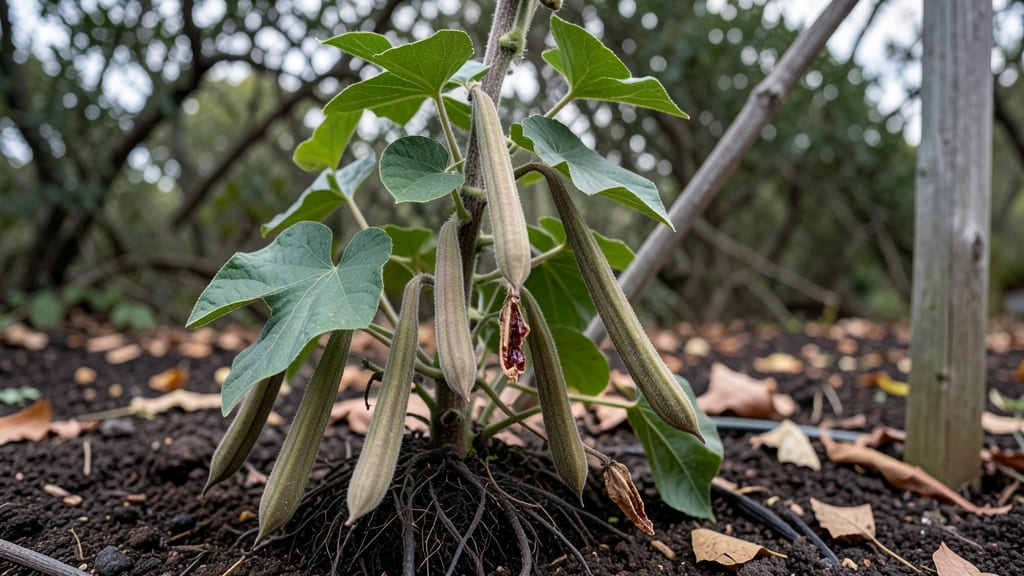
Stratifying passionflower seed pods unlocks next year’s showstopping blooms—those intricate, velvety flowers that hummingbirds adore. 🌿 I’ve learned the hard way that skipping stratification means waiting months (or years) for germination, if it happens at all.
The key is patience: these seeds need a winter-like chill to break dormancy before they’ll sprout reliably.
First, harvest the pods when they turn papery brown and split open on their own—usually late summer or early fall. Inside, you’ll find flat, black seeds that look nothing like the vibrant vines they’ll become.
Store them in a dry, cool spot until stratification, which mimics nature’s winter chill. All you need is a plastic bag with slightly damp sand or peat moss, sealed and refrigerated for 6-8 weeks.
Once stratified, sow seeds in well-draining soil (a mix of potting soil and perlite works best) and keep them warm—around 70°F—under grow lights or in a sunny window.
Germination takes 2-4 weeks, and seedlings are delicate, so avoid overwatering. By spring, you’ll have lush young plants ready to transplant outdoors once frost has passed.
These vines thrive in full sun and handle poor soil surprisingly well, making them perfect for trellises, fences, or even containers. Just watch for aphids, which love new growth, and deadhead spent blooms to encourage more flowers.
With this method, you’ll go from seed to stunning passionflower displays in just one growing season.
📚 In This Guide
- What you need
- Instructions
- Tips and common mistakes
- Wrapping up and next steps
What you need
- ● Passionflower seed pods: 10–20 fresh, mature pods (harvested when fully ripe but slightly soft to the touch).
- ● Sharp pruning shears or scissors: For cleanly snipping pods from the vine.
- ● Paper towels or newspaper: 2–3 sheets to line a container for drying.
- ● Small plastic bags or resealable containers: 5–10 (quart-sized or larger) for stratification.
- ● Potting soil or seed-starting mix: 1–2 small pots (4–6 inches wide) or a seed tray.
- ● Spray bottle with water: For gentle misting.
- ● Refrigerator or cold frame: A space to maintain 35–45°F (2–7°C) for 4–8 weeks.
- ● Grow lights or sunny windowsill: For post-stratification germination (12+ hours of light/day).
- ● Sand or perlite: A handful to mix with soil for better drainage.
- ● Plant labels: To track varieties if experimenting with multiple passionflower types.
- ● Humidity dome or plastic wrap: To create a mini greenhouse effect during germination.
- ● Garden journal: To log stratification dates and germination progress.
How to stratify passionflower seed pods for next season’s blooms
A few weeks of cold treatment now ensures vibrant, healthy vines and showstopping flowers next spring.
🌱 Step 1: Harvest and Prepare Mature Seed Pods
Collect fully mature passionflower seed pods when they turn brown and papery—this usually happens in late fall or early winter. The pods should open easily when squeezed gently, revealing the seeds inside. I like to harvest them just before the first hard frost, as cold temperatures can cause premature opening.
Place the pods in a paper bag and let them dry indoors for 3-5 days in a warm, dry spot. This prevents mold from developing during stratification. Once completely dry, open the pods carefully to extract the seeds. You’ll notice the seeds are covered in a sticky, translucent coating—this is natural and helps with germination.
💧 Step 2: Clean and Moisten the Seeds
Remove any remaining pulp or debris from the seeds by gently rubbing them between your fingers or rinsing them under lukewarm water. Let them dry completely on a paper towel for 12-24 hours. This step is crucial because damp seeds can rot during stratification.
Once dry, place the seeds in a small container and cover them with lukewarm water for 24 hours. This softens the seed coat and encourages even germination. After soaking, drain the water and let the seeds air-dry again for 1-2 hours before moving to the next step. You’ll see the seeds plump up slightly—this is your signal they’re ready for stratification.
❄️ Step 3: Stratify Using the Moist-Chill Method
Fill a small plastic bag with sphagnum moss (about 1 inch deep) and moisten it until damp but not soggy. Sprinkle the seeds evenly over the moss, spacing them ½ inch apart to prevent crowding. Seal the bag loosely with a twist tie, leaving a small opening for airflow.
Place the bag in the refrigerator’s vegetable crisper drawer, where temperatures hover around 35-40°F. Store it upright so the seeds don’t settle at the bottom. Check the moss every 7-10 days—if it dries out, mist it lightly with water. Stratification typically takes 6-8 weeks, but passionflower seeds can be patient and may need up to 12 weeks for optimal results.
☀️ Step 4: Plant Stratified Seeds in Spring
Once the last frost date has passed, fill small pots with well-draining potting mix and plant the stratified seeds ½ inch deep. Space them 2-3 inches apart to allow room for growth. Water gently but thoroughly, ensuring the soil is moist but not waterlogged. Place the pots in a warm, sunny location or under grow lights for 14-16 hours daily.
Germination usually occurs within 2-4 weeks, though some seeds may take longer. You’ll see the first true leaves emerge as small, rounded shapes—this is your cue to keep the soil consistently moist. Once seedlings have 3-4 true leaves, they’re ready to transplant into the garden or larger containers.
🌿 Step 5: Transplant and Care for Young Vines
Choose a sunny spot in your garden with well-draining soil and space the young passionflower vines 6-8 feet apart. Dig a hole slightly larger than the root ball and place the seedling in, covering the roots with soil. Water deeply to settle the soil and encourage root growth. Passionflowers thrive in full sun to partial shade, so avoid deep shade, which can weaken vines.
Mulch around the base with 2-3 inches of organic mulch to retain moisture and suppress weeds. Keep the soil consistently moist but not soggy, especially during the first growing season. You’ll notice new growth within 2-3 weeks, signaling the plant is establishing itself. With proper care, you’ll see your first blooms in 1-2 years, but the wait is worth the stunning display of exotic flowers.
Tips & tricks for perfect passionflower seed stratification
These game-changing insights will help you maximize germination rates and grow thriving passionflower vines next season.
Timing Secret: In Step 1, harvest pods when they're brown and papery but before they split open naturally. This ensures maximum seed viability. I've found that harvesting just before the first hard frost gives me the freshest pods—any earlier, and the seeds may not be fully mature; any later, and frost can damage them. The 3-5 day drying period is non-negotiable: this prevents mold from forming during the cold stratification phase. If you're in a humid climate, consider using a fan on low to speed up drying while maintaining that warm, dry environment.
Moisture Control: The 24-hour soak in Step 2 is your secret weapon for breaking seed dormancy. Use lukewarm water (not hot) to avoid shocking the seeds, and make sure they're completely dry afterward—this prevents rot during stratification. Here's what I learned the hard way: if your seeds look shriveled after drying, give them another 30 minutes. They should plump up slightly, indicating they're ready for the cold treatment. This step is especially critical for passionflower seeds, which have particularly tough seed coats.
Stratification Strategy: When setting up your refrigerator stratification in Step 3, use a clear plastic bag so you can easily monitor moisture levels without opening it. The 35-40°F temperature range in your crisper drawer is ideal, but if your fridge runs cooler, you might need to extend the 6-8 week period to 10-12 weeks. I've had success using a small thermometer in the bag to verify temperatures—some fridges have hot spots! The key is maintaining consistent moisture without soggy conditions, which can lead to mold. A loose seal with a twist tie allows for airflow while keeping the environment stable.
Spring Planting Prep: In Step 4, when planting your stratified seeds, consider using small biodegradable pots instead of seed trays. This eliminates transplant shock later on. The 14-16 hours of daily light requirement can be tricky if your spring weather is unpredictable. If you're using grow lights, position them just 6 inches above the seedlings—they'll grow toward the light and develop stronger stems. Remember that passionflower seedlings are delicate, so avoid overwatering once they emerge. The soil should feel like a wrung-out sponge: moist but not dripping.
Pro Tips for Passionflower Seed Pods
- These game-changing insights will help you maximize germination rates and grow thriving passionflower vines next season.
- Timing Secret: In Step 1, harvest pods when they're brown and papery but before they split open naturally.
- Moisture Control: The 24-hour soak in Step 2 is your secret weapon for breaking seed dormancy.
Frequently asked questions
Got questions about harvesting, storing, or growing passionflower seed pods? You’re not alone! Here are some of the most common queries—and their answers—to help you master this rewarding process.
How do I know when passionflower seed pods are ready to harvest?
Harvest pods when they turn a deep brown or tan and feel dry to the touch—usually late fall or early winter. If they open on their own, seeds will scatter, so act fast! Avoid harvesting if pods are still green or moist, as they won’t store well.
Why do passionflower seeds need stratification, and how long should I do it?
Stratification mimics winter’s cold, breaking seed dormancy for better germination. Place pods in a moist paper towel inside a sealed bag, then refrigerate for 4–6 weeks. Some gardeners swear by 8 weeks for tougher seeds—just check periodically for mold (a red flag!).
Can I grow passionflower from seed pods without stratification?
You can, but germination rates will be low and slow—often taking months or even a year. Stratification boosts success to 70–90%! If you skip it, plant seeds in warm, well-draining soil in spring and stay patient. Some seeds may surprise you, but don’t expect a lush display.
What’s the best way to store passionflower seeds until planting?
After harvesting, let pods dry in a cool, dark place (like a paper bag) for 1–2 weeks. Once fully dry, remove seeds and store them in an airtight container with a damp paper towel or silica gel packets to prevent drying out. Keep them in the fridge until stratification.
My passionflower seeds sprouted too early—what now?
If seeds germinate before stratification, don’t panic! Transplant them into small pots with seed-starting mix and keep them in a bright, warm spot (65–75°F). Once seedlings have 2–3 true leaves, harden them off before moving to the garden in spring. Just be ready for a shorter growing season!
Wrapping up and next steps
Growing passionflower seed pods is a rewarding journey that turns your garden into a vibrant, living canvas! 🌸 By mastering stratificationstunning blooms. Whether you’re a seasoned gardener or just starting, these techniques make it simple to nurture a thriving passionflower patch.
Ready to take the next step? Start by gathering your seeds and supplies, then follow the steps above to kickstart your passionflower adventure. Your future garden will thank you with bold, beautiful blooms—and maybe even a few unexpected surprises! 🌱