
Propagation
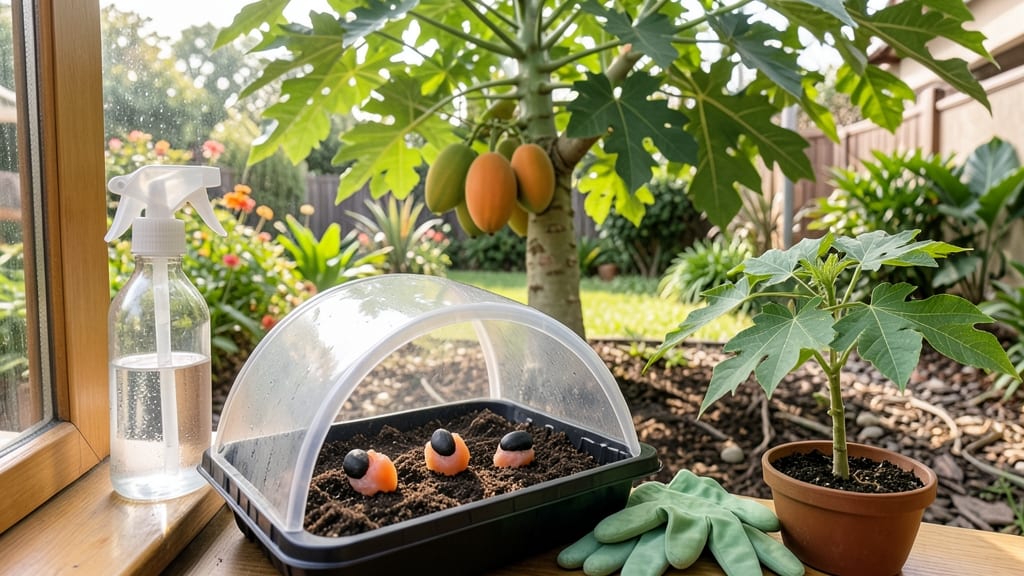
Growing papaya from seed to fruit is like turning a kitchen scrap into a tropical treasure—🌱 and it starts with a single seed from your grocery store papaya.
I’ve grown mine from seed three times, and every harvest feels like a victory, especially when you see those vibrant orange fruits hanging heavy on the vine.
The secret isn’t complicated: papayas thrive in warmth, need plenty of sunlight, and love rich, well-draining soil.
Most people give up because they don’t mimic the plant’s natural tropical environment, but with the right setup—like a greenhouse or a sunny patio—you can coax these fast-growing plants into producing fruit in as little as 9-12 months.
The key is patience and keeping the soil consistently moist without drowning the roots.
By the time you’re harvesting, you’ll have a lush, leafy plant that can reach 10-20 feet tall, and those papayas? They’ll be sweeter and more flavorful than anything you’ve ever bought.
The first fruit might take a while, but once you crack the code, you’ll be hooked on the process—and the taste.
Whether you’re in a warm climate or just growing in containers, this guide covers everything from seed to harvest, including how to hand-pollinate if bees aren’t around. Let’s get those seeds sprouting!
📚 In This Guide
- What you need
- Instructions
- Tips and common mistakes
- Wrapping up and next steps
What you need
- ● Papaya seeds: 3–5 fresh, plump seeds (harvested from a ripe papaya—see our guide on extracting seeds properly).
- ● Seed-starting mix: 1 small pot (4–6 inches in diameter) filled with well-draining, sterile potting soil (avoid garden soil—it may harbor pests or diseases).
- ○ Plastic or biodegradable seedling pots: 1–2 (optional but helpful for transplanting).
- ● Spray bottle: For gentle watering (avoids disturbing seeds).
- ● Plastic wrap or clear dome: To create a mini greenhouse effect (keeps humidity high).
- ● Grow lights or sunny windowsill: Papaya seeds need warmth (75–90°F) and bright, indirect light (6+ hours/day).
- ● Fertilizer: A balanced, water-soluble fertilizer (e.g., 10-10-10) diluted to half-strength once seedlings sprout.
- ● Heat mat: Speeds up germination (ideal for cooler climates).
- ● Humidity tray: Elevates pots over a water-filled tray to maintain moisture.
- ● Pruning shears: For trimming leggy seedlings later.
- ● Support stake or trellis: Papaya vines grow tall—provide a sturdy structure if growing indoors.
- ● pH testing kit: Ensures soil pH is 6.0–6.5 (papayas prefer slightly acidic soil).
Step-by-step instructions for growing papayas from seed
Here's how to transform a papaya seed into a thriving tropical plant bearing fruit.
🌱 Step 1: Extract and Prepare the Seeds
Cut open a ripe papaya and scoop out the black seeds, rinsing them thoroughly to remove the gelatinous coating. Spread them on a paper towel to dry for 24 hours—this prevents mold. I like to place them in a warm, dry spot like a sunny windowsill. Once dry, store them in a sealed container until ready to plant.
Papaya seeds lose viability quickly, so plant them within 2-3 weeks of extraction. You'll know they're ready when they feel light and papery to the touch. The key here is patience—rushing the drying process leads to rot, while over-drying kills germination potential.
☀️ Step 2: Start Seeds Indoors in Warmth
Fill a 3-inch deep container with moist, well-draining potting mix (I use a blend of 50% peat moss and 50% perlite). Plant 2-3 seeds per cell just below the surface—¼ inch deep—since papayas need warmth to germinate. Cover the container with plastic wrap to retain humidity and place it in a warm spot (75-85°F).
Germination takes 10-20 days, but don't disturb the soil until you see first true leaves (not the initial seed leaves). I keep the soil consistently moist but never soggy—tap the container daily to check moisture. If condensation forms under the plastic, lift it for 10 minutes to prevent fungal growth.
🌿 Step 3: Transplant Seedlings to Larger Pots
Once seedlings reach 4-6 inches tall, transplant the strongest one into a 5-gallon pot (papayas need room to grow). Use the same well-draining mix and bury the stem up to the first set of leaves—this encourages root development. Place the pot in bright, indirect light for 2 weeks to harden off the plant.
Papayas thrive in warmth, so keep the pot in a sunny window or under grow lights for 12-14 hours daily. You'll notice new leaves forming within 7-10 days—this signals the plant is adjusting. Avoid cold drafts, as papayas are tropical and sensitive to temperature drops below 60°F.
🪴 Step 4: Move Outdoors and Support Growth
After 3 months, when the plant is 2-3 feet tall, move it outdoors to a sheltered, sunny spot (full sun if temperatures stay above 70°F). Papayas need 6+ hours of sunlight daily to fruit. Install a trellis or stake early—vines can grow 20+ feet and need support.
Fertilize every 4 weeks with a balanced, water-soluble fertilizer (10-10-10) to encourage flowering. Watch for yellowing leaves—this often means overwatering or nutrient deficiency. Papayas are heavy feeders, so don’t skimp on fertilizer once buds form.
⏰ Step 5: Pollinate and Harvest Fruit
Papayas are self-pollinating, but you can hand-pollinate for better fruit set. Use a small brush to transfer pollen from male to female flowers (female flowers have a small papaya-shaped bump at the base). Once fruit forms, it takes 4-6 months to ripen—green to orange-yellow with a sweet aroma.
Harvest when the skin turns fully yellow and gives slightly to gentle pressure. Ripen indoors at room temperature—unripe papayas won’t sweeten after picking. With patience, your kitchen scrap could yield 4-6 fruits per plant in its first year!
Tips & tricks for growing papayas from seed
Turning kitchen scraps into tropical fruit is easier than you think—here are the secrets to success.
Seed Preparation: The 24-hour drying time is non-negotiable for preventing mold, but don't let seeds dry longer than 3 weeks or they'll lose viability. I've found that placing them on a wire rack over a warm (not hot) oven light speeds up drying without overheating. Once dry, store them in a sealed container with a silica gel packet to absorb any remaining moisture—this keeps them ready for planting for months.
Germination Conditions: That 75-85°F temperature range is crucial, but not every home stays that warm. If your space runs cooler, place the seed tray on top of your fridge (not inside) or use a seedling heat mat set to 80°F. Watch for condensation under the plastic wrap—if it forms, lift the plastic for 10 minutes daily to prevent fungal growth. The first true leaves are your signal to stop disturbing the soil.
Transplanting Strategy: When your seedlings reach 4-6 inches, choose the strongest one and transplant it into the 5-gallon pot. Here's a trick I learned: bury the stem up to the first set of leaves—this encourages deeper root growth. After transplanting, place the pot in bright, indirect light for those first 2 weeks to help the plant adjust without shock. I've seen seedlings double in size within 7-10 days when given this gradual transition.
Outdoor Transition: The 3-month mark for moving outdoors is a guideline, but don't rush it—wait until nighttime temperatures stay above 60°F consistently. Harden off your plant by placing it outside for increasing durations (starting with 1 hour) over 5-7 days. Install that trellis or stake early—papaya vines can grow aggressively, and supporting them prevents broken stems as they mature.
Pro Tips for Papaya From Seed To Fruit
- Turning kitchen scraps into tropical fruit is easier than you think—here are the secrets to success.
- Seed Preparation: The 24-hour drying time is non-negotiable for preventing mold, but don't let seeds dry longer than 3 weeks or they'll lose viability.
- Germination Conditions: That 75-85°F temperature range is crucial, but not every home stays that warm.
Frequently asked questions
Got questions about growing papayas from seed? Here are some of the most common ones—plus quick, practical answers to help you on your tropical journey!
How long does it take for a papaya seed to sprout?
A papaya seed typically sprouts within 7–14 days if kept warm (70–85°F) and moist. Soak seeds overnight before planting to speed up germination. Patience is key—some stubborn seeds may take up to 3 weeks!
When will my papaya plant produce fruit?
If you’re lucky, a healthy papaya plant can bear fruit in 9–18 months, but most home growers wait 1–2 years. Female plants (with small flowers at the base) fruit faster than hermaphrodites. Give it time—tropical patience pays off!
Can I grow papaya indoors or in a small space?
Yes! Papayas thrive in containers (10+ gallons) if you provide bright light (6+ hours/day) and warmth. A sunny windowsill or grow lights work, but expect smaller yields. Dwarf varieties like ‘Solo’ are ideal for indoor growers.
Why are my papaya leaves turning yellow or dropping?
Yellow leaves often signal overwatering, nutrient deficiency, or pests. Check soil moisture (keep it slightly dry) and fertilize with a balanced mix (like 10-10-10). Inspect for spider mites or aphids—neem oil can help if pests are the culprit.
What if my papaya fruit is small or never forms?
Small fruit or no fruit? It might be due to lack of pollination, poor nutrition, or immature plants. Hand-pollinate flowers with a brush, ensure full sun, and fertilize monthly. If your plant is under 1 year old, it may still be too young to fruit.
Wrapping up and next steps
Growing papaya from seed to fruit is a rewarding journey that connects you to nature’s bounty—and it’s easier than you think! 🌱 Whether you’re a beginner or a green-thumb enthusiast, this tropical treasure thrives with patience, warmth, and a little care.
Now that you’ve mastered the basics, why not take the next step? Try experimenting with different varieties, share your harvest with friends, or even start a small papaya grove in your backyard!
Your first papaya is just around the corner—keep nurturing those seeds, and enjoy the sweet taste of success! 🍈✨