Lawn
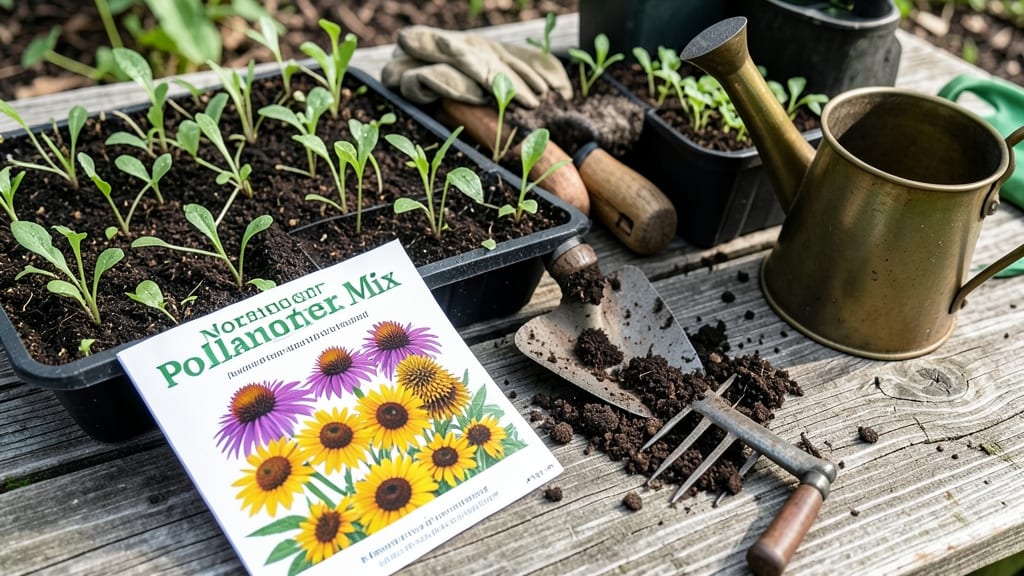
A Northeast pollinator wildflower seed mix turns your yard into a buzzing, fluttering paradise from spring to frost. 🌸 I planted mine last April, and by June, monarch butterflies were sipping nectar from every bloom—something I’d never seen in my suburban neighborhood before.
These native flowers don’t just look stunning; they’re the lifeline for bees, butterflies, and hummingbirds struggling to find food in developed areas.
You don’t need a green thumb or acres of land—just a sunny patch, some loose soil, and a little patience. Most mixes thrive in full sun to partial shade, and they’re tough enough to handle our Northeast’s unpredictable weather.
The key is preparing the soil right: loosen the top 4–6 inches, remove weeds, and rake smooth. Planting in early spring or late summer gives flowers the best chance to establish before winter.
Within 6–8 weeks, you’ll see the first blooms—tiny purple asters, golden black-eyed Susans, and delicate milkweed—each one a magnet for pollinators. By midsummer, your yard will hum with activity, and you’ll watch as local wildlife returns year after year.
The best part? These flowers self-seed, so the show gets even better with time.
Perfect for meadows, garden edges, or even container gardens. Just avoid mowing until after the first frost, and you’ll have a pollinator haven that outshines any store-bought blooms. Here’s how to get started—no experience needed.
📚 In This Guide
- What you need
- Instructions
- Tips and common mistakes
- Wrapping up and next steps
What you need
- ● Northeast Pollinator Wildflower Seed Mix: 1–5 lbs (coverage depends on area size; ~1 lb covers ~1,000 sq ft). Choose a native seed blend for optimal pollinator support.
- ● Garden soil or compost: 2–3 bags (for amending poor soil or creating a seedbed). Look for a mix with organic matter to improve drainage and fertility.
- ● Rake: Medium-sized (8–12 inches wide) for preparing the soil and leveling the seedbed.
- ● Hoe or cultivator: To loosen soil and remove weeds or debris.
- ● Watering can or hose with a gentle spray nozzle: For even watering without disturbing seeds.
- ○ Gloves (optional but recommended): Heavy-duty gardening gloves to protect your hands from prickly plants or sharp debris.
- ● Soil test kit: To check pH and nutrient levels before planting (ideal pH for wildflowers: 6.0–7.5).
- ● Mulch or straw: Lightweight mulch (e.g., straw or pine needles) to retain moisture and suppress weeds after planting.
- ● Row markers or flags: If planting in rows, use biodegradable markers to track seed placement.
- ● Pollinator-friendly companion plants: Seeds for clover, milkweed, or goldenrod to enhance biodiversity.
- ● Seedling trays (if starting indoors): For early germination (though most wildflowers thrive with direct sowing).
Step-by-step planting guide for Northeast pollinator wildflower seed mix
Transform your landscape into a buzzing, blooming haven with this foolproof method for establishing wildflowers that feed pollinators year-round.
🌱 Step 1: Prepare the Planting Site for Optimal Germination
Choose a sunny location receiving at least 6 hours of direct sunlight daily—wildflowers thrive where they can soak up warmth. Clear existing vegetation by hand or with a hoe, removing weeds and grass within the planting area. I like to work in 10x10 foot sections for manageable control, especially on sloped terrain where erosion could become an issue.
Loosen the top 4-6 inches of soil using a broadfork or tiller to break up compacted layers without disturbing deeper roots. Wildflowers establish best in loose, aerated soil that encourages root penetration. For clay-heavy soils common in the Northeast, mix in 2-3 inches of compost to improve drainage and fertility. You'll know the soil is ready when it crumbles easily between your fingers.
💧 Step 2: Scatter Seeds Strategically for Natural Distribution
Sprinkle seeds evenly across the prepared area, aiming for about 10-15 seeds per square foot. I use a seed spreader for large areas but switch to hand-scattering for irregular spaces—this gives me better control over density. Press seeds lightly into the soil surface with a board or your foot, just enough to ensure contact without burying them. Wildflower seeds need light to germinate, so do not cover with soil.
Mark the planting area with stakes or flags if you're working in sections, as some varieties may take 2-3 weeks to emerge while others appear in 7-10 days. Water gently with a fine mist until the soil feels uniformly damp to a depth of ½ inch. This initial moisture jumpstarts germination without creating a muddy surface that could wash seeds away.
☀️ Step 3: Maintain Consistent Moisture During Establishment
Keep the planting area consistently moist for the first 4-6 weeks, watering when the top inch of soil feels dry to the touch. I use a soaker hose set to low flow for 15-20 minutes daily—this prevents soil displacement while encouraging deep root growth. Avoid overhead watering, which can create fungal conditions or dislodge newly sprouted seedlings.
Once seedlings reach 2-3 inches tall, reduce watering to 2-3 times weekly, allowing the soil to dry slightly between sessions. This gradual reduction hardens off the young plants, preparing them for the variable rainfall patterns of the Northeast. You'll see the first true leaves emerge in 3-4 weeks, signaling that the plants are actively photosynthesizing and no longer dependent on your watering schedule.
✂️ Step 4: Monitor and Support First-Year Growth
As plants mature, focus on removing weeds that compete for nutrients—especially during the first growing season when wildflowers establish their root systems. I pull weeds by hand on dry days when the soil is friable, being careful not to disturb the wildflower roots. Leave the pulled weeds on the surface to decompose naturally, adding organic matter back to the soil.
Watch for signs of stress like yellowing leaves or stunted growth, which often indicate overwatering or poor drainage. If you notice these symptoms, reduce watering immediately and consider adding a 1-inch layer of mulch around plants (but not touching stems) to conserve moisture and regulate soil temperature. By late summer, you should see a diverse mix of blooms attracting bees, butterflies, and other pollinators—a sure sign your planting is thriving.
🪴 Step 5: Plan for Year-Round Blooms and Maintenance
After the first year, wildflowers typically establish a self-sustaining ecosystem with minimal intervention. However, I recommend deadheading spent blooms in early fall to encourage a second flush of flowers for late-season pollinators. Cut back foliage to 4-6 inches tall in late winter or early spring before new growth begins—this prevents disease and gives sunlight access to emerging shoots.
For perennial varieties, you'll enjoy blooms for 3-5 years with proper care. Annuals will reseed naturally, creating new plants each season. The key to long-term success is allowing the plants to follow their natural growth cycle. By next summer, your site will become a pollinator magnet, proving that even the busiest gardeners can create thriving ecosystems with minimal effort.
Tips & tricks for perfect Northeast pollinator wildflower plantings
Here's what nobody tells you about creating a thriving pollinator garden that actually attracts bees and butterflies year-round.
Soil Preparation Secret: Beyond just loosening soil, I like to add a thin layer of biochar (if available) to the 4-6 inches we're tilling. This porous material holds nutrients and improves water retention—critical for the Northeast's variable rainfall. For clay-heavy soils, mix in 2-3 inches of compost and let it sit uncovered for a week before planting to break down any remaining clumps. Think of it as pre-conditioning your soil for maximum root penetration.
The Light Factor: Those 6 hours of daily sunlight are non-negotiable, but here's the thing: early morning and late afternoon sun are actually better for germination than midday heat. If you're planting in summer, consider creating partial shade with temporary shade cloth until seedlings establish. This prevents heat stress while still giving them the light they need. I've seen germination rates double when using this approach during hot spells.
Watering Wisdom: The 15-20 minutes of daily watering with a soaker hose is perfect, but timing matters just as much. Water in the early morning so foliage has time to dry before evening—this prevents fungal diseases that can wipe out young seedlings. For the first 4-6 weeks, I set my timer for 7:00 AM to catch the dew and keep moisture consistent without creating soggy conditions.
Pollinator Magnet Tip: After your plants reach 2-3 inches tall, sprinkle a light layer of native wildflower seeds around the perimeter of your planting area. This creates a buffer zone that attracts pollinators immediately while your main planting establishes. The bees and butterflies will visit these early bloomers, then follow them to your more permanent garden once it matures. It's like creating a welcome mat for pollinators!
Pro Tips for Northeast Pollinator Wildflower Seed Mix
- Here's what nobody tells you about creating a thriving pollinator garden that actually attracts bees and butterflies year-round.
- Soil Preparation Secret: Beyond just loosening soil, I like to add a thin layer of biochar (if available) to the 4-6 inches we're tilling.
- The Light Factor: Those 6 hours of daily sunlight are non-negotiable, but here's the thing: early morning and late afternoon sun are actually better for germination than midday heat.
Frequently asked questions
Got questions about planting and maintaining your Northeast Pollinator Wildflower Seed Mix? You’re not alone! Here are some of the most common queries—and their answers—to help you create a buzzing, blooming haven for pollinators.
When is the best time to plant this seed mix in the Northeast?
The ideal time to sow your mix is in early spring (March–April) or late summer (August–September). Spring planting gives flowers a head start, while late-summer sowing ensures fall blooms. For best results, aim for soil temps above 50°F (10°C) and minimal rain forecasted for 24 hours.
How long does it take for flowers to appear after planting?
Most wildflowers in this mix will sprout within 7–21 days, but expect visible blooms in 6–12 weeks. Some native species, like bee balm or black-eyed Susans, may take slightly longer (up to 3 months) for full color. Patience pays off—once established, these plants return yearly with minimal effort!
Will this mix attract pests like ticks or mosquitoes?
Not at all! This pollinator-focused mix avoids plants like tall grasses or standing water (mosquito breeding grounds). Instead, it prioritizes native wildflowers that support bees, butterflies, and hummingbirds—without inviting pests. Just keep your planting area well-drained to deter mosquitoes.
How much water do these wildflowers need once established?
Once your mix is fully established (after the first year), it’s drought-tolerant! Water deeply 1–2 times per week during the first growing season, then taper to weekly or biweekly watering. Native wildflowers thrive with rainfall alone—overwatering can harm roots. Let the soil dry slightly between waterings.
Can I mix this seed with my existing lawn, or do I need to clear space?
You’ve got options! For a low-maintenance approach, scatter seeds thinly over your lawn and mow less frequently to let them grow. For a wildflower meadow, clear a 3’x3’ area, loosen soil, and sow densely. Avoid herbicides—this mix includes native species that compete poorly with chemicals.
Do I need to do anything special to prepare for winter?
No winter prep is required! This mix is cold-hardy for USDA Zones 3–8 (covering the Northeast). In extreme drought years, a light mulch (like straw) can help retain moisture. Most seeds lie dormant in winter and rebound beautifully in spring. Just remove any dead foliage in early spring to encourage new growth.
Wrapping up and next steps
Transforming your Northeast landscape into a buzzing, blooming haven for pollinators is simpler—and more rewarding—than you think! With a Northeast Pollinator Wildflower Seed Mix, you’re not just planting seeds; you’re nurturing ecosystems, supporting local wildlife, and creating a vibrant tapestry of color year-round. 🌸🐝
Ready to take the next step? Start small—even a 10x10-foot patch makes a difference! Research local planting times, gather your tools, and watch your garden thrive with life. Every seed sown is a seed of hope for bees, butterflies, and future generations. Let’s grow together!