Lawn
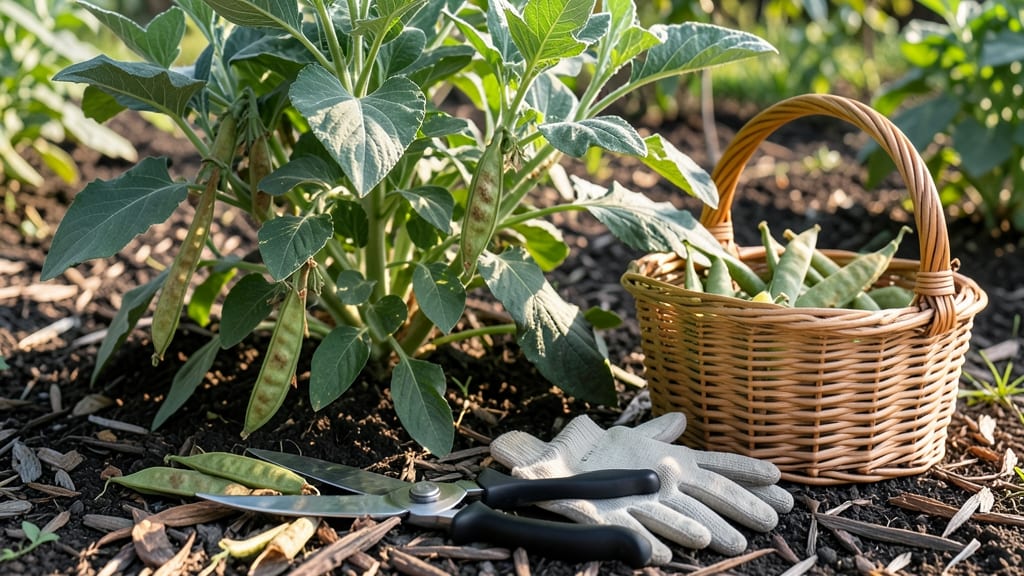
Mustard seed pods turn from green to brown when they're finally ready to harvest—and skipping this step means losing your entire crop. 🌱 I’ve spent years watching mustard plants go from tiny sprouts to towering greens, only to panic when the pods refuse to open.
The secret? Timing, gentle handling, and knowing exactly when to act. Pods should rattle when shaken (that’s seeds inside!) and turn from bright green to a rich, papery brown. If you wait too long, they’ll shatter at the slightest touch—leaving you with empty husks and scattered seeds.
The best time to harvest is on a dry morning after the dew has lifted, when the pods are firm but beginning to split naturally. Once you’ve collected them, lay the pods out on a clean towel in a warm, dry spot to finish drying.
Store the fully dried pods in a paper bag for up to a year—they’ll keep their viability for replanting or grinding into seasoning. Just avoid plastic bags, which trap moisture and encourage mold. For next season, focus on healthy plants with strong stems and plenty of sunlight.
Overcrowding or nitrogen-heavy soil can lead to weak pods, while pests like aphids will chew through them before they ripen. A little patience and the right conditions turn mustard plants into a seed-producing powerhouse.
📚 In This Guide
- What you need
- Instructions
- Tips and common mistakes
- Wrapping up and next steps
What you need
- ● Mustard seed pods: Fresh or dried pods (harvest when fully mature but still slightly green for easier cracking—~1-2 cups depending on your project).
- ● Heavy-duty gloves: Thick gardening gloves (latex or nitrile) to protect your hands from sharp pod edges.
- ● Rolling pin or mallet: A sturdy wooden or rubber rolling pin (or a 1-2 lb mallet) for crushing pods.
- ● Clean towel or cloth: A large, lint-free towel to catch seeds and debris.
- ○ Small sieve or fine mesh strainer: (Optional but helpful) for sifting seeds from chaff—4-6 inch diameter works best.
- ● Paper bags or bowls: For collecting seeds (2-3 containers to separate seeds from husks).
- ● Sharp scissors or pruners: (If pods are still attached to stems) for trimming.
- ● Food processor or blender: For high-volume seed extraction (pulse pods in batches—1/2 cup at a time).
- ● Plastic wrap or parchment paper: To line your work surface and make cleanup easier.
- ● Magnifying glass: For inspecting seeds for pests or imperfections.
- ● Air-tight containers: With silica gel packets to store seeds long-term (if saving for planting).
Step-by-step guide to harvesting and processing mustard seed pods
Here's how to turn those spicy pods into fresh seeds without the frustrating twists and turns.
🌱 Step 1: Identify and Select Mature Pods
Wait until the pods turn from green to a deep brown or tan color—this signals full maturity. Gently twist a pod to test: if it separates easily from the plant, it's ready. Avoid pods that are still green or starting to split open naturally, as they won't yield viable seeds.
I like to harvest on a dry morning when the pods are crisp. Use clean, sharp scissors or pruning shears to snip the pods directly from the stem. This prevents damage to the plant and keeps the pods intact for processing. Place them in a single layer on a clean towel or paper towels to dry completely—this prevents mold from forming.
💧 Step 2: Dry the Pods Thoroughly
Spread the harvested pods in a warm, dry location with good airflow—like a sunny windowsill or a well-ventilated room. Avoid direct sunlight, which can cook the pods and reduce seed quality. Turn the pods occasionally to ensure even drying, which should take about 3-5 days.
You'll know they're dry enough when the pods feel light and rattle slightly when shaken. If they still feel damp or bend easily, give them another day or two. Proper drying is critical—under-dried pods may develop mold, while over-dried ones can shatter and lose seeds.
✂️ Step 3: Remove Seeds from the Pods
Once fully dry, lay a pod on a clean cutting board or flat surface. Hold it firmly and twist it gently but firmly with your fingers. The pod should split open naturally, releasing the seeds inside. If it resists, tap it lightly with a spoon or the back of a knife to encourage it to open.
I like to use a small bowl or plate to catch the seeds as they fall out. Avoid shaking the pods directly over the bowl—this can cause seeds to scatter. If a pod is particularly stubborn, you can carefully slice it open with a knife, but twisting is the gentler method for most pods.
🪴 Step 4: Clean and Store the Seeds
Once all the seeds are out, spread them on a clean, dry surface to remove any debris or chaff. Use a fine-mesh sieve or a piece of lightweight fabric to sift through the seeds, discarding any empty pods or plant fragments. This step ensures you're left with only the clean, viable seeds.
Store the seeds in an airtight container, like a small glass jar or a sealed plastic bag, in a cool, dark place. Label the container with the date and variety of mustard. Properly stored seeds can last for 2-3 years, though they'll gradually lose viability over time. Check them occasionally for signs of moisture or pests.
⏰ Step 5: Test and Use Your Seeds
Before using your seeds, do a quick viability test: place a few seeds between damp paper towels in a sealed bag or container. Keep them in a warm place for 3-5 days. If they sprout, they're ready to plant. This simple test saves you from planting seeds that might not grow.
Use your seeds for planting new mustard plants or for culinary purposes, like grinding them into mustard powder. If you're saving seeds for planting, sow them in well-draining soil and keep them moist until germination. You'll see sprouts in about 7-14 days, depending on the variety and growing conditions.
Tips & tricks for perfect mustard seed pod processing
Transforming those stubborn pods into usable seeds doesn't have to be a battle—here's how to make every step smoother.
Harvesting Timing: The dry morning rule is non-negotiable. Dewy pods are harder to twist cleanly and may tear instead of splitting. Harvest when pods feel crisp to the touch—this is your best indicator of readiness. I've found that harvesting just before midday sun gives me the best results, as the pods have dried slightly overnight but aren't yet overheating.
Drying Strategy: For the 3-5 day drying period in Step 2, I recommend placing pods on a mesh rack or even an old window screen. This allows airflow on all sides while keeping them off damp surfaces. If you're short on time, a dehydrator set to 95°F works beautifully—just check after 24 hours. Watch for that telltale rattle when shaken, which means they're ready for seed extraction.
Seed Extraction Hack: When twisting pods in Step 3 feels too difficult, try this: place the pod between two sheets of parchment paper on your cutting board. The paper gives you better grip and prevents the pod from slipping while you apply steady twisting pressure. For particularly tough pods, I've had success gently tapping the pod with a wooden spoon handle—just enough to coax it open without crushing the seeds inside.
Storage Wisdom: The 2-3 year storage life mentioned in Step 4 assumes your seeds are completely dry before sealing. To test, place a few seeds in a small baggie with a damp paper towel for a day—if they show no moisture condensation, they're ready. For extra protection, add a small silica gel packet to your storage container, especially if you're storing in humid conditions.
Pro Tips for Mustard Seed Pods
- Transforming those stubborn pods into usable seeds doesn't have to be a battle—here's how to make every step smoother.
- Harvesting Timing: The dry morning rule is non-negotiable.
- Drying Strategy: For the 3-5 day drying period in Step 2, I recommend placing pods on a mesh rack or even an old window screen.
Frequently asked questions
Got questions about harvesting and working with mustard seed pods? You’re not alone! Here are answers to the most common queries to help you tackle your project with confidence.
How do I know when mustard seed pods are ready for harvest?
Mustard seed pods are ready when they turn light brown and begin to dry out—usually 4-6 weeks after flowering. Press a pod gently; if the seeds rattle inside, they’re ripe! Harvest on a dry day to prevent moisture from causing mold. Avoid waiting too long, or the pods may burst open and scatter seeds.
How long does it take for mustard seed pods to fully mature?
Full maturity depends on your climate, but most mustard varieties take 8-12 weeks from planting to seed readiness. In cooler regions, pods may take longer (up to 14 weeks). Check seed packets for specific variety timelines, as some bolt faster than others. Patience pays off—overripe pods lose viability!
Can I use mustard seed pods that have already split open?
Yes, but act fast! Once pods split, seeds are vulnerable to birds, wind, or rain. Collect them immediately, spread them on a tray to dry, and store in a cool, dark place. If seeds are still plump and firm, they’re likely viable. Discard any shriveled or discolored seeds to avoid poor germination.
What’s the easiest way to remove seeds from pods without making a mess?
Try this trick: Place pods in a paper bag, then shake or gently crush them with a rolling pin. The bag will catch seeds while keeping debris contained. For stubborn pods, use a clean fork to pry them open over a tray. Pro tip: Wear gloves—mustard seeds can irritate skin!
Are there alternatives if my mustard plants don’t produce pods?
If your plants bolt too early or fail to flower, try these fixes:
- Choose heat-tolerant varieties like ‘Southern Giant Curled’ for warmer climates.
- Ensure 6+ hours of sunlight and well-draining soil.
- Use fertilizer low in nitrogen (high nitrogen = leafy growth, fewer pods).
- Consider container growing for better control over conditions.
Wrapping up and next steps
Mustard seed pods may seem tricky at first, but with the right tools and techniques, you can harvest, dry, and extract seeds like a pro—no frustrating twists or wasted effort!
Whether you're growing them for culinary, medicinal, or ornamental purposes, mastering this process opens doors to fresh, homegrown flavors and sustainable gardening. 🌱
Ready to take the next step? Start small—plant a few pods in your garden or balcony this season, and experiment with drying and storing methods. Before you know it, you’ll be enjoying crisp, fresh mustard seeds straight from your own backyard. Happy growing! 🌟