
Lawn
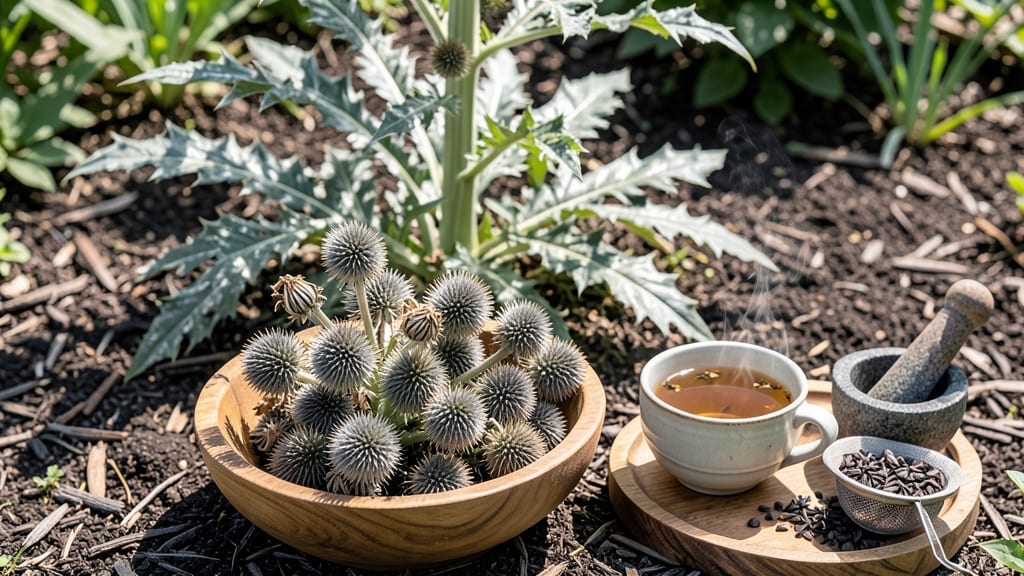
Milk thistle seed tea may be the liver-supportive herbal ally you didn’t know you needed. 🌿 I first discovered its potential after struggling with occasional digestive sluggishness, and now I sip it daily—it’s like a gentle reset for my body’s hardworking organ.
The active compound, silymarin, acts as a natural protector, helping the liver filter toxins more efficiently while packing antioxidant benefits that go beyond just liver health.
Making it is simpler than you’d think—no fancy equipment required. All you need are dried milk thistle seeds (or fresh ones if you’re growing your own), hot water, and a fine-mesh strainer. Steep about 1 teaspoon of seeds in 1 cup of boiling water for 10-15 minutes, then strain.
The earthy, slightly nutty flavor grows on you, and the ritual of brewing it feels almost meditative. For best results, drink it once or twice daily, but start slow to see how your body responds.
What you’ll notice after consistent use is a subtle but noticeable shift—less bloating, more energy, and a quieter digestive system. Studies suggest it may even help with occasional liver fatigue from processed foods, but remember: it’s not a cure-all.
Think of it as a supportive teammate, not a solo player. The real magic happens when combined with a balanced diet and other liver-friendly habits, like staying hydrated and limiting alcohol.
If you’re curious about growing your own, milk thistle thrives in well-drained soil with full sun—just be aware it can spread aggressively in some climates. For now, focus on brewing: start with small batches, adjust the strength to your taste, and listen to your body. Your liver will thank you.
📚 In This Guide
- What you need
- Instructions
- Tips and common mistakes
- Wrapping up and next steps
What you need
- ● Milk thistle seeds (Silybum marianum) – 1–2 teaspoons (3–6 grams) per cup. Opt for organic, whole seeds or pre-ground powder (if using powder, adjust to ½ teaspoon per cup).
- ● Water – 1 cup (240 mL) of filtered or spring water (avoid tap water with strong chlorine flavors).
- ● Honey or maple syrup – 1 teaspoon (to sweeten, if desired).
- ● Lemon juice – ½ teaspoon (adds a citrusy zing and vitamin C).
- ● Cinnamon stick or ginger slice – 1 small piece (for warmth and extra flavor).
- ● Herbal tea blend – 1 teaspoon (e.g., chamomile or peppermint for a layered taste).
- ● Teapot, saucepan, or French press – For steeping (a fine-mesh strainer is ideal if using whole seeds).
- ● Measuring spoons – For precise seed and sweetener quantities.
- ● Timer – To ensure perfect steeping (5–10 minutes).
- ● Mug or heat-resistant cup – For serving your brew.
Step-by-step instructions for brewing milk thistle seed tea
Here’s how to prepare a potent, liver-supportive tea that’s simple yet powerful.
🌱 Step 1: Select and Prepare the Milk Thistle Seeds
Choose organic milk thistle seeds (also called silymarin seeds) for maximum potency. You’ll need about 1 teaspoon of whole seeds per 8-ounce cup of tea. If using powdered extract, start with ½ teaspoon per cup—powdered versions are more concentrated and can be bitter if overused.
Lightly crush the seeds with a mortar and pestle or a clean coffee grinder. This releases the beneficial compounds but keeps the texture manageable for steeping. Avoid grinding into a fine powder, as it can create a muddy tea and make extraction less efficient. Store unused seeds in an airtight container away from direct sunlight.
💧 Step 2: Steep the Seeds in Hot Water
Bring 1 cup of filtered water to a gentle boil, then reduce heat to maintain a rolling simmer. Add the crushed seeds and let them steep for 10-15 minutes. The longer you steep, the more silymarin (the active compound) will infuse, but beyond 15 minutes, the tea can become overly bitter.
Strain the seeds through a fine-mesh sieve or cheesecloth into a clean mug. Discard the seeds—they’ve already given up their goodness. For a smoother flavor, you can add a small slice of lemon or a teaspoon of raw honey after straining, but avoid adding these during the initial steep, as they can alter the tea’s potency.
☀️ Step 3: Adjust Strength and Flavor to Taste
Start with a single serving to gauge your tolerance—milk thistle can be strong, especially on an empty stomach. If the flavor is too bitter, dilute with warm herbal tea (like chamomile or peppermint) to balance it. For a milder taste, reduce steeping time to 8-10 minutes next time.
For liver support, aim for 1-2 cups daily, spaced out (e.g., morning and evening). Consistency matters more than a single large dose. Store brewed tea in the fridge for up to 24 hours, but reheat gently—never microwave—to preserve its properties.
⏰ Step 4: Time Your Brewing for Maximum Benefits
Morning is ideal for milk thistle tea, as it can have a mild stimulant effect due to its silymarin content. Brew a fresh batch each time rather than reheating old tea, as silymarin degrades with prolonged exposure to heat. If you prefer an evening cup, avoid caffeine-containing additives like green tea to prevent sleep disruption.
For best results, pair your tea with a light meal—this enhances absorption and reduces potential stomach sensitivity. Avoid taking it with high-fat foods, as silymarin may interact with fat-soluble compounds and reduce effectiveness. Keep a journal for a week to track how your body responds to timing and dosage.
Tips & tricks for perfect milk thistle seed tea
Real talk: Brewing milk thistle tea right can make all the difference in how well you absorb its liver-supportive benefits. Here’s what I’ve learned after experimenting with this powerful herbal brew.
The Steeping Sweet Spot: Those 10-15 minutes of steeping time are crucial for extracting silymarin—the active compound—but don’t let it go beyond 15 minutes. After 15 minutes, the tea starts tasting bitter, and you’ll miss out on the delicate balance of flavor and potency. For a milder taste, stick to the lower end of that range (closer to 10 minutes) and save the longer steep for when you want maximum strength.
Crushing Technique Matters: Lightly crushing the seeds is essential—it releases the beneficial compounds without turning your tea into a muddy mess. I’ve tried both mortar and pestle and coffee grinders, and the key is stopping just before it becomes a fine powder. You want the seeds to be slightly broken but still recognizable. This texture ensures proper infusion while keeping your tea clear and pleasant to drink.
Storage Wisdom: After brewing, store your tea in the fridge for up to 24 hours, but here’s the thing: reheating old tea destroys silymarin’s potency. Always brew fresh batches for maximum benefits. If you’re making multiple servings, brew them separately rather than reheating a single large batch. This keeps the liver-supportive properties intact and ensures you’re getting the most out of each cup.
Optional Flavor Upgrades: While lemon and honey are great for balancing the bitterness, they’re not essential. If you’re sensitive to added flavors, skip them entirely and enjoy the pure herbal taste. For a caffeine-free evening cup, try adding a pinch of cinnamon or a dash of vanilla extract after straining—these can complement the earthy notes without overpowering them.
Pro Tips for Milk Thistle Seed Tea
- Real talk: Brewing milk thistle tea right can make all the difference in how well you absorb its liver-supportive benefits.
- The Steeping Sweet Spot: Those 10-15 minutes of steeping time are crucial for extracting silymarin—the active compound—but don’t let it go beyond 15 minutes.
- Crushing Technique Matters: Lightly crushing the seeds is essential—it releases the beneficial compounds without turning your tea into a muddy mess.
Frequently asked questions
Got questions about milk thistle seed tea?
Here are answers to the most common ones—so you can brew with confidence!
What’s the best way to store milk thistle seeds for tea?
Keep your seeds in an airtight container away from light, heat, or moisture. A cool, dark pantry or fridge (for long-term storage) works best. Whole seeds last 6–12 months, while ground seeds may lose potency faster—use within 3–6 months for peak flavor and benefits.
How long should I steep milk thistle seeds for optimal benefits?
Aim for 10–15 minutes in hot (not boiling) water to extract silymarin, the liver-supportive compound. Over-steeping (20+ mins) can make the tea bitter. Pro tip: Start with 10 mins, taste, and adjust—your brew should be earthy, not harsh!
Can I reuse milk thistle seeds for tea?
Yes! After steeping, rinse the seeds and store them in a dry container. You can reuse them 2–3 times, though flavor and potency may diminish. For a stronger brew, add a pinch of cinnamon or honey—it masks any muted taste.
Are there any side effects or precautions I should know about?
Milk thistle is generally safe, but high doses (or long-term use) may cause digestive upset, allergic reactions (rare), or interact with meds like diuretics or immunosuppressants. If pregnant, nursing, or on medication, check with a doctor first. Start with 1 cup/day to gauge tolerance.
What’s a good alternative if I don’t like the taste?
Try blending milk thistle seeds into smoothies, mixing them into oatmeal, or combining the tea with ginger, lemon, or mint to balance flavors. You can also find milk thistle capsules or tinctures if brewing isn’t your style—just follow dosage guidelines!
Wrapping up and next steps
Incorporating milk thistle seed tea into your daily routine could be a simple yet powerful way to support your liver’s natural detoxification and overall wellness. 🌿 With its rich antioxidant properties and ease of preparation, this herbal brew offers a natural, caffeine-free alternative to boost your health effortlessly.
Why not start your journey today?
🚀 Your Next Step:
- Try it once a week—observe how you feel and adjust as needed.
- Pair it with a balanced diet and hydration for even better results.
- Share your experience with friends or family who might benefit too!