
Lawn
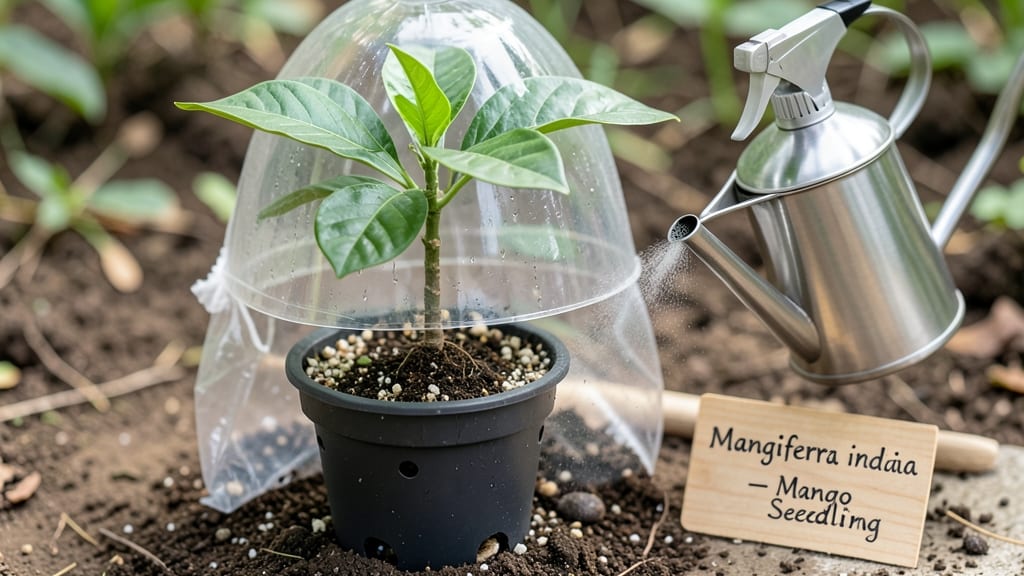
Growing a mango tree from a mango seed growth starts with extracting that pit without twisting it into oblivion. 🌱 I’ve cracked open dozens of mango seeds, and the key to germination lies in how you handle that first step—because a crushed seed means no tree.
The process is simple once you know the trick: let the seed dry slightly before removing the shell, then soak it overnight to soften the flesh for easy extraction.
Once you’ve got your seed, germination takes patience—sometimes 3-6 weeks of waiting for that first crack in the shell. I’ve learned to keep seeds in a warm, moist paper towel, checking daily for signs of life.
The real test comes when you notice roots peeking out, which means it’s time to plant in a small pot with well-draining soil. This stage is where most people rush and end up with weak seedlings.
By the time your seedling reaches 6 inches tall, it’s ready for its first outdoor adventure—hardening off in sunlight for a few hours a day. The transition to permanent planting should wait until spring, when temperatures stay above 50°F at night.
Mango trees grow slowly, but with consistent care, you’ll see lush foliage within a year, and maybe—just maybe—your first flowers by year five.
Here’s the thing about mango seeds: they’re unpredictable. Some grow into strong trees, others never make it past the seedling stage. But that’s part of the fun—each twist-free extraction is a chance to grow something uniquely yours.
The payoff? A tropical tree thriving in your yard, even if it takes a decade to bear fruit.
📚 In This Guide
- What you need
- Instructions
- Tips and common mistakes
- Wrapping up and next steps
What you need
- ● Ready to grow your own mango tree from a seed? Here’s what you’ll need to get started—no fancy tools required, just a few essentials and a dash of patience! 🌱
- ● Pro tip: 💡 If your mango seed is too dry, soak it in water for 24 hours before wrapping—it’ll germinate faster!
Step-by-Step instructions for growing mango trees from seed
Here's how to coax a mango seed into a thriving young tree—without the frustration of twisting or damaging it.
🌱 Step 1: Extract and Clean the Seed
Start with a fresh, plump mango seed—never dried or shriveled. I like to cut the fruit open carefully with a sharp knife, avoiding the seed's sides to prevent cracks. Once exposed, gently twist the seed free, but don't force it. The seed's outer shell is tough, and forcing it can split the seed, killing the embryo inside.
Rinse the seed under cool water to remove any fruit residue, then let it air-dry for 24 hours on a paper towel. You'll know it's ready when the outer shell feels slightly rough to the touch. Never soak the seed—excess moisture speeds up rotting before germination begins.
💧 Step 2: Stratify for Germination
Mango seeds need a warm, moist environment to break dormancy. Place the dried seed in a small plastic bag with a damp paper towel—just enough moisture to keep it damp, not soggy. Seal the bag loosely (a tiny opening helps prevent mold) and store it in a warm spot, like near your fridge's bottom shelf, where temperatures hover around 75-80°F.
Check the seed daily for 7-14 days. You'll see a tiny root emerge first—this is your signal to stop waiting. Once the root reaches about 1 inch, it's time to plant. If mold appears, open the bag and let it dry out for a few hours before resealing.
☀️ Step 3: Plant in a Light, Well-Draining Mix
Fill a 4-inch pot with a mix of 50% potting soil and 50% perlite—this keeps roots aerated and prevents rot. Plant the seed 1 inch deep, with the root pointing downward. Press the soil gently around the seed, but don’t compact it too tightly. Water lightly until the soil feels evenly moist, but not wet.
Place the pot in bright, indirect light—direct sun can scorch the delicate seedling. A south-facing window with sheer curtains works well. You'll see the first true leaves in 4-6 weeks, but be patient if germination takes longer. Some seeds need extra time, especially if the mango was underripe when harvested.
🌿 Step 4: Care for the Seedling's First Year
Once the seedling reaches 6 inches tall, transplant it into a 6-inch pot with fresh potting mix. Mango seedlings grow fast, so upgrade to a 1-gallon container by the end of its first year. Water when the top inch of soil feels dry, but avoid letting the soil stay soggy—root rot is the #1 killer of young mango trees.
Rotate the pot a quarter turn weekly so the seedling grows straight, not leaning toward the light. By winter, your seedling should have 4-6 true leaves. If it grows slowly, supplement with a balanced fertilizer (10-10-10) diluted to half strength every 4 weeks starting in spring.
Tips & tricks for growing mango trees from seed
Here's what I wish I knew before starting my first mango seedling—these tricks will help you avoid common pitfalls and set your little tree up for success.
Seed Selection Matters: Choose seeds from fully ripe mangoes—those with vibrant color and sweet aroma. I've found that seeds from organic mangoes often germinate faster, possibly because they're less likely to have been treated with preservatives that might inhibit growth. If you're using store-bought mangoes, pick ones that feel heavy for their size, as this usually indicates ripeness and a healthier seed.
Gentle Handling in Step 1: When extracting the seed in Step 1, use a butter knife or spoon to carefully pry it free rather than twisting. I learned this the hard way after cracking three seeds trying to force them out. The seed's outer shell is surprisingly delicate—think of it like handling a raw egg. Once you've freed it, tap the sides gently against your palm to remove any remaining fruit pulp before rinsing.
Stratification Secrets: During the 7-14 day stratification in Step 2, I've found that placing the bag near a sunny window (but not in direct sunlight) helps maintain that perfect 75-80°F range without needing a heat mat. If your kitchen runs cool, you can speed up germination by placing the bag on top of your refrigerator for a few hours each day. The key is consistency—fluctuating temperatures can confuse the seed and delay sprouting. And remember, that tiny opening in the bag is crucial for preventing mold while still maintaining humidity.
Lighting Tips for Step 3: For the bright, indirect light in Step 3, I recommend using a grow light if your natural light is insufficient. A simple LED grow bulb placed 6-12 inches above the seedling works wonders. If you don't have a grow light, rotate your seedling daily to ensure even growth. Watch for leaves that look pale or stretched—these are signs your seedling needs more light. And here's a pro trick: Place your seedling near a window with sheer curtains during the day, then move it to a slightly brighter spot in the evening to mimic natural light cycles.
Pro Tips for Mango Seed Growth
- Here's what I wish I knew before starting my first mango seedling—these tricks will help you avoid common pitfalls an...
- Seed Selection Matters: Choose seeds from fully ripe mangoes—those with vibrant color and sweet aroma. I've found tha...
- Gentle Handling in Step 1: When extracting the seed in Step 1, use a butter knife or spoon to carefully pry it free r...
Frequently asked questions
Got questions about growing mango seeds? You’re not alone—this process can be tricky, but with the right know-how, you’ll be sprouting a tree in no time! Here are some of the most common queries (and answers) to help you navigate mango seed growth like a pro.
How long does it take for a mango seed to germinate?
A mango seed typically takes 2–4 weeks to sprout under ideal conditions (warmth, moisture, and indirect light). Some seeds germinate faster, while others may take up to 6 weeks. Patience is key—keep the soil consistently damp (not soggy) and monitor for tiny shoots!
Can I speed up germination?
Yes! To boost germination, try these tricks:
- Soak the seed in warm water for 24 hours before planting.
- Use a heating mat (70–85°F) to mimic tropical warmth.
- Plant in a well-draining mix (peat moss + perlite) to prevent rot.
- Cover the pot with a plastic wrap to retain humidity (remove once sprouts appear).
What if my mango seed won’t sprout?
Don’t give up! Try these troubleshooting steps:
- Check for viability: Squeeze the seed—if it’s hard and firm, it’s likely good. A mushy or hollow seed won’t sprout.
- Adjust temperature: Mango seeds thrive in warmth (above 60°F). Move your pot to a sunnier spot or use a seedling heat mat.
- Test for fungus: If mold appears, repot in fresh, sterile soil and reduce watering.
- Try stratification: Some seeds benefit from a short cold period (4–6 weeks in the fridge) before replanting.
How big should my mango seedling get before transplanting?
Wait until your seedling has 3–4 true leaves (not the initial seed leaves) and is at least 6–8 inches tall before moving it outdoors. Harden it off gradually by placing it in partial shade for 1–2 weeks to avoid shock. Choose a permanent spot with full sun and well-draining soil—mango trees hate soggy roots!
Can I grow a mango tree from a seed in a cold climate?
Mango trees are tropical and struggle in cold climates (below 20°F). If you live in a chilly zone, try these workarounds:
- Grow it as a houseplant in a pot and bring it indoors during winter.
- Plant it near a sunny wall or use a greenhouse for extra warmth.
- Choose cold-hardy varieties like ‘Julie’ or ‘Ice Cream’ (though they’re rare).
Wrapping up and next steps
Growing a mango tree from seed is a rewarding journey that combines patience, care, and a little creativity! By mastering the twist-free extraction method and following proper germination techniques, you’re not just planting a seed—you’re nurturing the potential for a thriving fruit tree.
Whether you’re dreaming of a backyard orchard or simply love the magic of watching life grow, this process is your first step toward success. 🌱
Ready to take the next step? Start by selecting a healthy mango seed, gathering your supplies, and giving your new sapling the love it deserves. Your future shady oasis—and maybe even homegrown mangoes—begins with that first twist-free twist! 🌳✨