
Planting
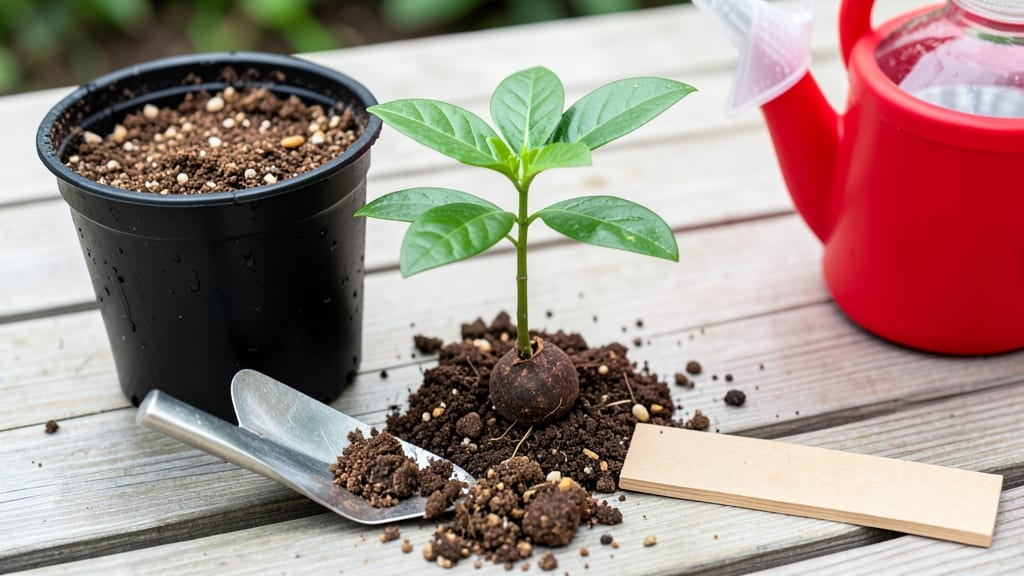
Planting a mango seed in soil unlocks a tropical adventure right on your windowsill. 🌱 The secret to 6-week germination starts with the right soil mix—sandy loam with perlite to prevent rot—and a warm spot that mimics the seed’s tropical roots.
I’ve tried this with grocery-store seeds, and patience pays off when those first leaves push through. You’ll need a small pot (at least 6 inches deep), a seed that’s slightly cracked for moisture access, and a spray bottle to keep soil damp—not soggy.
Too much water turns seeds to mush; too little stalls growth. A heat mat set to 75°F speeds things up, but even without one, seeds can break dormancy in 4-8 weeks if you’re consistent. Once sprouted, your seedling will crave bright, indirect light—think east-facing window or grow light.
Yellowing leaves mean it’s too cold or thirsty; brown spots signal overwatering. With time, you’ll nurture a tree that could one day bear fruit, though it’ll take years. The journey is the reward. For cooler climates, keep it indoors year-round.
Tropical plants like mangoes need warmth, and a sunny windowsill is their best friend. Here’s how to give it the care it deserves.
📚 In This Guide
- What you need
- Instructions
- Tips and common mistakes
- Wrapping up and next steps
What you need
- ● Mango seed: 1 fresh, healthy seed (preferably from a ripe, organic mango). Pro tip: 💡 Avoid seeds from hybrid or grafted mangoes—they may not produce true-to-type fruit!
- ● Potting soil: 2–3 cups of well-draining, sterile potting mix (look for a blend labeled for seedlings or citrus/succulents).
- ○ Small pots or seed trays: 1–2 containers (3–4 inches deep) with drainage holes. Optional: Biodegradable pots for easy transplanting later!
- ● Plastic wrap or clear lid: 1 sheet to create a humidity dome (or a plastic bag with holes).
- ● Spray bottle: 1 for gentle watering (avoid drowning the seed!).
- ○ Fertilizer (optional): A pinch of balanced, water-soluble fertilizer (5-5-5 or 10-10-10) for the first feeding after sprouting.
- ○ Warmth: A sunny windowsill (70–85°F) or a seedling heat mat (optional but helpful).
- ● Humidity: High humidity (60–70%) to prevent drying. Pro tip: 🌡️ Mist the soil lightly daily!
- ● Light: Bright, indirect light (direct sun can scorch young seedlings).
- ● Patience! Germination can take 4–6 weeks (sometimes longer).
- ● A dedicated space for the seedling to grow for at least 1–2 years before transplanting outdoors (if in a warm climate).
Step-by-step instructions for planting mango seeds in soil
Here's how to get your mango seed sprouting strong and ready for transplanting in just six weeks.
🌱 Step 1: Extract and Prepare the Seed
Start with a fresh, plump mango seed—it should feel heavy for its size, indicating good moisture content. I like to peel away the hard outer shell by gently tapping it with a hammer or rolling it under my foot until it cracks open. The inner seed has a hard brown coat that needs softening before planting.
Place the seed in a bowl of warm water for 24 hours—this softens the outer coating and speeds up germination. You'll know it's ready when the water turns slightly cloudy and the seed feels noticeably softer to the touch. Real talk: don't skip this soak, or your seed might take weeks longer to sprout.
💧 Step 2: Choose the Right Container and Soil
Use a small pot or plastic cup with drainage holes—about 4 inches deep is perfect for one seed. I prefer biodegradable pots because they let me transplant seedlings without disturbing roots later. Fill it with a mix of 50% potting soil and 50% perlite to ensure good drainage and aeration.
Moisten the soil until it's damp but not soggy—think of a wrung-out sponge. Press the seed about 1 inch deep into the soil, with the pointed end facing down. This ensures the seedling emerges straight and strong. Cover the pot loosely with plastic wrap to retain moisture while keeping it breathable.
☀️ Step 3: Provide Warmth and Light
Mango seeds need warmth to germinate—place the pot in a spot with 75-85°F soil temperature. A seedling heat mat works wonders, or you can set the pot on top of your refrigerator. Keep the soil consistently moist but never waterlogged; you'll see condensation on the plastic wrap, which is normal.
Germination can take 2-4 weeks, so patience is key. Once the first true leaves appear (not the initial seed leaves), remove the plastic wrap immediately. Move the seedling to a bright spot with indirect sunlight—direct sun at this stage can scorch the delicate new growth. You'll know it's thriving when the leaves stay vibrant and firm to the touch.
🌿 Step 4: Care for the Seedling Through Early Growth
Water the seedling when the top inch of soil feels dry—this usually means every 3-4 days, but adjust based on your home's humidity. Use room-temperature water to avoid shocking the roots. Fertilize lightly with a balanced liquid fertilizer (like 10-10-10) once the seedling has 4-5 true leaves, diluted to half strength.
Watch for leggy growth—a sign the seedling isn't getting enough light. If the stem stretches tall and thin, move it closer to the light source or add a grow light. Strong seedlings have thick stems and dark green leaves spaced closely together. This is the moment that matters: proper light now sets the stage for a healthy tree later.
⏰ Step 5: Prepare for Transplanting
After 6-8 weeks, your seedling should be 6-8 inches tall with a sturdy stem. Harden it off by placing it outside in a shaded area for 1-2 hours the first day, gradually increasing time over 10-14 days. This helps it adjust to outdoor conditions without shock.
Choose a permanent spot with full sun and well-draining soil. Transplant on an overcast day to reduce stress, and water deeply right after planting. Don't move it again for a week—this gives the roots time to establish before facing more changes. Here's the thing: mango trees grow slowly, so give it time to settle in before expecting fruit.
Tips & tricks for planting mango seeds in soil
Between us, these little tricks will help you avoid the common pitfalls that turn hopeful gardeners into frustrated plant parents.
The Soak Secret: That 24-hour soak isn't just about softening the seed—it's also a quick test for viability. If your water stays crystal clear after 24 hours, your seed might not sprout. Cloudy water means business! I've had seeds that floated after 24 hours, and they never germinated. Discard those immediately to save yourself weeks of waiting.
Container Wisdom: While 4-inch pots work perfectly, don't overlook repurposed items from your kitchen. Clean yogurt cups with drainage holes (poke them with a hot nail!) make excellent temporary homes. Just make sure whatever you use has drainage—waterlogged seeds rot faster than they sprout.
Germination Timing: The 2-4 week germination window can feel like an eternity, but there are ways to speed things up. Place your pot in a warm, dark spot (like on top of your fridge) for the first week. Once you see a tiny crack in the seed, move it to light immediately. This two-phase approach can shave off valuable days from your waiting period.
Light Transition: When moving your seedling from plastic wrap to indirect sunlight in Step 3, do it gradually over 2-3 days. Start with just 1 hour of light per day, then increase by 30 minutes daily. This prevents the delicate new leaves from getting sunburned—something that's happened to me more times than I'd like to admit.
Pro Tips for Plant Mango Seed In Soil
- Between us, these little tricks will help you avoid the common pitfalls that turn hopeful gardeners into frustrated p...
- The Soak Secret: That 24-hour soak isn't just about softening the seed—it's also a quick test for viability. If your ...
- Container Wisdom: While 4-inch pots work perfectly, don't overlook repurposed items from your kitchen. Clean yogurt c...
Frequently asked questions
Got questions about growing a mango tree from seed? You’re not alone! Here are answers to the most common queries to help you succeed—no guesswork required.
How long does it take for a mango seed to sprout?
A mango seed typically sprouts within 2 to 6 weeks if planted correctly. Keep the soil moist (not soggy) and warm (70–80°F), and you’ll see a tiny shoot emerge in about a month. Patience is key—some seeds take longer, especially if the fruit was harvested late in the season.
Can I plant a mango seed in winter?
Yes, but with caution! Mango seeds germinate best in warm soil (60°F+). If your climate dips below 50°F, start seeds indoors near a sunny window or use a heat mat. Outdoor planting in winter risks slow growth or rot—wait until spring for optimal results.
What if my seed rots instead of sprouting?
Rotting usually means too much moisture or poor drainage. Let the seed dry slightly between waterings, and use a pot with drainage holes. If mold appears, repot in fresh, sterile soil and reduce water. Pro tip: Soak the seed for 24 hours before planting to speed up germination without over-saturating.
Will a mango tree grown from seed produce fruit?
Yes, but it may take 5–10 years (or longer) and the fruit won’t match the parent tree’s quality. Seedlings are unpredictable—expect variations in taste, size, and even color! For consistent fruit, graft a known variety onto your seedling later.
Can I plant a mango seed in a pot instead of the ground?
Pots are ideal for seedlings. Use a 5–7 inch container with well-draining soil (mix potting soil with perlite). Move it outdoors once temperatures rise, then transplant to the ground after 6–12 months. Just ensure the pot has drainage holes to prevent root rot.
Wrapping up and next steps
Planting a mango seed is a rewarding journey that connects you to nature while growing a potential fruit tree! 🌱 With the right soil, patience, and care, you can nurture a seedling ready for transplantation in just 6 weeks.
Remember, consistency is key—keep your seedling hydrated, protected, and in a warm spot to encourage healthy growth.
Now that you’re equipped with the know-how, why not take the next step? Grab your supplies, pick a sunny spot, and start your mango-growing adventure today. Who knows? You might just be cultivating the future of your own backyard orchard! 🌳✨